
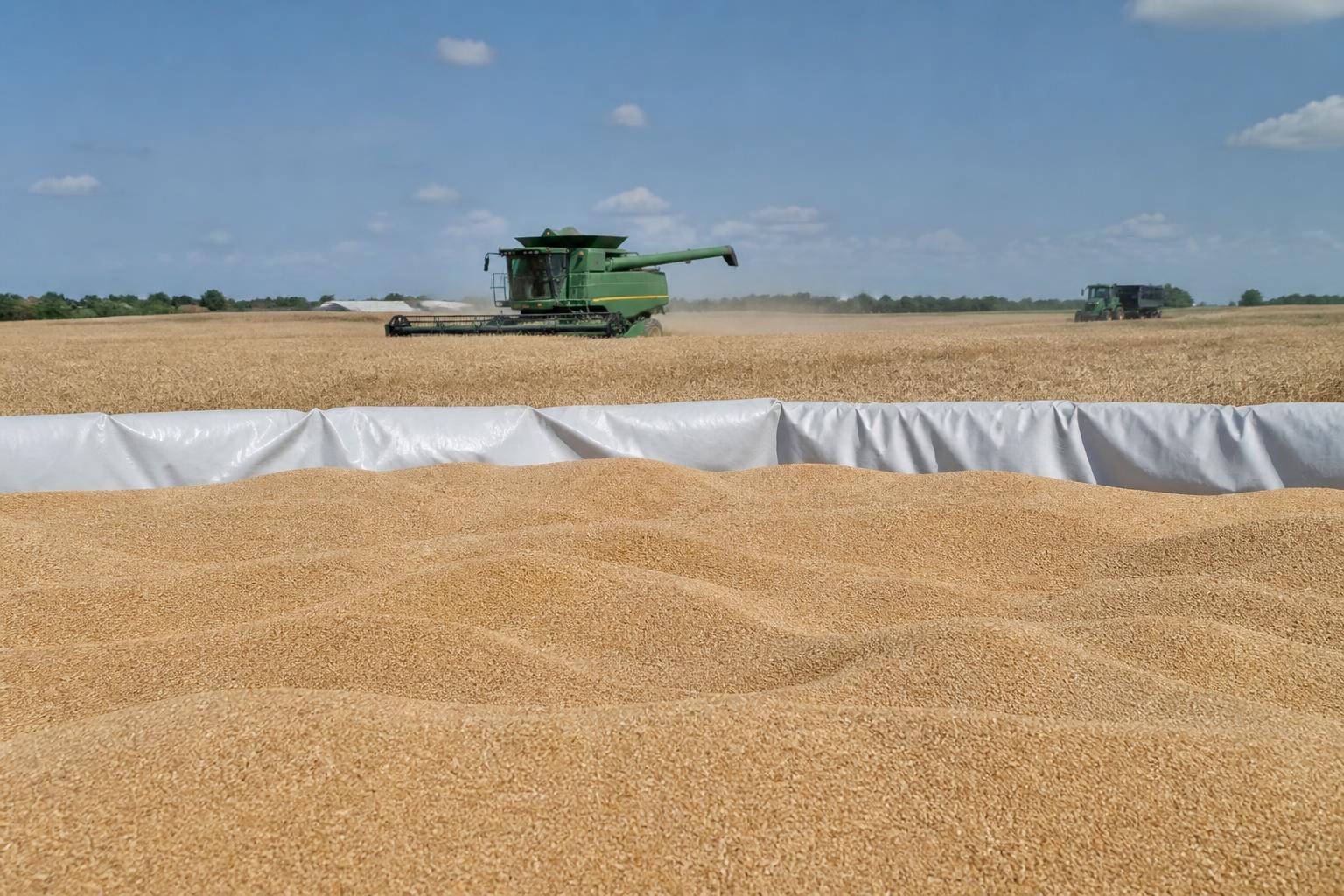
As the Kansas summer harvest gains momentum, local producers are keeping a sharp eye on both crop quality and the logistical machinery that keeps grain moving from field to elevator. With the summer harvest cycle reaching its peak, the ability to maintain flow across state corridors remains a priority for operators navigating typical seasonal transit pressures.
Refining Crop Quality and Market Standards
The commitment to high-quality output continues to define the strategy for many Kansas growers. Industry groups are emphasizing the role of sound management practices in maintaining the competitive edge of hard red winter wheat in both domestic and international markets. This focus is particularly vital as producers look for ways to boost profitability while navigating broader pressures on the agricultural supply chain.
Industry Adaptation and Technological Growth
Innovation remains a steady theme across the plains. Recent investments in precision technology, such as the scaling of advanced sprayer assembly, highlight a broader industry trend toward maximizing input efficiency. Simultaneously, the formation of collaborative alliances, like the newly established soil health initiatives, underscores a statewide effort to build long-term system resilience. These developments occur alongside organizational leadership transitions within major industry groups, signaling a period of strategic continuity for Kansas agriculture.
What it means for the market
For grain handlers and input buyers, the current environment demands agility. While seasonal logistics often present challenges, a focus on regional data and infrastructure updates can help mitigate bottlenecks. Farmers and agribusinesses are encouraged to stay connected with local storage and transit indicators to better navigate the remainder of the summer season, ensuring that high-quality harvests reach their intended markets without unnecessary delay.
Comments
No comments yet - be the first to share your take.