
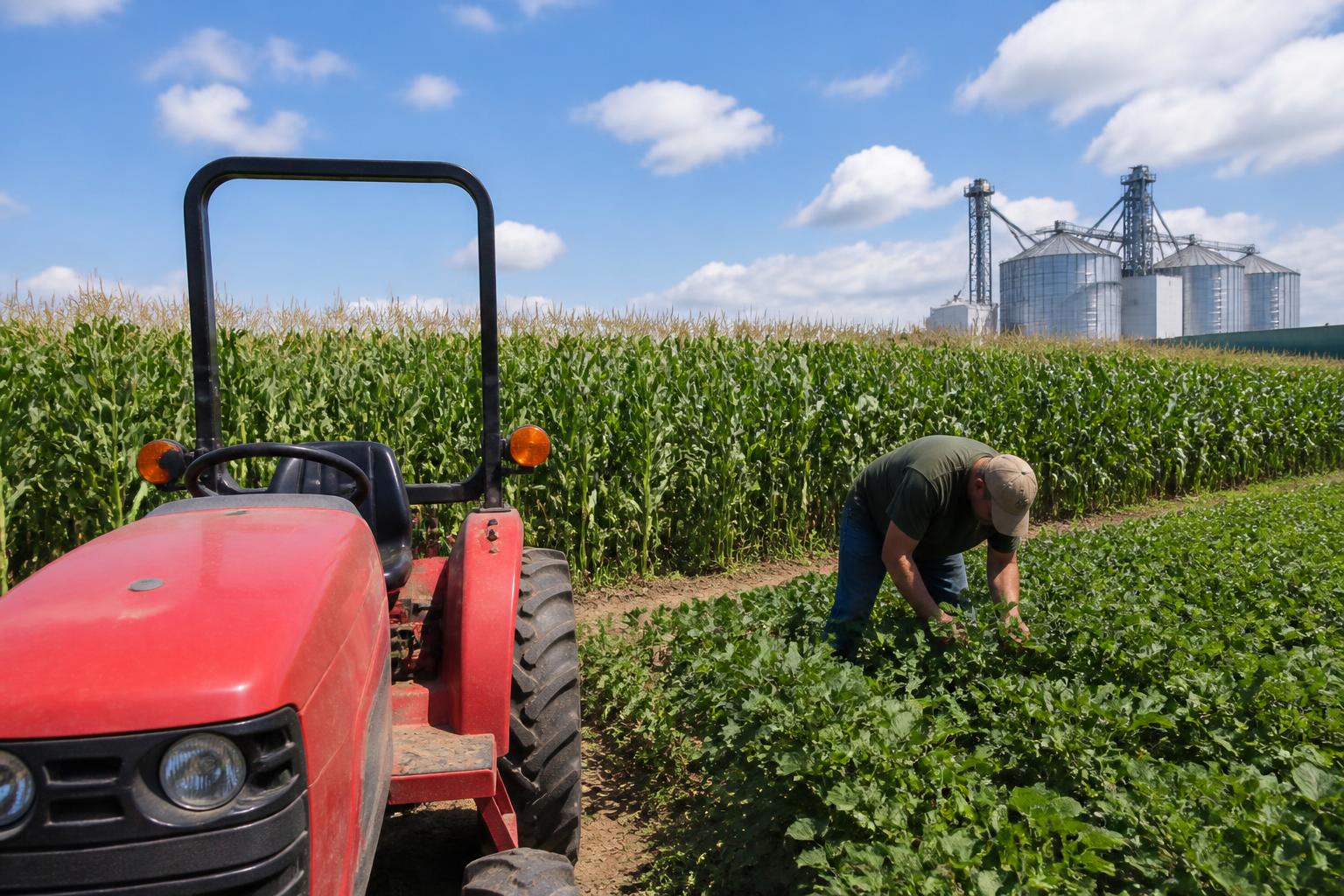
Mid-summer in Virginia brings a unique set of challenges and opportunities for the state's diverse agricultural sector. As field operations for row crops and specialty commodities continue, the focus remains on nutrient efficiency and long-term infrastructure investment. While optimizing fertilizer strategies remains a primary concern for many growers facing persistent input costs, the broader supply chain is seeing significant development in how products are moved and exported.
Infrastructure and Logistics Evolution
The recent ground-breaking of a new agricultural export facility in Portsmouth underscores a strategic pivot toward enhancing the state's capacity to handle grain and associated commodities. For regional fertilizer distributors and grain handlers, this growth signifies a potential shift in how inputs and outputs move through the Tidewater region. Improved terminal capacity often correlates with more streamlined logistics, which can, in some instances, provide a buffer against the volatility typically associated with high transport costs and seasonal bottlenecks.
Refining Nutrient Management
As growers refine their crop nutrition programs, the focus on balancing productivity with sustainable practices has become a hallmark of modern Virginia farming. Many are exploring climate-smart nutrient solutions that offer better stability and efficacy in varying soil conditions. This shift is increasingly important as operations adapt to regional environmental guidelines, such as those discussed in recent nutrient management initiatives that aim to harmonize local manure regulations with broader production goals.
What it means for the market
The takeaway for Virginia agribusinesses is clear: efficiency is the best hedge against uncertainty. Whether it is through the adoption of more stable biologicals or by leveraging new export infrastructure to optimize local supply chains, stakeholders who prioritize flexibility in their procurement and application strategies are better positioned to weather the fluctuations in the current market environment. As summer operations continue, monitoring regional transport developments and advancements in nutrient technology will be essential for keeping margins intact.
Comments
No comments yet - be the first to share your take.