
Managing Field Pressures During the Summer Peak
As we move through the heart of July, Connecticut producers are finding that effective crop management requires a multi-faceted approach. With the summer heat placing extra stress on sensitive varieties, many specialty farmers are adapting their harvest schedules and utilizing protective techniques to ensure yield quality. Maintaining crop resilience in these conditions often involves careful monitoring of microclimates within fields to prevent heat-related losses, as detailed in recent strategies for protecting Connecticut orchards.
Addressing Invasive and Wildlife Challenges
Beyond traditional weather-related concerns, Connecticut agribusinesses are grappling with rising biological pressures. Research is ongoing at the academic level to curb the spread of invasive plant species, with scientists now developing sterile varieties to limit environmental encroachment. Simultaneously, local producers are reporting increased interactions with wildlife, particularly black bears, which can disrupt standard operations and damage infrastructure. Implementing robust deterrents and proactive site management remains a priority for those working in more rural, forested areas of the state.
Market Context and Operational Efficiency
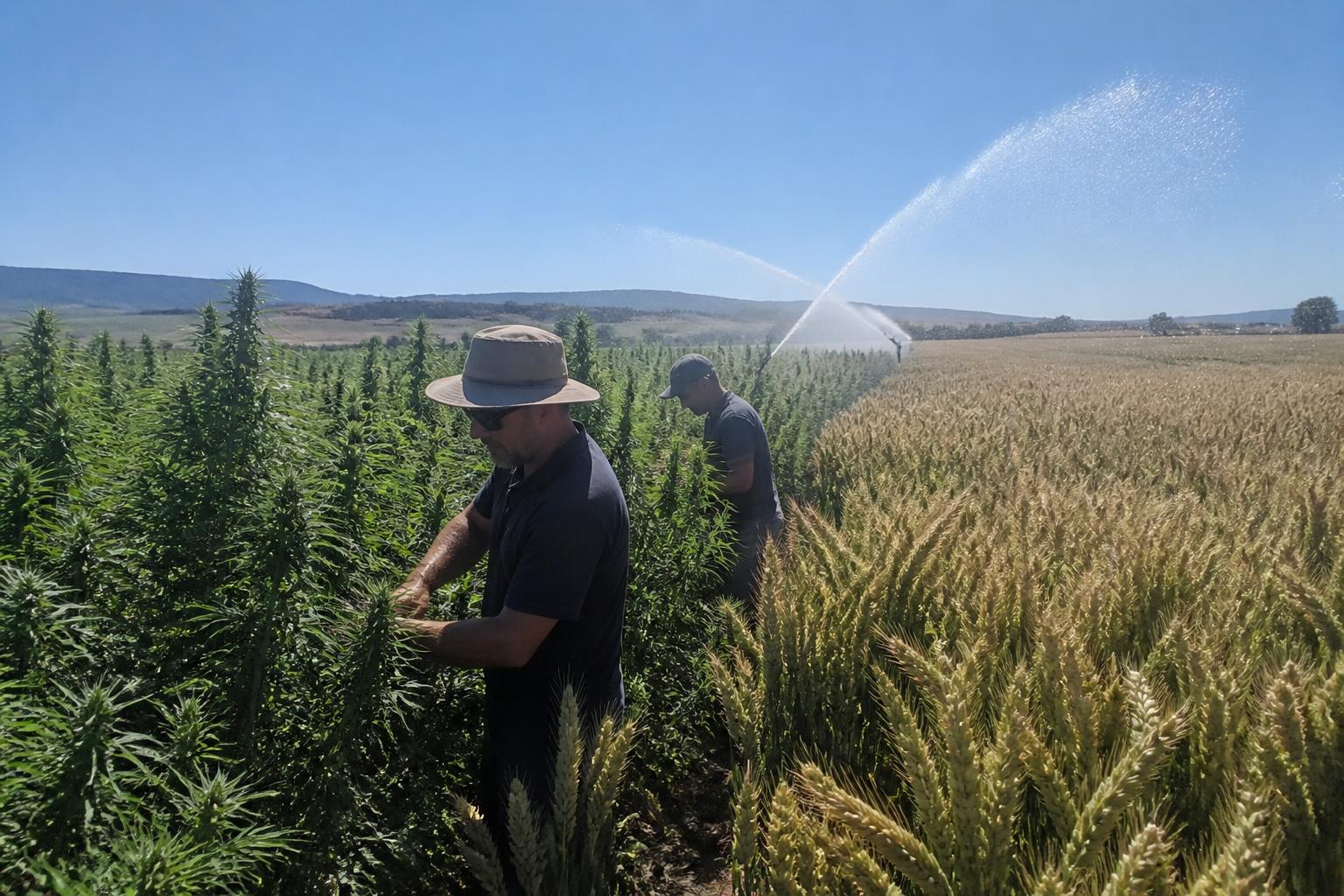
While the broader commodity landscape shows some price sensitivity, such as recent fluctuations in wheat values, Connecticut's specialized producers are more focused on local supply chains and input costs. Whether navigating rising input costs or analyzing the viability of emerging sectors like hemp, efficient resource allocation remains the key to profitability. For those managing inventory or transport, staying informed on mid-July grain market shifts can help buffer against regional logistics bottlenecks.
What it means for the market
For Connecticut farmers and handlers, the current season emphasizes a need for flexibility. The convergence of climate-driven heat management, proactive wildlife mitigation, and careful cost control defines the present operational reality. By prioritizing site security and monitoring local market signals, producers can better protect their margins against the unpredictable challenges of the summer season.
Comments
No comments yet - be the first to share your take.