
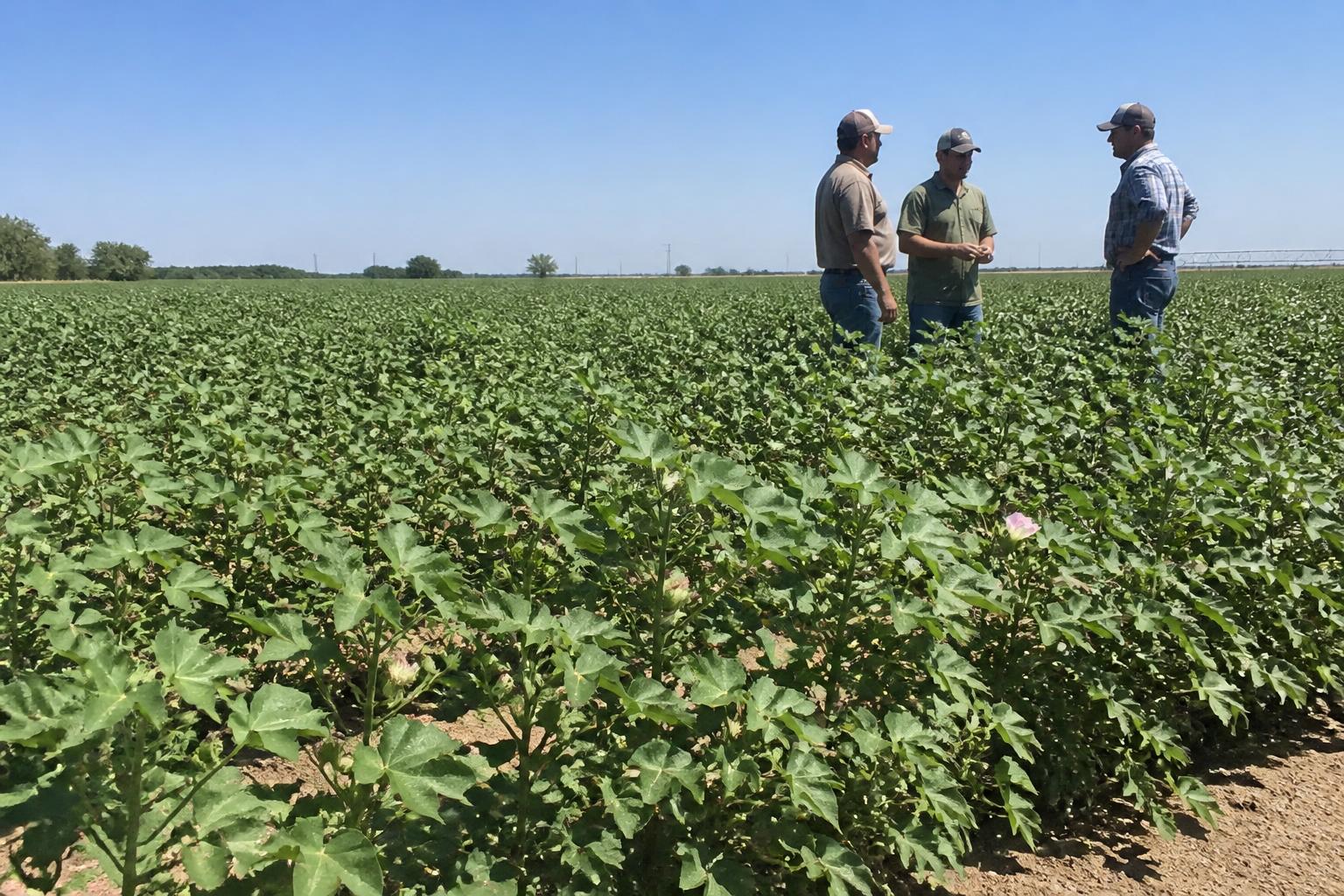
Texas farmers and agribusinesses are currently navigating a complex summer period defined by persistent logistical challenges and significant cost pressures. From the rolling fields of the Panhandle to the specialized production corridors in South Texas, the focus for many remains on balancing essential input requirements with the unpredictable nature of regional supply chains.
As operations continue through the summer months, understanding the broader landscape of seasonal risks and logistical hurdles is increasingly essential. Managing these variables effectively requires a proactive approach to procurement and labor management, particularly as global and regional supply chain conditions fluctuate throughout the season.
Managing Input Volatility
Recent shifts in the fertilizer market have drawn sharp attention from producers across the state. Sharp increases in raw material costs often ripple through local supply chains, placing additional strain on farm-level budgets. For many Texas growers, planning for these elevated expenses has become a permanent feature of seasonal strategy. Maintaining tight inventory control and working closely with local distributors can sometimes help mitigate the impact of sudden price volatility.
Labor and Operational Constraints
Labor availability continues to be a persistent theme for Texas producers, especially during critical planting or maintenance phases. Delays in the H-2A visa process often complicate scheduling, forcing many operations to adapt their timelines. These administrative bottlenecks can result in cascading effects, impacting everything from planting precision to post-harvest handling. Engaging with labor contractors early and maintaining flexibility in operational plans remains a standard recommendation for those looking to stay ahead of potential shortfalls.
Looking Ahead
While the state faces diverse conditions, regional resilience remains a hallmark of Texas agriculture. Whether addressing localized drought impacts or the broader systemic pressures of the global input market, the ability to pivot and integrate data-driven decision-making serves as a critical defense against uncertainty. Agribusinesses that prioritize clear communication with their logistics partners and maintain rigorous oversight of their operational inputs are better positioned to weather the current market environment.
What it means for the market: For Texas producers and grain handlers, the current environment necessitates a conservative approach to capital allocation and a renewed focus on logistical efficiency. Anticipating potential delays in both the arrival of essential inputs and the movement of goods is critical for maintaining margins during this period of price sensitivity.
Comments
No comments yet - be the first to share your take.