
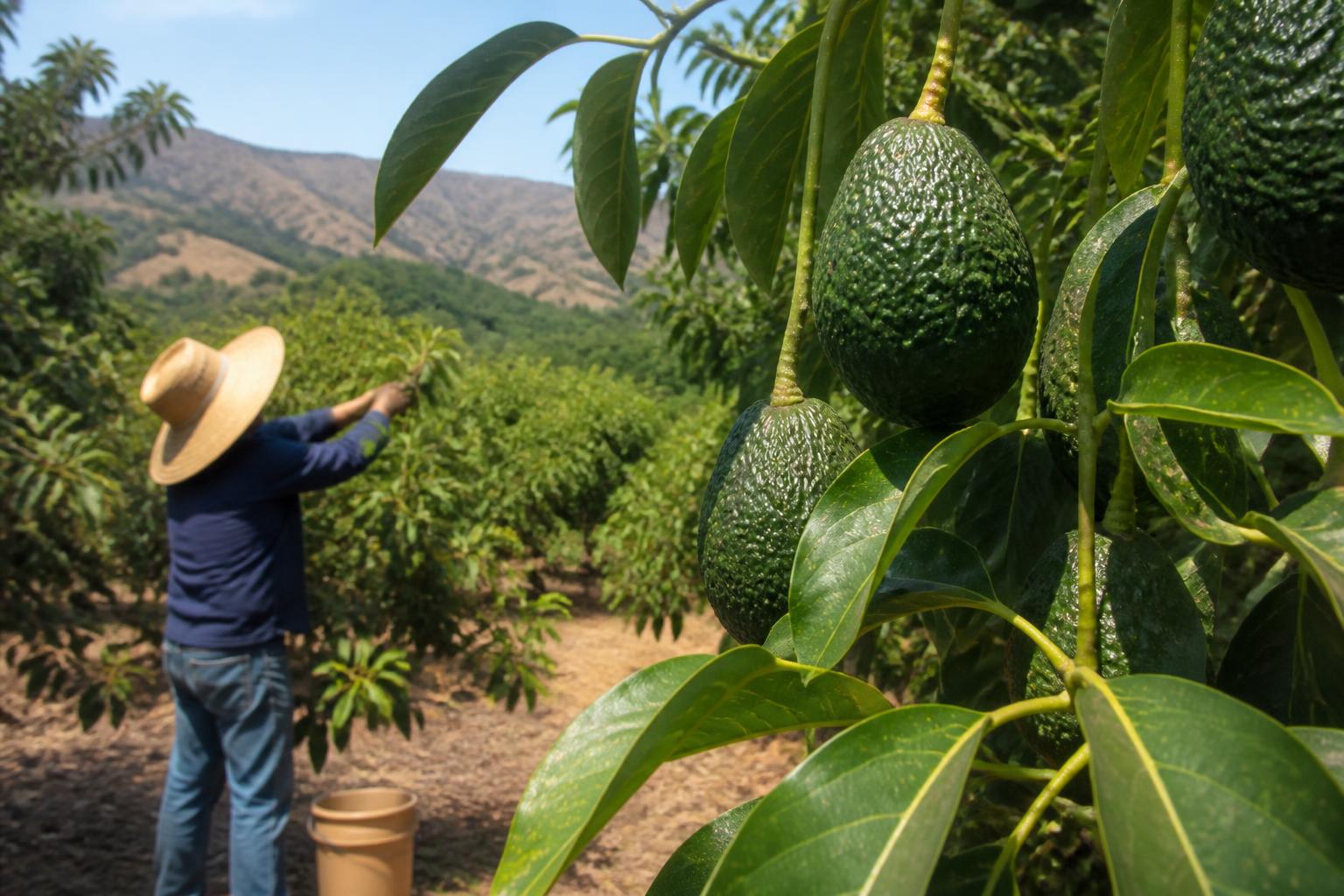
Mid-summer in California brings a period of intense activity, as growers across the state contend with the dual pressures of peak-season crop care and the logistical demands of moving diverse yields to market. For many, this season is characterized by a persistent need to balance effective crop protection strategies with increasing regulatory scrutiny and the practical realities of infrastructure limitations.
The Evolving Landscape of Crop Protection
Managing pests and disease remains a cornerstone of successful production, particularly in high-value specialty crops. As growers evaluate their current crop protection strategies, the focus has shifted toward integrated systems that address both safety and efficacy. Whether in the Central Valley or coastal growing regions, the goal is to maintain yield quality while navigating the shifting compliance landscape that defines modern California agriculture.
Logistics and Market Connectivity
Transporting goods across state corridors remains a vital concern for grain handlers and specialty crop exporters. The reliance on efficient transit, from local farm-to-elevator hauls to broader distribution networks, continues to be a bottleneck during the peak summer months. Addressing these harvest logistics challenges requires ongoing vigilance, particularly as weather-related events and infrastructure gaps continue to test the resiliency of supply chains.
What it means for the market
For agribusinesses and producers, the current environment demands a proactive approach. Between navigating federal oversight and addressing the physical realities of the field, the market outlook for the remainder of the summer hinges on the ability to remain flexible. Success will likely depend on strong communication between logistics providers and farm operators, ensuring that inputs are managed carefully and harvests move with minimal disruption to meet buyer demand.
Comments
No comments yet - be the first to share your take.