
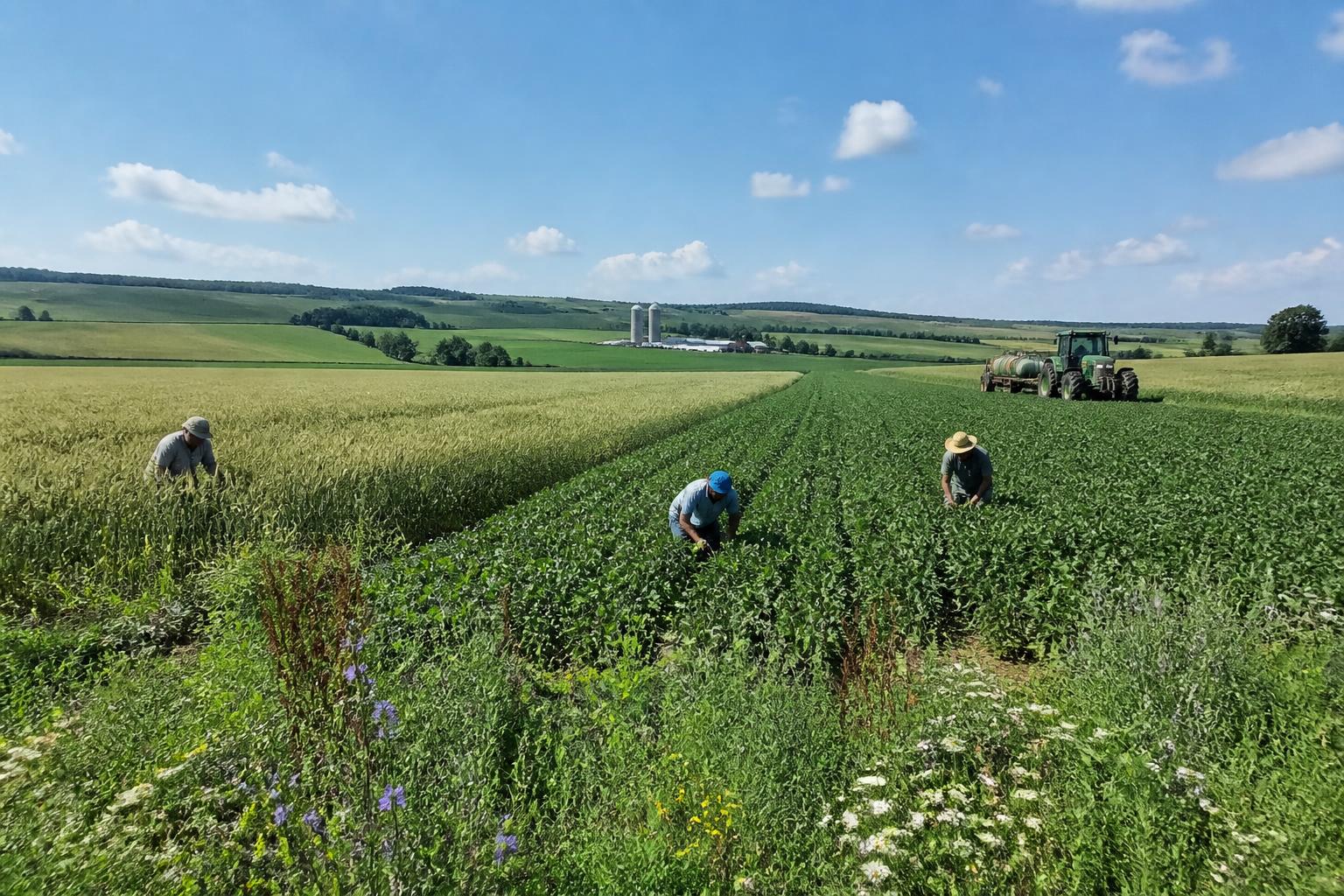
Maine agriculture is currently at a crossroads as producers manage the dual pressures of environmental compliance and unpredictable climate patterns. For farmers across the state, the focus remains on maintaining soil integrity and production standards while responding to evolving state mandates regarding chemical inputs. As mitigating PFAS risks and protecting soil health become central to long-term operational strategies, producers are increasingly cautious about the products they integrate into their seasonal soil management programs.
Adapting to Regulatory Shifts
Regulatory activity targeting contaminants in fertilizers and pesticides has prompted a significant evaluation of input sourcing. With state regulators moving to restrict certain compounds in materials used on farms, businesses must stay proactive in verifying the safety and compliance of their soil amendments. This shift is not merely administrative; it directly impacts the longevity of land usage and the ability to maintain certification for organic or premium markets.
Operational Resilience in a Volatile Climate
Beyond inputs, Maine producers are contending with extreme weather, which continues to disrupt harvest schedules and local supply chains. When weather events impact yield quality, it creates a ripple effect that extends from regional elevators and processing facilities to the local restaurant trade. While navigating Maine grain markets requires constant vigilance, the ability to pivot production practices in response to environmental stressors has become a necessary skill for the survival of historic family farms.
What it means for the market
For agribusinesses and carriers, the takeaway is clear: reliability and transparency are at a premium. As farmers consolidate their management strategies to cope with tighter input regulations and climate-related operational hurdles, those in the supply chain who can provide documented, high-quality, and compliant resources will be best positioned to support the sector through this transition. Staying informed on regional policy changes and maintaining flexible logistics will be essential for navigating the current season successfully.
Comments
No comments yet - be the first to share your take.