
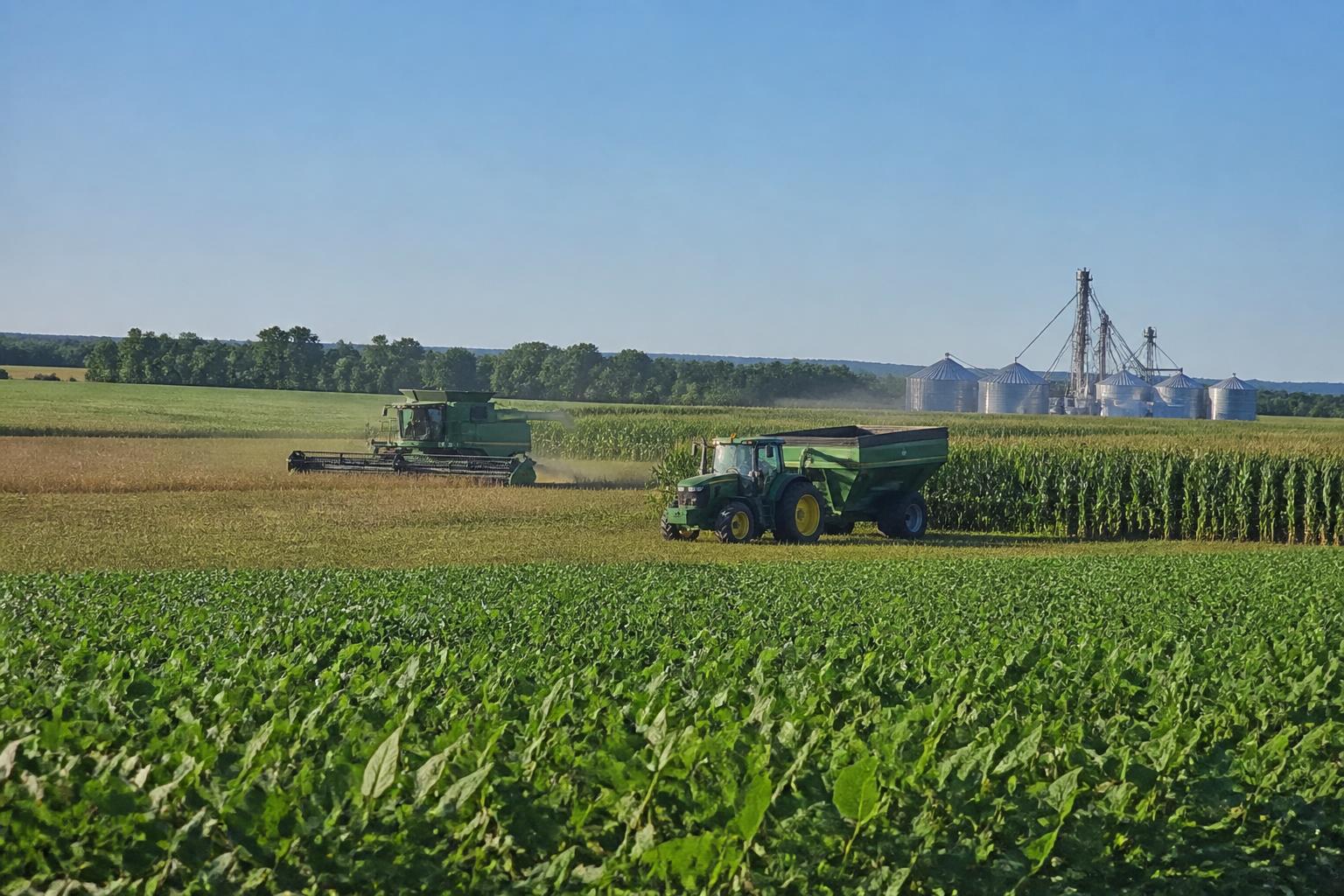
Mid-summer in Arkansas is defined by intense field activity and the steady movement of commodities toward critical transit points. For farmers and grain handlers across the Delta and beyond, the current season represents a pivotal window for managing existing crop inventories and preparing for future logistical throughput. As the state remains a vital hub for regional agriculture, keeping a close eye on the efficiency of river corridors and road transport is essential to maintaining competitive margins.
Aligning Trade with Infrastructure
Recent developments in international trade, including multi-billion dollar procurement commitments for corn and soybeans, have placed a renewed spotlight on the resilience of the Arkansas supply chain. Ensuring that regional grain elevators and storage facilities are adequately prepared to meet these delivery timelines is a top priority for agribusinesses. This logistical orchestration often requires careful coordination with barge and rail operators to mitigate bottlenecks, particularly when water levels fluctuate across the Mississippi River system.
Policy Impacts on Local Markets
Beyond the immediate physical movement of goods, the broader regulatory environment continues to shape the economic outlook for Arkansas producers. Discussions surrounding federal farm bill drafts are being closely monitored, as potential shifts in support mechanisms could influence planting decisions and input investments for the next cycle. Strengthening the connection between local grain handling capacity and international market access remains a primary goal for state industry leadership, ensuring that Arkansas commodities remain globally competitive.
Building Capacity in the Heartland
Success in the current market environment also hinges on workforce readiness and operational innovation. Educational initiatives, such as specialized supply chain training at regional institutions, are helping to bolster the human infrastructure necessary to keep logistics moving smoothly. By integrating better management practices, many businesses in the state are finding ways to navigate the complexities of modern agricultural commerce, from managing fluctuating input costs to securing reliable transport during the peak of the season.
What it means for the market
For Arkansas farmers and handlers, the current landscape suggests that market success will be driven by high-level coordination. Those who can effectively link local storage and transport with shifting international demand will be better positioned to weather price volatility. Staying agile in your logistics planning and remaining informed on evolving trade agreements will be the most effective strategy for the remainder of the summer months.
Comments
No comments yet - be the first to share your take.