
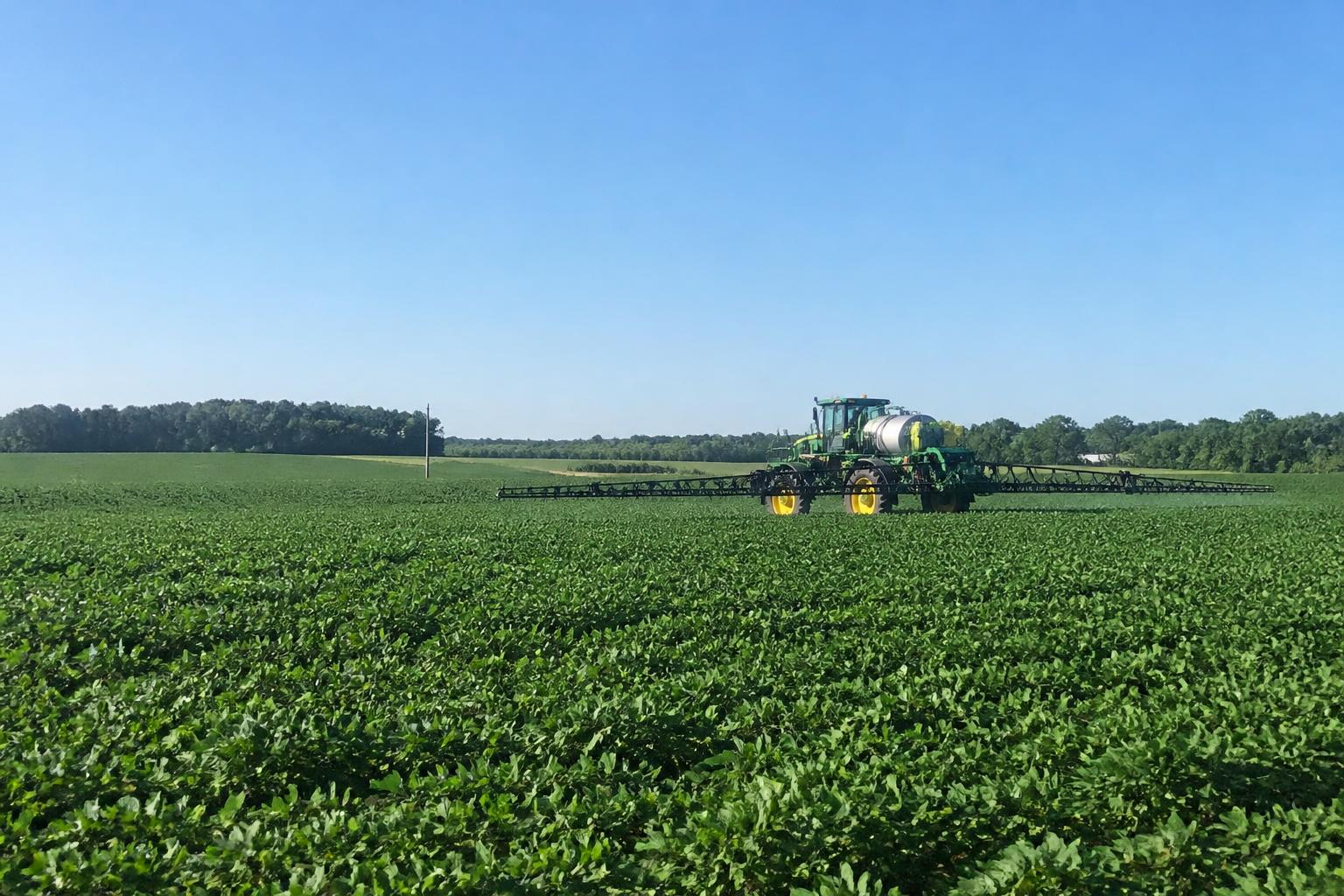
With North Dakota fields reaching peak summer growth, producers are navigating complex weed management challenges. Despite shifting regulatory landscapes and the emergence of resistant populations, industry leaders remain committed to the utility of glyphosate as a foundational tool in modern chemical programs.
Maintaining effective crop protection and navigating summer input strategy requires a balanced approach. Many growers are currently evaluating how to incorporate proven chemistries alongside automated sensing technology to maximize field efficiency while mitigating the risks posed by aggressive weed species during these critical mid-season stages.
The Role of Glyphosate in Modern Production
Agribusiness reports indicate that manufacturers are continuing to invest in the stability and application of glyphosate-based products. For producers in the Red River Valley and across the western plains, this consistency remains a key pillar of acreage management. The emphasis remains on sustainable use patterns, encouraging farmers to rotate modes of action to maintain the efficacy of these foundational products over the long term.
Integrating Technology into Field Management
Advancements in automated field sensing are beginning to change how North Dakota operations approach application decisions. By leveraging precision data, growers can potentially optimize the timing and placement of crop protection inputs. This technology-driven transition allows for more granular oversight of field conditions, helping producers respond to weed pressure with greater accuracy than traditional scouting methods might allow.
Key Takeaways
- Glyphosate remains a standard, albeit managed, component of North Dakota herbicide programs.
- Precision sensing technology is helping to refine the application of crop protection inputs.
- Producers are encouraged to maintain diverse weed management strategies to preserve input efficacy.
What it means for the market
For North Dakota agribusinesses and grain handlers, the continued reliance on glyphosate suggests that the demand for established chemical inputs will persist throughout the remainder of the growing season. Producers who integrate these traditional tools with emerging automated sensing technologies may find themselves better positioned to manage input costs and protect yield potential as harvest approaches.
Comments
No comments yet - be the first to share your take.