
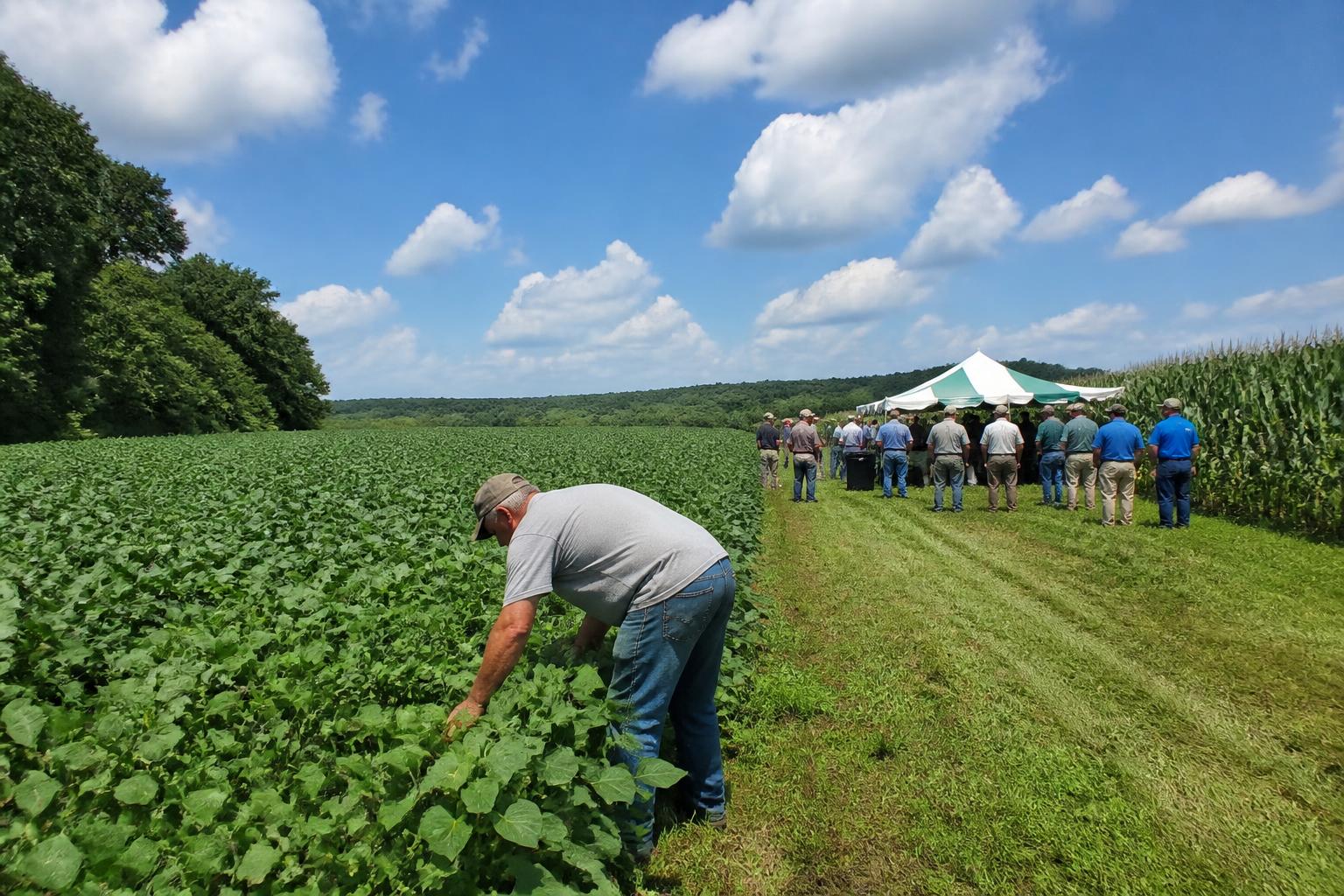
Mid-summer in Ohio brings a unique set of logistical challenges for the state's grain handlers and producers. As the season progresses, the importance of maintaining efficient transport corridors remains top of mind for those managing grain flow across the Eastern Corn Belt. Recent industry observations highlight how both unexpected river disruptions and local facility management issues can create ripples that affect local basis levels and overall market confidence.
For those managing grain logistics in Ohio, maintaining awareness of regional transport bottlenecks is critical during the busy summer months. When waterways or local infrastructure face sudden stress, the impact on grain movement is often immediate, requiring managers to seek alternative strategies to ensure timely delivery and storage management.
Managing Facility Risk and Operational Stability
Operational transparency at the elevator level is essential for sustaining producer trust. Recent events involving financial shortfalls at grain companies remind operators of the importance of maintaining strict compliance and strong communication with their grower base. In such a competitive market environment across the state, ensuring the physical and financial security of stored grain remains a pillar of regional agribusiness health.
The Impact of Infrastructure on Commodity Flow
The Ohio River corridor remains a critical artery for the state's agricultural exports, yet it is susceptible to periodic disruptions that can complicate logistics for elevators and shippers alike. These events often underscore the fragility of relying on a single mode of transport and highlight the need for diversified planning. As producers consider their post-harvest options, evaluating the reliability of local grain handling networks against broader, potentially volatile logistical routes is a necessary exercise.
What it means for the market
Market participants should maintain a disciplined focus on local elevator health and broader logistical trends this summer. As the season nears its next major milestone, vigilance regarding transport stability and counterparty reliability will be key to managing risks effectively and capitalizing on regional export opportunities.
Comments
No comments yet - be the first to share your take.