
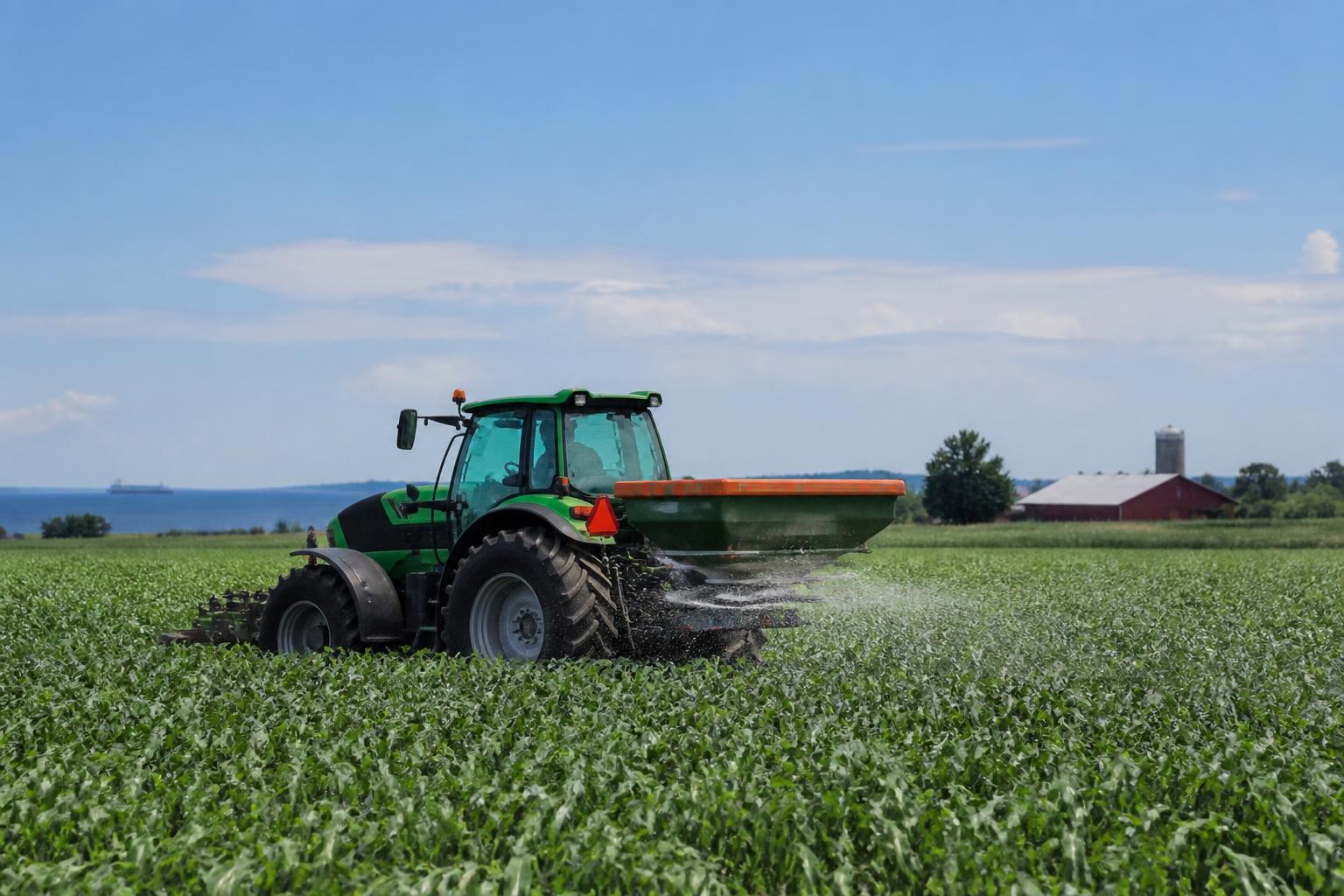
As the peak summer growing season continues across Alaska, producers are keeping a close eye on input markets and the evolving logistics landscape. While global fertilizer prices have shown recent volatility, the potential for stabilized costs may offer some relief for operations planning their next nutrient management cycles. Farmers in regions ranging from the Matanuska-Susitna Valley to small-scale growers in the Southeast are balancing these cost fluctuations against the unique demands of our northern climate.
For those managing input-heavy operations, staying informed on current crop protection demands remains a top priority. Efficiency in the field is rarely just about chemistry; it is increasingly about the reliable movement of goods into and out of our state.
Expanding Air Cargo Capacity
Logistics remain a cornerstone of Alaskan agribusiness. Recent expansions in air cargo freighter capacity are noteworthy for those relying on timely delivery of specialized equipment, seeds, and inputs that must traverse vast distances. Increased air freight availability can potentially shorten the supply chain gap, helping local farms maintain momentum during the brief, high-intensity summer production period.
Integrating Tech and Local Models
The rise of localized agricultural models continues to gain traction, particularly as specialized technology makes smaller-scale production more viable in remote communities. By combining enhanced logistical support with precision management tools, producers are finding new ways to optimize yield despite the geographic challenges inherent in our state. These operational improvements often rely on a mix of tried-and-true field practices and a careful watch on regional market indicators.
What it means for the market
The intersection of falling global fertilizer prices and improved internal cargo throughput presents a favorable environment for Alaskans to refine their mid-season strategies. Producers who leverage these efficiencies while maintaining disciplined cost management are better positioned to maximize their returns as harvest approaches. Keeping a close watch on regional freight corridors and input availability will be essential for the remainder of the summer.
Comments
No comments yet - be the first to share your take.