
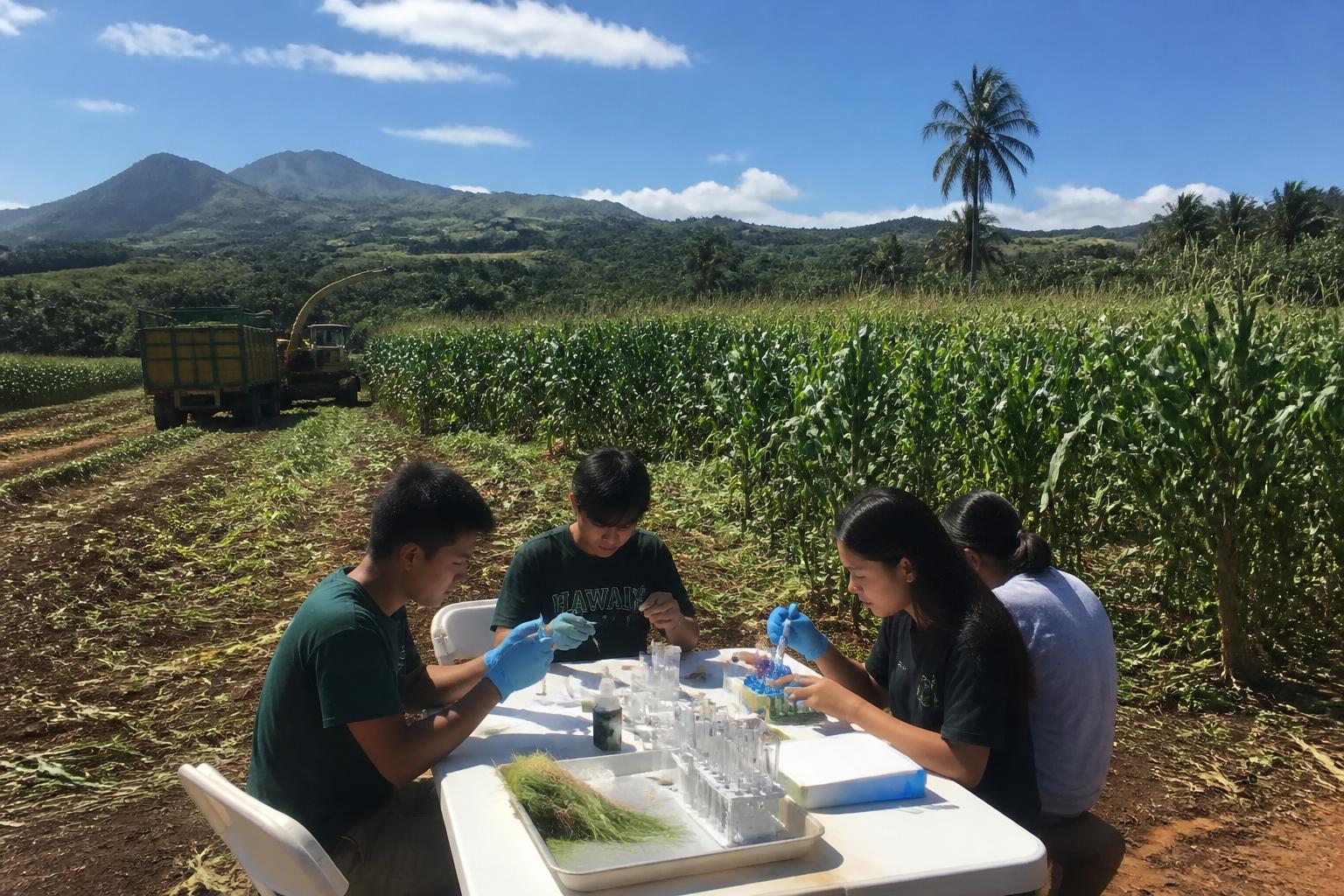
As Hawaii moves through the height of the summer season, the state’s agricultural landscape remains heavily influenced by the ongoing management of invasive species and the pursuit of resilient production techniques. From the island of Maui to the coastal regions of Oahu, producers are increasingly relying on data-driven tools and collaborative research to protect their yields against persistent threats.
Effective crop management has become synonymous with proactive biosecurity in the islands. Whether dealing with the monitoring of coconut rhinoceros beetles or addressing the impact of various thrips, growers are utilizing new digital dashboards to track and mitigate threats before they reach critical levels. These evolving regulatory and protective measures remain a daily focus for many farms looking to maintain market access and profitability.
Advances in Local Crop Research
Collaboration between the University of Hawaii and local agricultural stakeholders is providing a much-needed boost to long-term sustainability. Recent initiatives, including the development of new genetic tests for corn and the revitalization of local seed varieties through university labs, are helping farmers better understand their specific growing conditions. These advancements are critical for maintaining the viability of island-grown produce, which often faces higher operational costs compared to mainland imports.
Furthermore, the implementation of statewide mapping tools is enabling more precise crop monitoring. By better tracking land use and yields, the industry is working toward stronger food security goals, providing a clearer picture for agribusinesses attempting to optimize their logistics in a constrained environment.
Integrating Modern Solutions
The intersection of technology and field management is also evident in the growing interest surrounding innovative fertilization and integrated pest management strategies. While large-scale changes often require significant infrastructure, many local producers are finding that smaller, targeted investments in biosecurity and genetic resilience offer immediate benefits for protecting capital and field labor. As noted in recent updates on rising input costs, finding ways to maximize output per acre is essential for the long-term health of the sector.
For those navigating the current supply chain and logistics environment, keeping abreast of departmental policy changes and shifts in state-led invasive species programs is advised. Monitoring these updates can help operations adjust their procurement and protection strategies to align with both immediate climate conditions and regional biosecurity requirements.
What it means for the market
Producers should prioritize the integration of early-detection technologies and local research findings to mitigate seasonal crop losses. With persistent invasive threats, investing in proven biosecurity measures and staying informed on university-backed agricultural data will be key to stabilizing output and managing the costs of production throughout the remainder of the summer.
Comments
No comments yet - be the first to share your take.