
Protecting Yield Potential in a Challenging Summer
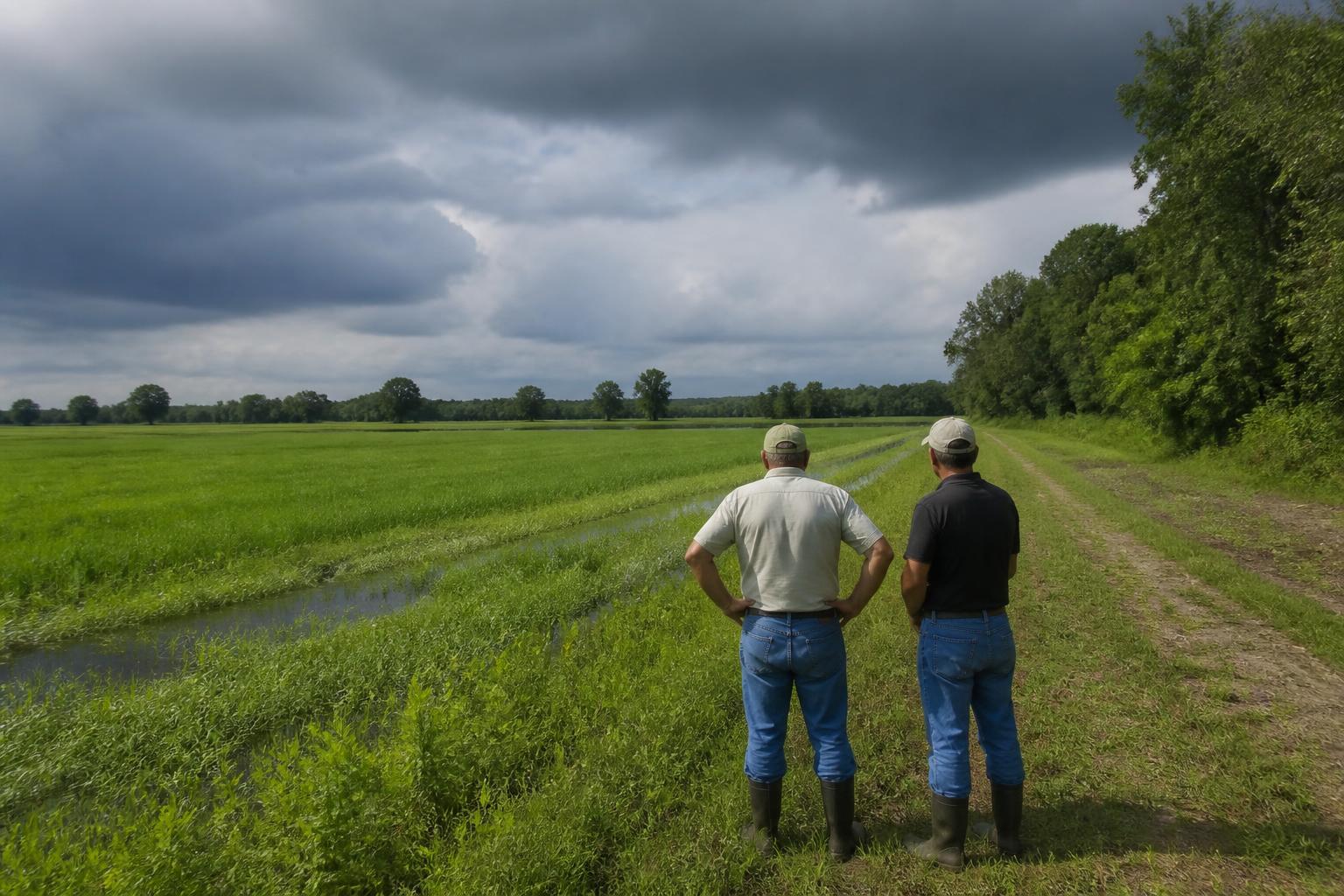
For Louisiana farmers, the current summer cycle has brought a complex mix of moisture-related hurdles that directly impact crop protection strategies. Recent observations highlight a persistent challenge with fungicide-resistant Rhizoctonia solani, which continues to threaten productivity across key production areas. Maintaining yield potential in this environment requires a disciplined approach to integrated pest management, especially as fields contend with the remnants of recent localized flooding.
The impact of moisture extends beyond fungal threats. Producers are increasingly reporting difficulties with invasive snail populations that are encroaching upon rice crops and crawfish operations. These biological stressors require vigilant scouting and, in some cases, adjustments to traditional application schedules. As you evaluate your current protection program, consider how shifting environmental conditions might alter the efficacy of standard treatment protocols.
Supply Chain and Operational Resilience
Beyond the field, the broader agribusiness landscape in Louisiana is undergoing adjustments that could influence local input availability. While regional logistics are often steady, staying connected to local market shifts is vital for maintaining an efficient supply chain. For those looking to optimize their crop protection and summer production strategies, keeping a close eye on input costs and delivery timelines remains a practical necessity to mitigate risk.
As we move through the heart of the summer, remember that the intersection of equipment availability, regulatory shifts, and environmental stressors creates a fluid market environment. Coordination with local co-ops and extension specialists can provide the edge needed to navigate these persistent regional variables.
What it means for the market
Farmers should anticipate continued focus on specialized herbicide and fungicide modes of action as resistance issues persist. While the broader grain industry deals with structural shifts in grain handling, your immediate priority remains the defense of your current crop. Precision in application timing and careful monitoring for invasive pests will likely pay dividends as we transition toward the upcoming harvest season.
Comments
No comments yet - be the first to share your take.