
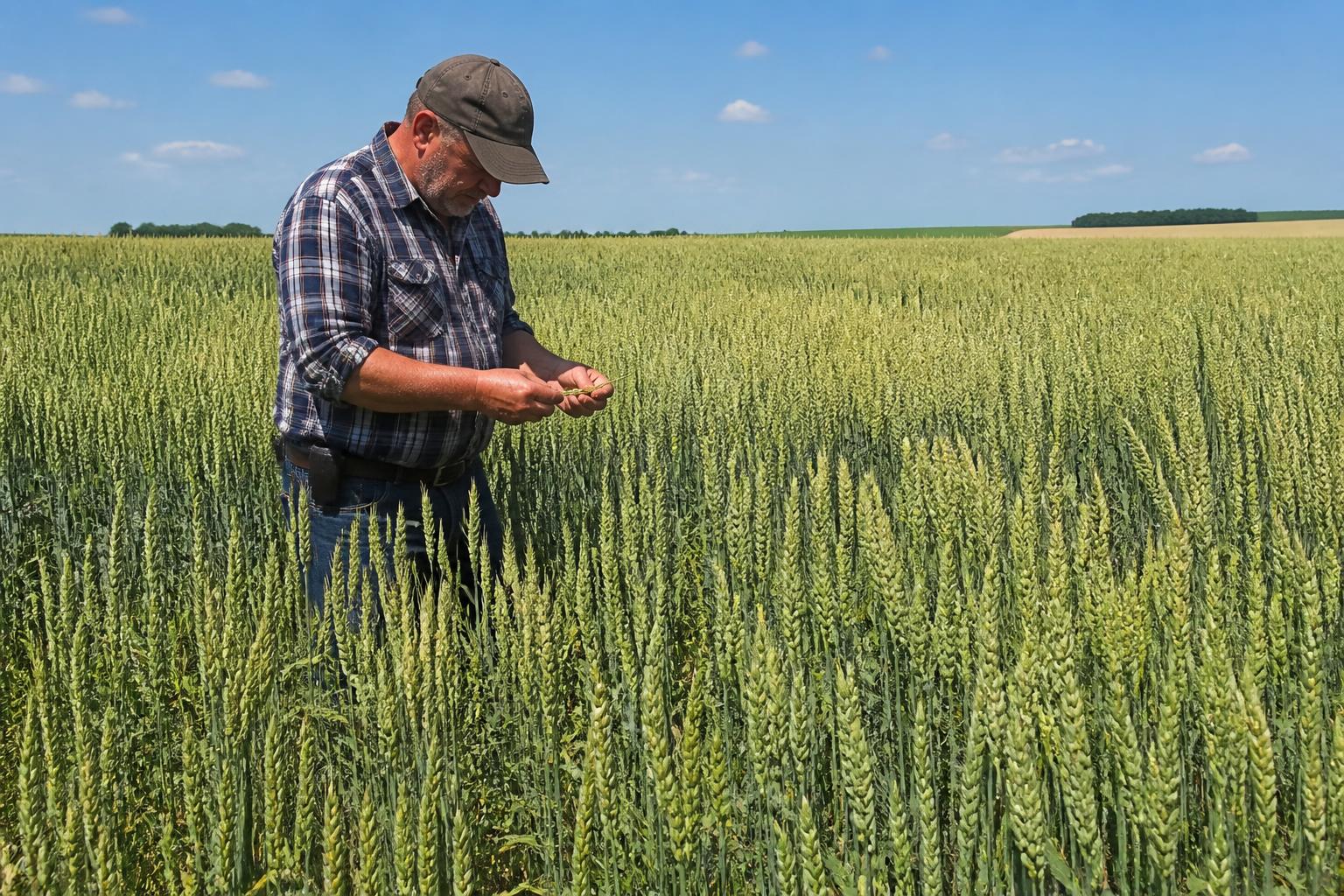
Mid-summer in South Dakota brings a distinct set of challenges for local growers and agribusinesses. As crops progress through their peak vegetative and reproductive stages, protecting yield potential remains the primary focus. Managing inputs effectively during these weeks is essential, as environmental conditions can shift rapidly, impacting the efficacy of late-season applications.
For those managing input procurement and application schedules, staying ahead of regional logistics is key to avoiding delays. Growers are often juggling tight windows for field access while monitoring summer crop protection trends that dictate the timing of nutrient and pest management strategies. Coordinating with local cooperatives and suppliers ensures that necessary products are staged well in advance of optimal application dates.
Logistical Considerations for the Growing Season
Transport remains a critical variable for South Dakota producers as we move through the heart of the summer. Producers in key agricultural regions should keep a close eye on transport efficiency, particularly as local grain elevators and handlers adjust their operations to meet seasonal demands. It is often beneficial for operators to review mid-summer transport pressures that frequently influence the movement of both incoming inputs and early harvest preparations.
Furthermore, maintaining operational flexibility is vital. Whether moving specialized equipment between counties or managing the delivery of bulk inputs, understanding current logistics and transport challenges can help prevent costly downtime. Proactive communication with carriers and local infrastructure authorities is a standard practice for many businesses looking to navigate the busy summer transit season smoothly.
What it means for the market
The current market environment underscores the importance of operational resilience. By integrating disciplined input management with a keen awareness of regional logistics, South Dakota farmers can better position themselves to mitigate risks associated with summer volatility. Success this season will likely favor those who remain agile, maintain clear communication lines across their supply chain, and adapt quickly to the regional transport conditions that define the mid-summer landscape.
Comments
No comments yet - be the first to share your take.