
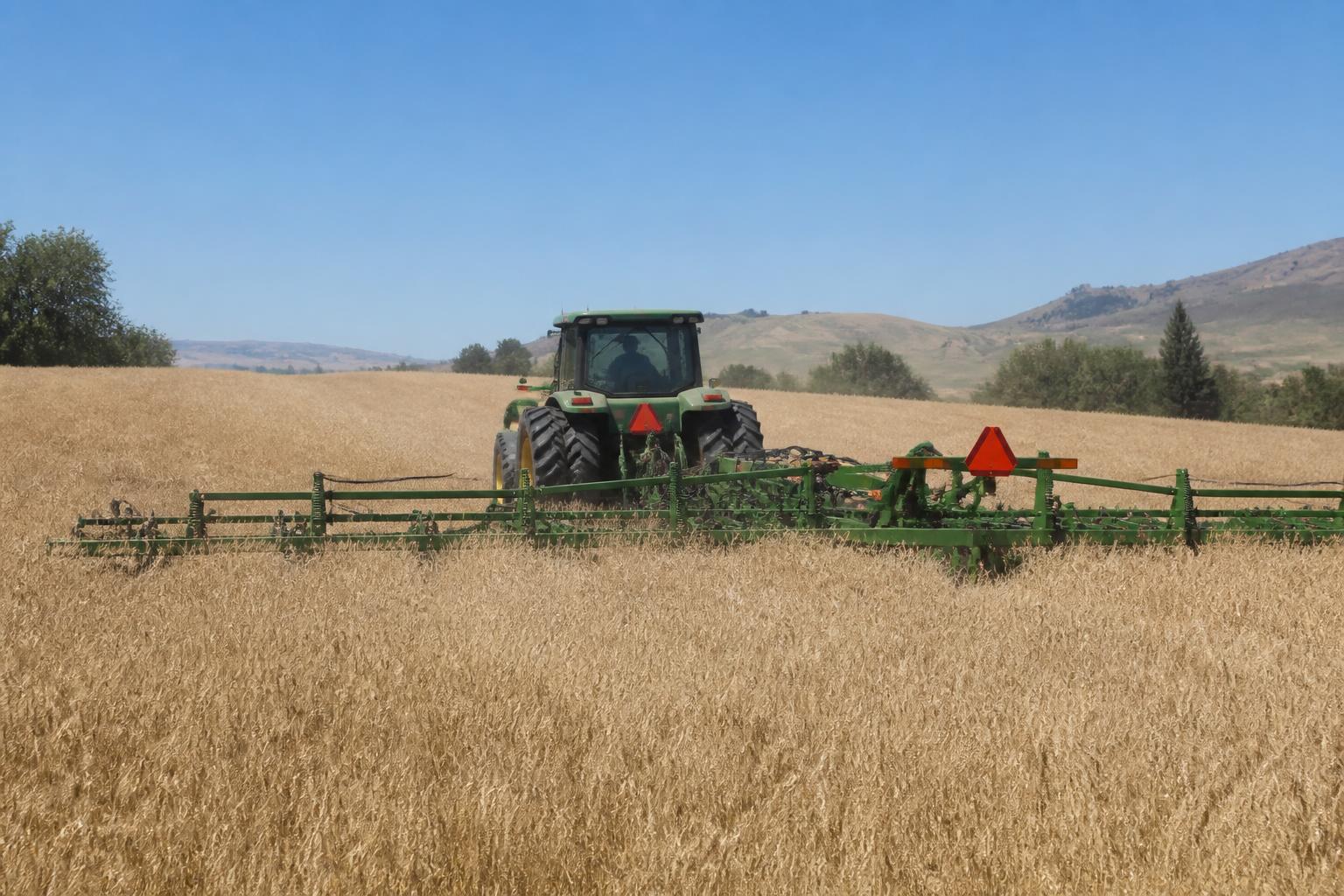
As Idaho’s agricultural sector deepens its summer workload, producers across the state are contending with a confluence of operational hurdles. From the southern valleys to the higher elevations, farm managers are balancing the necessity of crop protection with tightening margins and broader regulatory scrutiny that could reshape seasonal strategies.
Managing Pests and Protecting Soil Health
In many parts of southern Idaho, the focus remains firmly on weed management. Keeping fields clear is essential for maximizing yield potential during the critical summer growth phase. As farmers look to maintain high-quality outputs, new tools are entering the market to support these efforts. Recent regulatory progress, including state-level approvals for innovative biofertility products, signals a shift toward integrating biological solutions alongside conventional inputs, allowing growers to manage soil health more flexibly while meeting organic production standards.
Navigating Economic and Policy Headwinds
Beyond the field, the industry is grappling with broader pressures. The recent loss of specific sustainability grant programs has created a gap for many local operations, forcing a re-evaluation of long-term investments. This coincides with a period of intense focus on protecting Idaho's productive footholds as land competition remains high. Furthermore, livestock producers are facing their own challenges, with reports of recurring animal health issues like bird flu in dairy herds, necessitating stringent biosecurity measures and careful monitoring of herd health during the peak heat of the season.
The Evolving Regulatory Environment
Federal agency attention remains a consistent variable for Idaho agribusinesses. With recent site visits from federal officials to various regions of the state, the industry is bracing for potential changes to compliance protocols regarding chemical applications and environmental stewardship. For many local operations, successfully navigating these shifts requires a proactive approach to infrastructure investments and compliance to remain competitive in both domestic and international markets.
What it means for the market
The current environment requires Idaho producers to maintain high agility. While input costs and regulatory uncertainty present clear obstacles, the adoption of novel bio-products and a focus on operational efficiency suggest a sector in transition. For farmers, grain handlers, and input buyers, the priority is to stay informed on regional policy developments and pivot toward strategies that prioritize resilience and risk management as harvest season approaches.
Comments
No comments yet - be the first to share your take.