
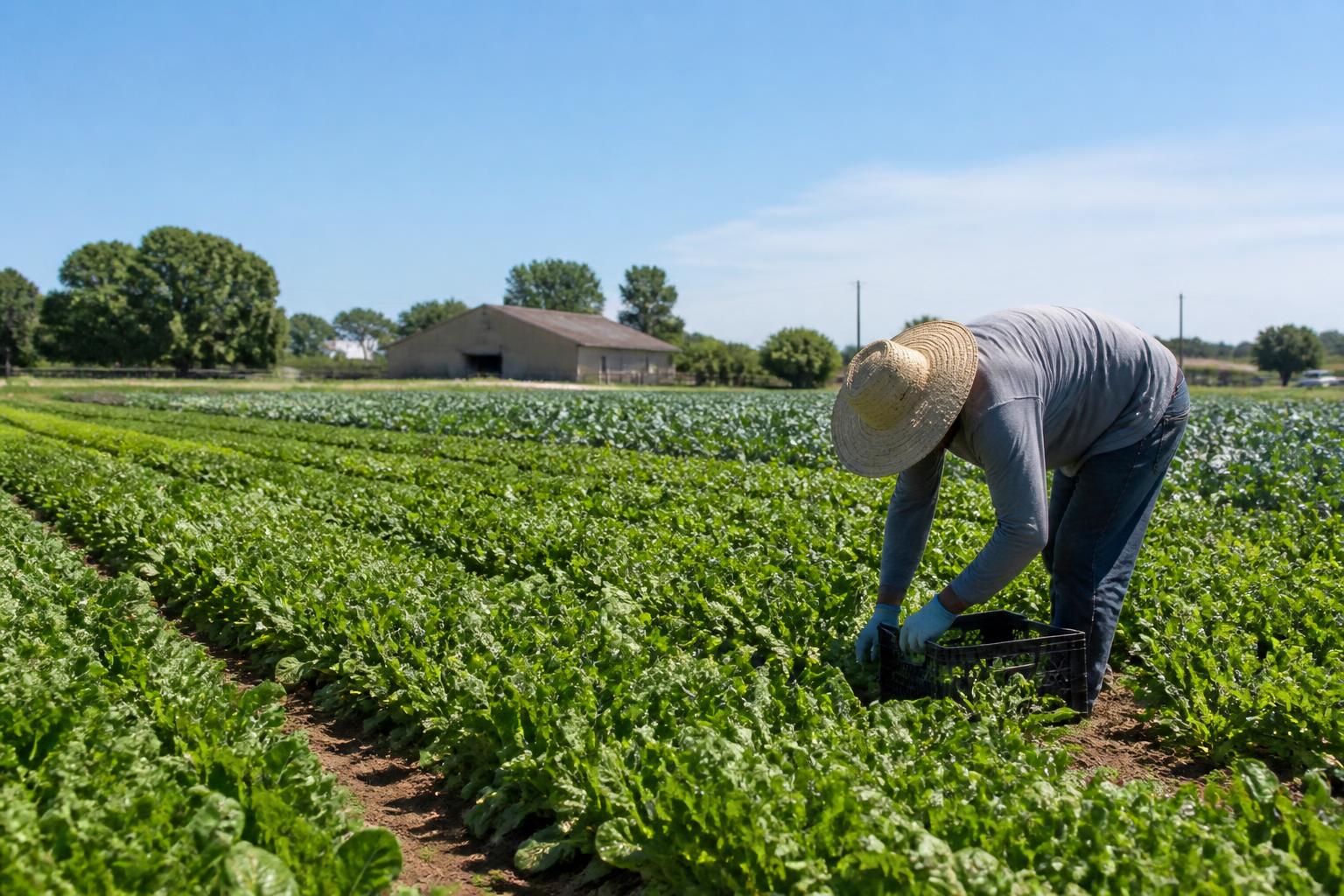
Mid-summer in Massachusetts often brings intense management cycles for growers, as field teams work to balance long-term crop health with increasing regulatory and economic pressures. As operations across the state, from the Connecticut River Valley to the coastal regions, hit their peak growth phases, maintaining effective crop protection strategies remains a primary challenge for staying competitive.
Labor management has emerged as a significant point of focus for many regional operations. Recent discussions regarding legislative changes and operational requirements have prompted producers to rethink their workforce strategies. Navigating these transitions can be complex, particularly when high-value crops require consistent attention to meet market demand. For many farmers, integrating modern protection technologies like nano-tech or advanced biologicals may serve as a buffer against labor constraints, offering more precision in field maintenance.
Resilience in the Face of Supply Disruptions
The global fertilizer and input market continues to show signs of volatility, impacting local access to essential crop inputs. While many growers focus on local "Buy Local" initiatives, the broader supply chain is susceptible to disruptions that ripple down to individual agricultural businesses. Tracking nutrient supply chain trends is now a regular part of the operational planning for Massachusetts farms aiming to mitigate the effects of global trade instability.
Risk management also extends to the financial side of the farm gate. Producers are increasingly looking toward diversified crop insurance and proactive resource management to guard against the physical and financial variables of the summer season. Whether dealing with shifting climate patterns or evolving input costs, the ability to adapt to external shocks is becoming as vital as traditional production skills.
What it means for the market
For agribusinesses and local producers, the current environment demands a higher degree of agility. By prioritizing smart, sustainable protection tools and staying informed on shifting labor compliance, growers can better navigate the complexities of this summer. Looking ahead, the emphasis on local resilience is likely to deepen, as farms search for reliable, long-term partnerships in both input supply and labor management to secure their place in the regional market.
Comments
No comments yet - be the first to share your take.