
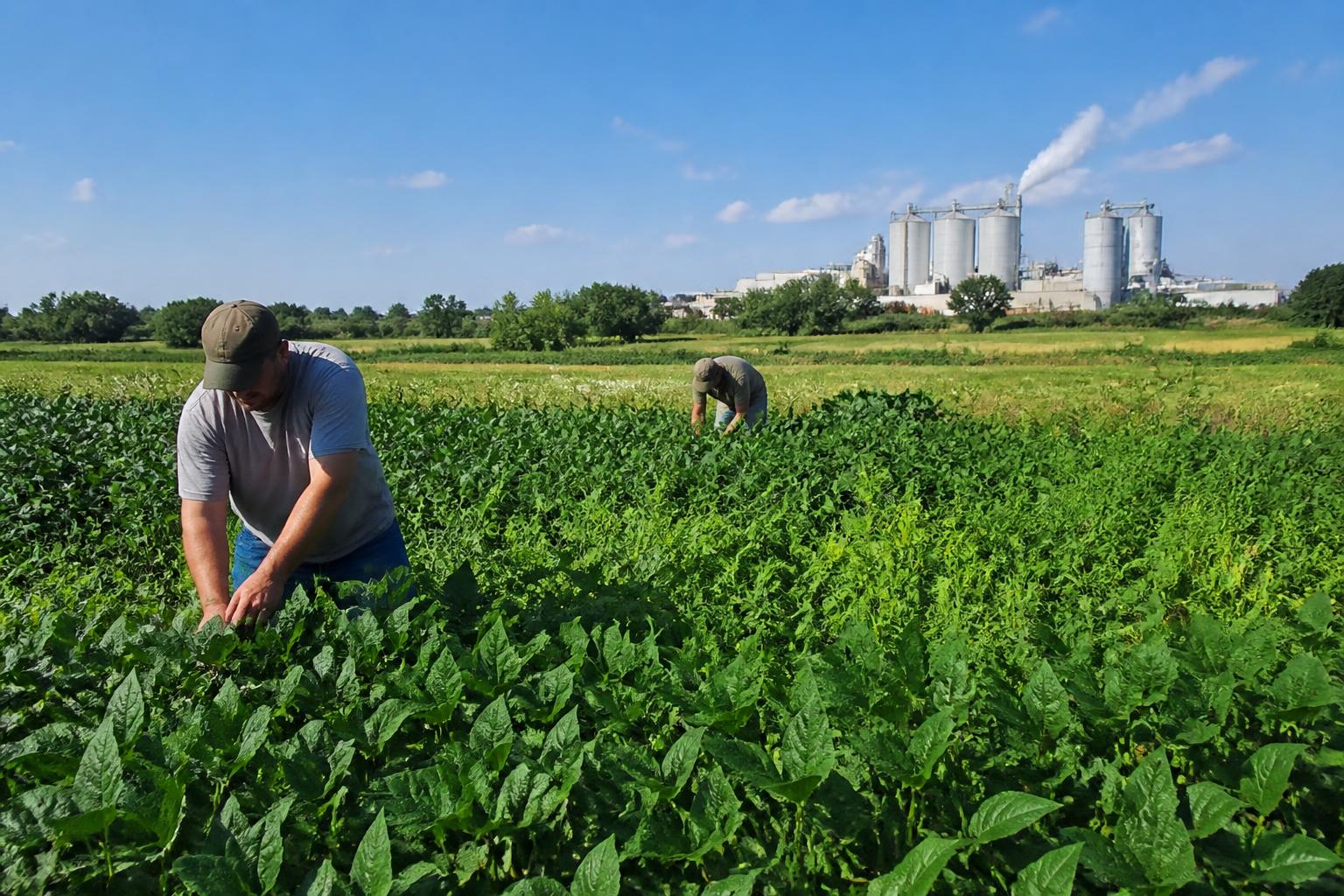
As the mid-summer season progresses across Indiana, agricultural producers are shifting their focus toward intensive field management. Recent observations suggest that soybean disease risks are rising, prompting many growers to re-evaluate their strategic crop planning and input investments to protect yield potential. Balancing the necessity of these protective measures against fluctuating input costs remains a primary concern for operations looking to maintain healthy profit margins during this critical growth window.
The state's infrastructure landscape continues to evolve, providing potential logistical relief for grain handlers and producers. The recent opening of new, large-scale facilities, such as the feed mill in Wabash County, highlights a regional commitment to expanding domestic processing capacity. Such developments can be instrumental in providing more consistent local demand, helping producers navigate the volatility often seen in grain markets as we move deeper into the summer months.
Refining Input Strategies
For many Indiana farmers, the decision to deploy additional crop protection products often involves weighing the immediate costs against the threat of yield loss. Beyond traditional chemical applications, there is growing interest in regenerative agriculture practices and advanced seed genetics. Partnerships between academic institutions and global agribusiness leaders are increasingly focused on these areas, aiming to provide tools that help producers better manage environmental stressors and invasive pests throughout the growing season.
Logistics and Market Stability
Effective mid-season logistics management is essential as regional demand centers grow. The ability to efficiently move grain to modernized facilities helps mitigate some of the localized basis risks that can occur when transportation channels are strained. Keeping abreast of regulatory updates and maintaining clear communication with warehouse and licensing agencies remains vital for ensuring smooth grain movement from the field to storage or processing hubs.
What it means for the market: The combination of proactive disease management and expanded local processing capacity suggests a focus on resilience within the Indiana agriculture sector. Producers who prioritize efficient input usage and maintain close ties to evolving local infrastructure are better positioned to handle the seasonal market fluctuations typical of a mid-summer cycle.
Comments
No comments yet - be the first to share your take.