
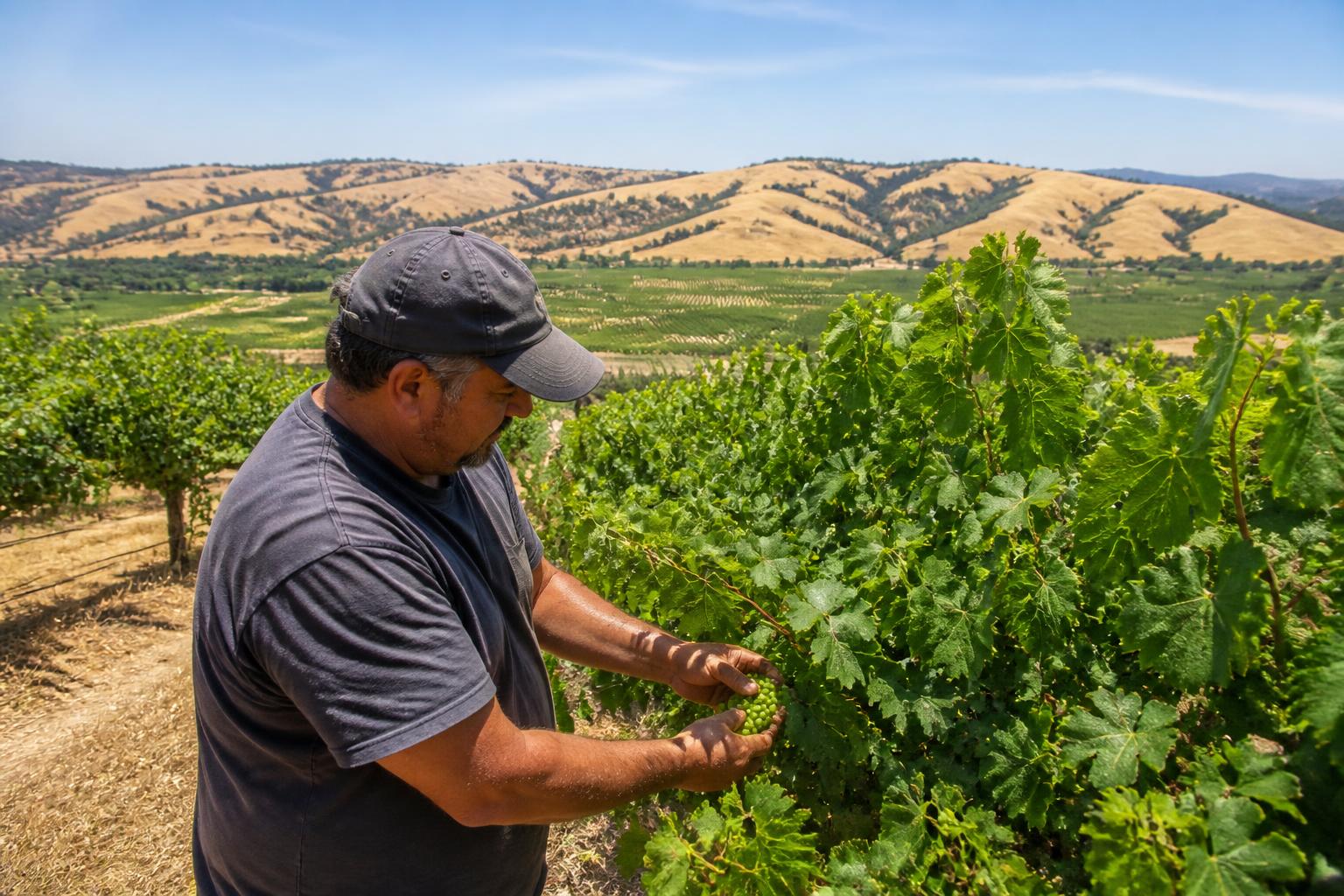
As the summer harvest cycle gains momentum across California, the demand for reliable, efficient transit from the field to the processor has become a primary focus for agribusinesses. From the Central Valley to coastal production regions, the ability to maintain a consistent flow of commodities remains a critical factor in protecting narrow margins and ensuring product quality upon arrival.
For many producers, managing transport volatility involves more than just fleet availability. As discussed in recent insights on navigating mid-summer transport and infrastructure pressures, the integration of real-time logistics coordination and GPS-enabled visibility tools has become an essential strategy. These digital solutions allow elevators and shippers to better anticipate bottlenecks, adjusting in real time to avoid the compounding costs associated with idling trucks and delayed shipments.
Infrastructure and Regulatory Considerations
Agribusiness operators are currently balancing a complex environment where infrastructure constraints often collide with shifting regulatory requirements. Whether managing water and infrastructure headwinds or adjusting to changing inputs in response to new environmental standards, California farmers are prioritizing lean, responsive operations. This operational agility is increasingly necessary as seasonal volumes peak and the competition for limited transportation assets intensifies.
Enhancing Efficiency in the Supply Chain
Effective logistics management is often the difference between a profitable season and one squeezed by rising input and freight costs. As we see in broader analysis regarding the evolution of California supply chains, businesses that invest in proactive communication between the field, the hauler, and the receiving facility tend to see better outcomes. Maintaining clear lines of sight—literally and figuratively—into transport schedules allows for smoother transitions, particularly when navigating the specific weight limits and seasonal road restrictions that can complicate harvest transit throughout the state.
What it means for the market: For California producers and logistics providers, the current landscape demands a pivot toward data-driven transit. By utilizing real-time coordination to mitigate standard harvest bottlenecks, agribusinesses can better shield themselves from the volatility in fuel and transport availability, ultimately supporting more stable margins as the summer season progresses.
Comments
No comments yet - be the first to share your take.