
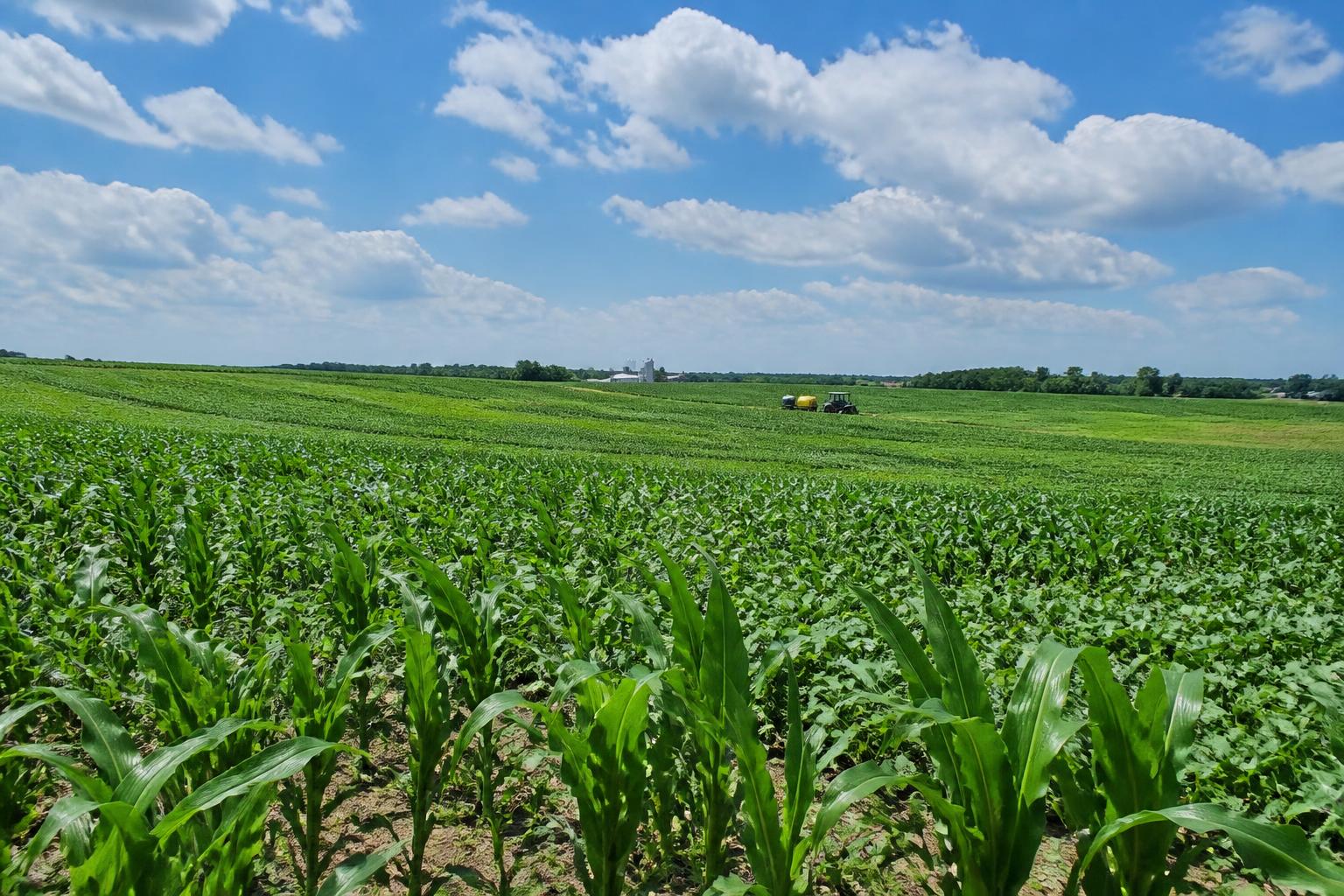
Mid-summer in New York often presents a complex environment for crop management. As crops progress through critical developmental stages, the pressure to maintain yield potential while navigating tight input budgets becomes a central concern for growers across the state, from the fertile soils of the Finger Lakes to the productive acreage in Western New York.
Current market conditions indicate that many producers are reevaluating their input management strategies to ensure that every dollar spent on protection provides maximum return. With regional weather variability impacting field access, the ability to time applications effectively is more important than ever for maintaining both quality and yield.
Tactical Budgeting for Crop Protection
As the season moves into its peak, the focus for many agribusinesses and farm operations shifts toward efficiency. Strategic allocation of resources is critical, particularly as firms in the crop protection sector navigate a changing landscape of demand and product availability. Farmers are encouraged to consult with local agronomists to identify cost-effective alternatives that do not compromise the integrity of their pest and disease management programs.
Adapting to Regulatory and Environmental Shifts
The regulatory environment in New York continues to evolve, necessitating a proactive approach to product selection. Producers should stay informed about shifts in the availability of traditional chemistries and evaluate alternatives early in the planning process. This adaptability is essential not only for compliance but for sustaining long-term soil and crop health throughout the growing season.
What it means for the market
For New York growers, the current market climate rewards those who prioritize data-driven decision-making and efficient resource allocation. By balancing the necessity of protection with the reality of current input costs, farmers can better position themselves to protect yields against seasonal pressures while preserving their bottom line heading into the final months of the growing year.
Comments
No comments yet - be the first to share your take.