
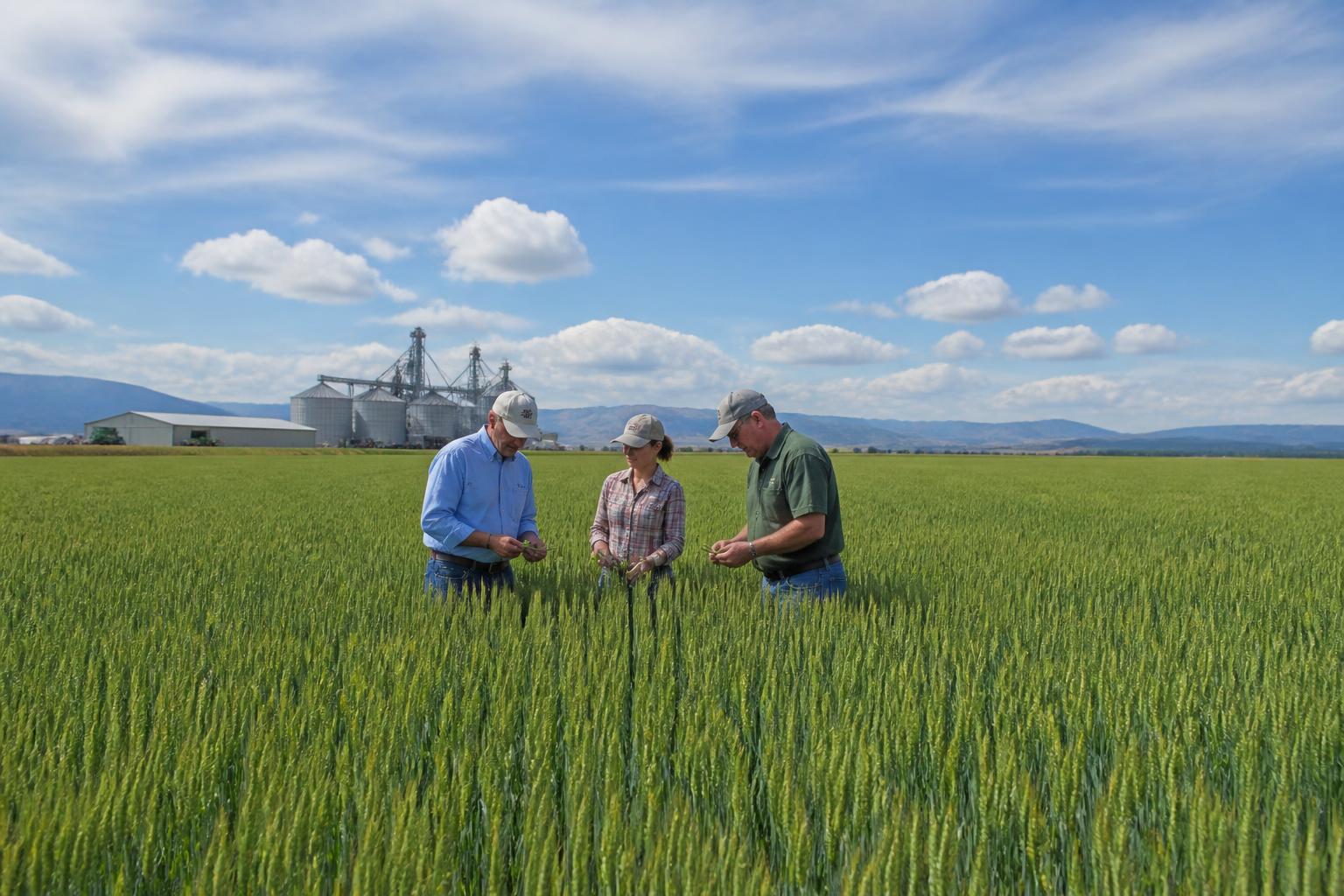
With mid-summer weather patterns across Montana showing promise for stronger production levels, local producers and grain handlers are increasingly turning their attention to the logistics of the upcoming harvest. Following reports of beneficial moisture, anticipation for higher yields this season is building, which necessitates a proactive approach to managing on-farm storage and regional transport networks.
For those managing the flow of grain through rural corridors, the seasonal uptick in activity requires early planning. Efficient movement of supplies and, eventually, crop, remains critical as regional elevators and transit points prepare for a busy window. Operators are often evaluating their storage readiness during this phase to avoid bottlenecks that can occur during high-volume periods, a topic often discussed in our Montana Grain Market Outlook.
Optimizing Storage and Logistics
As the state moves deeper into summer, infrastructure capacity becomes the primary bottleneck for many. Ensuring that grain bins are cleared and augers are serviced now can save valuable time once the harvest window opens. In many Montana counties, distance to the nearest rail-loading facility often dictates the pace of hauling, making the timing of logistics coordination essential for minimizing downtime.
Managing Seasonal Variability
While moisture has generally supported crop development, the reality of market volatility remains. Maintaining a flexible logistics strategy allows agribusinesses and producers to react to shifting prices and transport availability. Keeping a close watch on regional traffic patterns and equipment readiness helps mitigate the risks typically associated with a fast-paced harvest season.
What it means for the market
The current outlook points toward a season where logistical preparedness may be the defining factor for profitability. With potential yield increases expected across many areas of the state, the ability to store and move grain efficiently will likely separate those who can capture market opportunities from those constrained by capacity limitations.
Comments
No comments yet - be the first to share your take.