
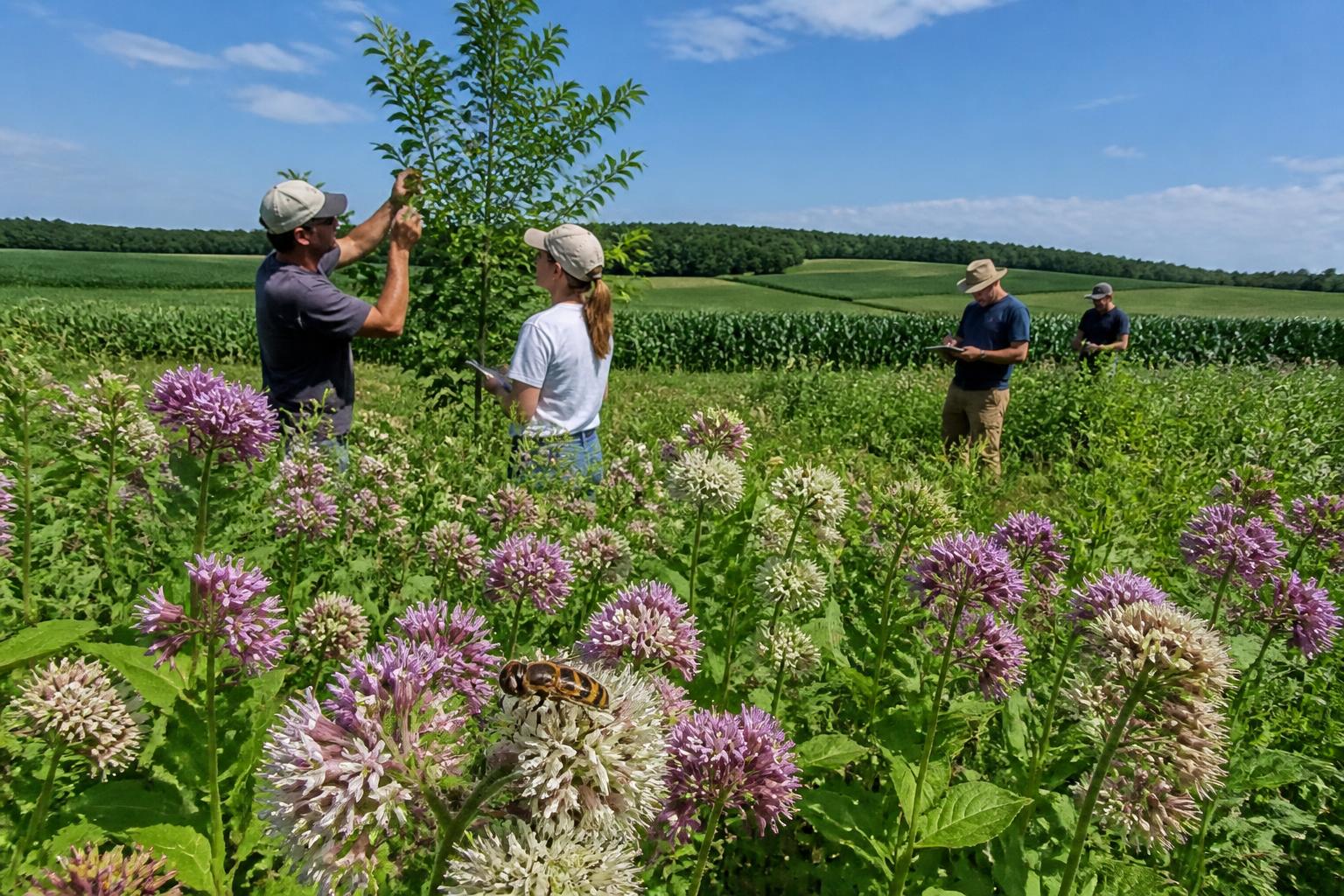
Mid-summer in New Hampshire typically brings a heightened cadence to agricultural logistics as growers manage peak seasonal activities. From moving specialty crops to coordinating the distribution of local proteins, the state's transport networks remain under consistent pressure to maintain efficiency in a high-demand environment.
Maintaining supply chain momentum often requires navigating evolving state and federal standards. Recent discussions regarding the regulatory landscape for the state's meat industry, for instance, highlight the ongoing tension between operational flexibility and compliance requirements. For local producers and processors, these regulatory dynamics can significantly influence how products move from farm gates to retail shelves, particularly when local facilities face capacity constraints.
Infrastructure and Operational Resilience
Infrastructure remains a critical component for the Granite State's agricultural stakeholders. As seen in recent developments, investments in regional wastewater management reflect a broader push to modernize rural infrastructure, which is essential for supporting both production and processing operations. Reliable infrastructure serves as the backbone for efficient logistics, ensuring that inputs and outputs can traverse corridors across key agricultural hubs without excessive delay.
For those managing summer crop management, the coordination of transport is often tied to seasonal weather patterns. Efficient field access and the ability to move equipment or harvested goods during peak growth phases are paramount to success. Furthermore, farmers looking to maintain long-term stability are increasingly exploring crop diversification, a strategy that may also require adjustments to traditional transport and distribution logistics as growers shift their output profiles.
What it means for the market
For agribusinesses and transport providers in New Hampshire, the current environment demands a high degree of adaptability. Whether managing the flow of specialty products or navigating the complexities of regional processing regulations, maintaining a focus on logistical precision is essential. As the summer season progresses, staying informed about infrastructure upgrades and legislative shifts will remain a key factor in mitigating operational risks and capturing market opportunities.
Comments
No comments yet - be the first to share your take.