
Mid-summer in Texas brings a unique set of variables for producers, from fluctuating moisture levels affecting rice development to the ongoing, critical need for vigilance regarding livestock health. As the industry looks to maintain stability, recent developments in both technology and policy are providing new tools for managing operational volatility.
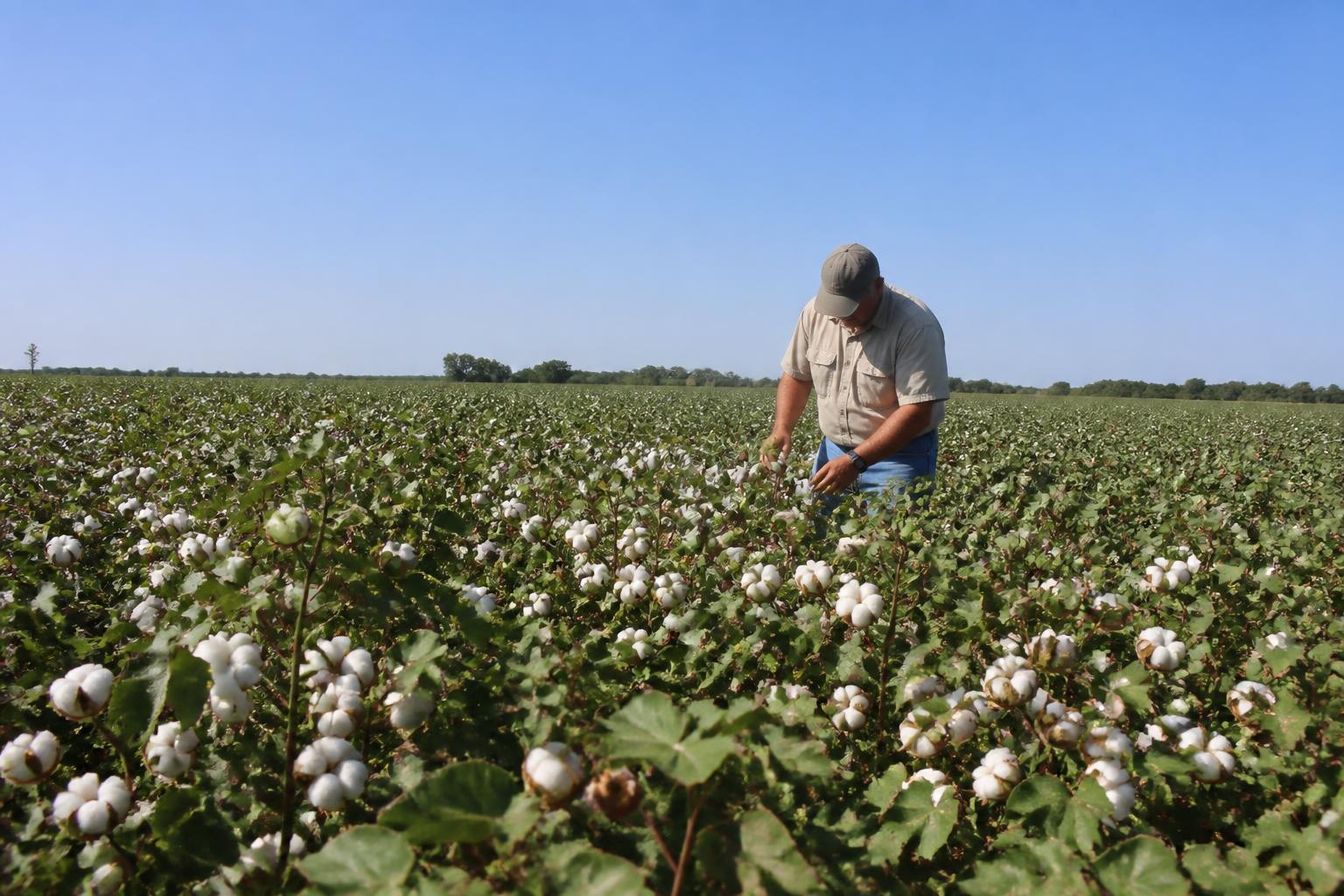
For row crop and forage producers, the landscape is shifting toward more resilient management practices. While many are keeping a close eye on trade dynamics that influence bottom-line stability, there is a clear push to integrate more robust plant protection strategies. Innovation in gene-editing and soil sustainability research continues to offer long-term promise for cotton and other staples, helping producers prepare for a future defined by environmental uncertainty and shifting input needs.
Expanding Safety Nets for Producers
Risk management remains a primary focus for Texas farmers. The USDA’s decision to expand revenue protection programs to include oat and rye producers marks a notable shift in the regional safety net. By broadening these protections, the federal government aims to provide a more reliable hedge against the market volatility that often catches smaller-grain operations off guard. For many Texas growers, these financial protections are becoming just as essential as traditional crop scouting and input management.
Managing Pests and Crop Health
Livestock producers in particular have been urged to maintain high levels of biosecurity following reports of screwworm cases in cattle regions. Protecting herd health remains a top priority during these warmer months, necessitating consistent monitoring and immediate reporting to agricultural authorities. Simultaneously, growers managing diverse rotations, including rice and sunflowers, are balancing fluctuating global market signals with localized agronomic challenges.
What it means for the market
Texas agriculture is in a period of transition where technological adoption and risk mitigation are closely linked. For farmers and agribusinesses, the combination of expanded insurance eligibility and emerging research in sustainable crop protection provides a path toward stabilizing operations despite ongoing economic pressures. Staying updated on these regulatory shifts and technical advancements will be critical for maintaining productivity throughout the remainder of the summer season.
Comments
No comments yet - be the first to share your take.