
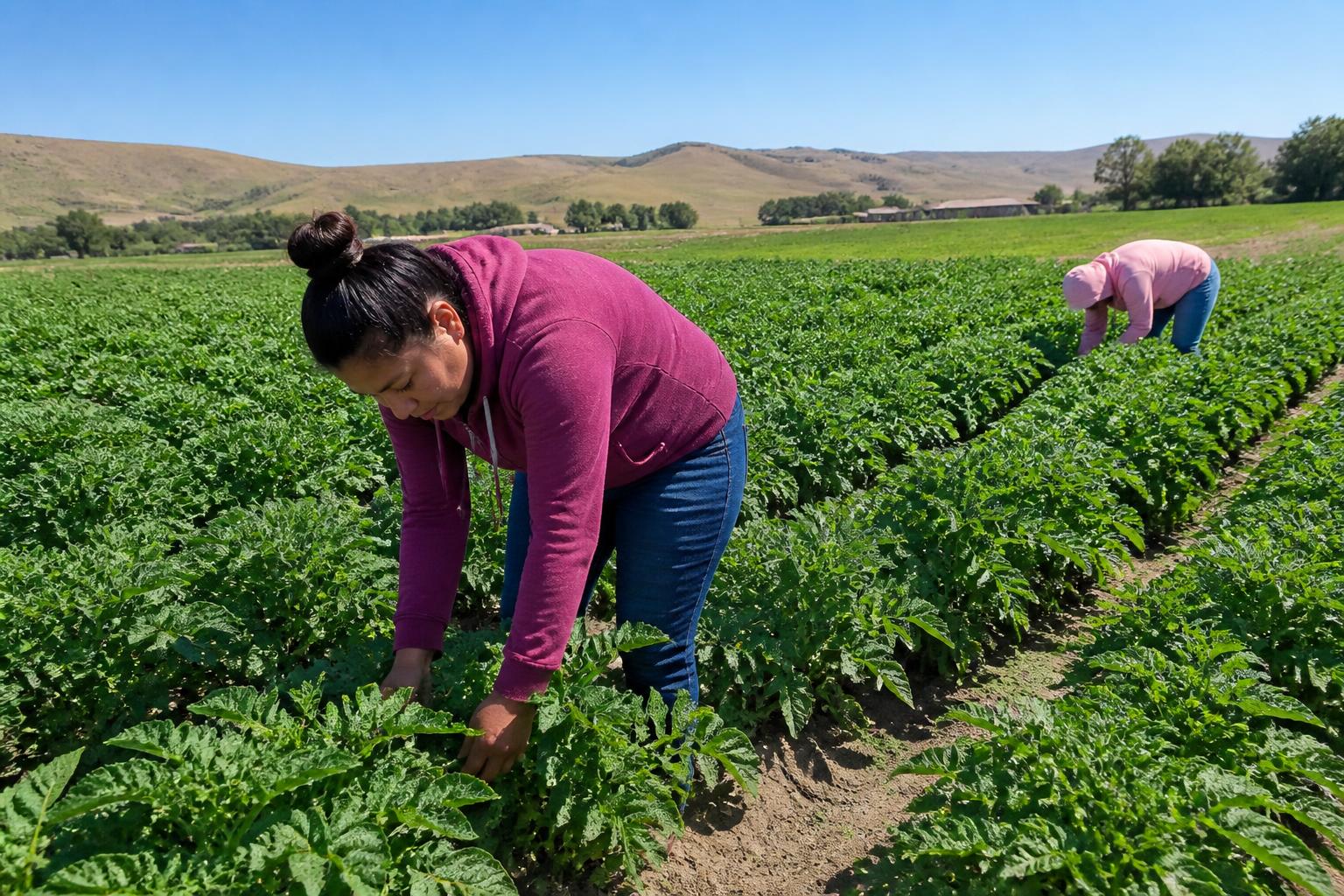
As Idaho reaches the height of the summer growing season, agricultural operations across the Magic Valley and beyond are navigating a convergence of operational pressures. From managing specialized field safety protocols to addressing broader market volatility, Idaho producers are finding that success in the current climate requires a heightened focus on both human resources and logistical resilience.
While crop science advancements continue to drive productivity, the industry is increasingly mindful of environmental and safety standards. Recent studies focusing on the health of farmworkers underscore the importance of maintaining rigorous safety protocols during peak application periods. Protecting the workforce is now intrinsically linked to the long-term viability of the state's diverse agricultural sectors, particularly as regulatory scrutiny on field applications evolves.
Market Stability and Trade Dynamics
Beyond the field, the broader economic environment remains challenging. Current trade dynamics, including ongoing tariff turbulence, are forcing many agribusinesses to re-evaluate their supply chains. Producers are encouraged to keep a close watch on how these fluctuations influence the cost of essential inputs, which remains a primary concern for bottom lines across the region. When resources are constrained, protecting Idaho's productive footholds becomes essential to ensure that land remains economically viable in the face of mounting competition and rising operational costs.
Logistical and Resource Management
Logistics continue to be a hurdle for handlers and growers alike. Reports of isolated supply chain disruptions, such as incidents involving critical inputs like potash, serve as a reminder that stability in the fertilizer sector is sensitive to both global and domestic infrastructure health. For growers, maintaining strong relationships with local cooperatives and logistics providers is vital to mitigating the risk of mid-season shortages or unexpected price spikes.
Key Takeaways
- Prioritizing field safety and worker health is critical as regulatory standards in Idaho continue to evolve.
- Market uncertainty and tariff shifts require producers to maintain agility in procurement and input management.
- Strategic oversight of logistics and supply chain stability remains a top priority to insulate farm operations from unexpected disruptions.
What it means for the market: The current landscape in Idaho is defined by the need for cautious, data-driven decision-making. As the summer progresses, those who prioritize operational safety and supply chain transparency will be better positioned to weather the volatility currently impacting producers throughout the state.
Comments
No comments yet - be the first to share your take.