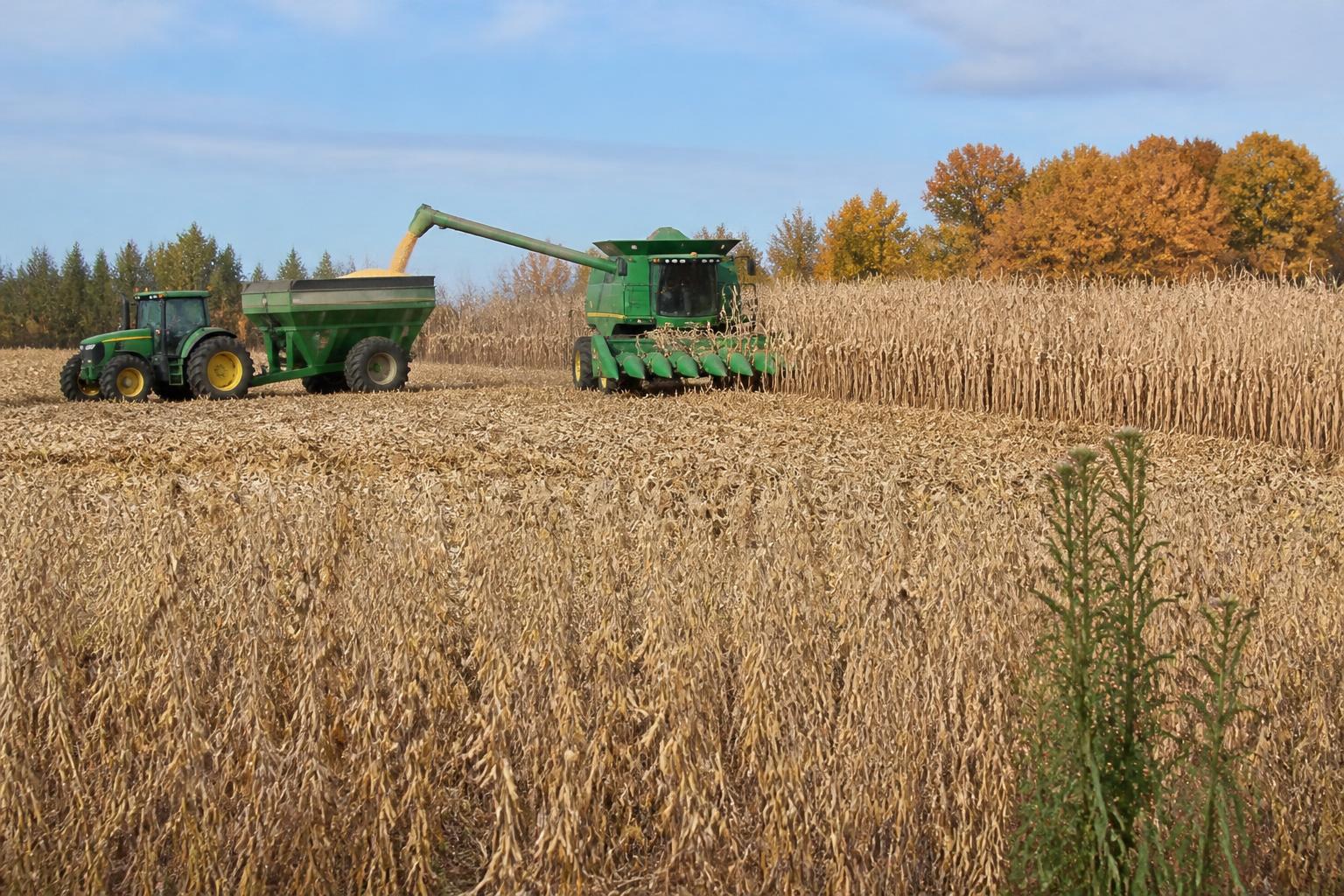
Logistics and Input Costs: Navigating Market Shifts for Alaska Producers
Alaska producers are navigating shifting fertilizer price trends and expanded cargo capacity that may influence operational efficiency during the peak summer window.
We collect original digests and analytical notes based on facts, market signals and verified sources.
As Ohio growers move through the summer season, regional logistics are adapting to new distribution hubs and shifting market demands, even as weather patterns remain unpredictable.
Alaska producers are navigating shifting fertilizer price trends and expanded cargo capacity that may influence operational efficiency during the peak summer window.
As Georgia producers navigate the height of summer, market volatility and evolving input landscapes continue to demand strategic logistical planning for both harvest and future crop cycles.
Strategic partnerships in the Massachusetts potato industry are driving efficiency as regional growers optimize local supply chains during the busy summer production period.
As Washington farmers navigate seasonal peak demand, market volatility and logistical infrastructure challenges remain top-of-mind for long-term operational success.
As summer operations intensify in Arkansas, producers and handlers are balancing active export commitments against evolving federal farm policy and regional logistics pressures.
As Arizona farmers navigate ongoing water constraints and input volatility, new pilot programs are testing Physical AI to optimize specialty crop management.
As Texas producers navigate the challenges of summer, shifting weather patterns and regional logistics continue to impact grain movement and market sentiment across the state.
Rhode Island producers are on high alert as the spotted lanternfly enters the state, threatening local crops and requiring immediate vigilance in field and logistics management.
Colorado producers are evaluating mid-summer market conditions as they balance regional supply chain constraints and evolving crop protection strategies.
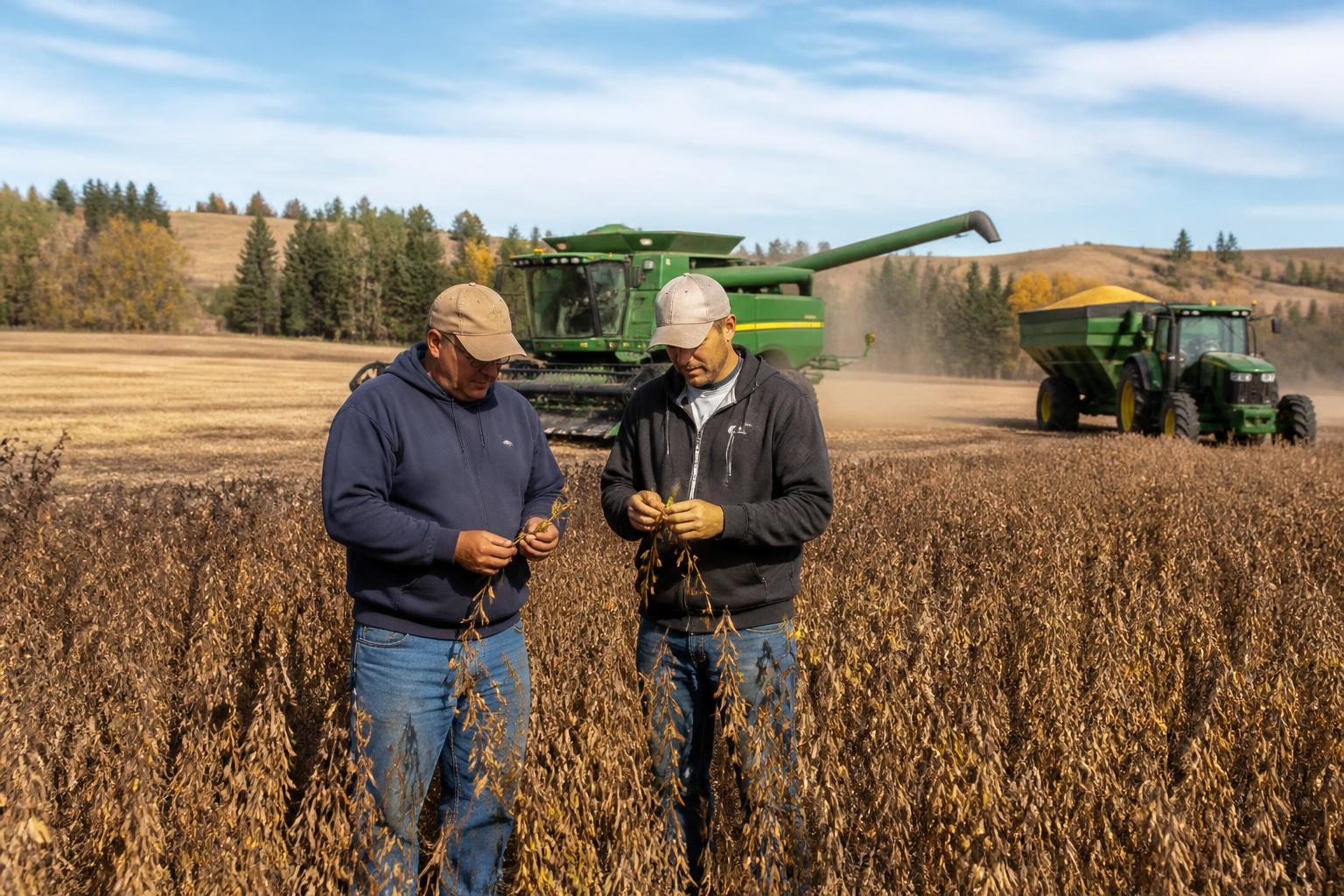
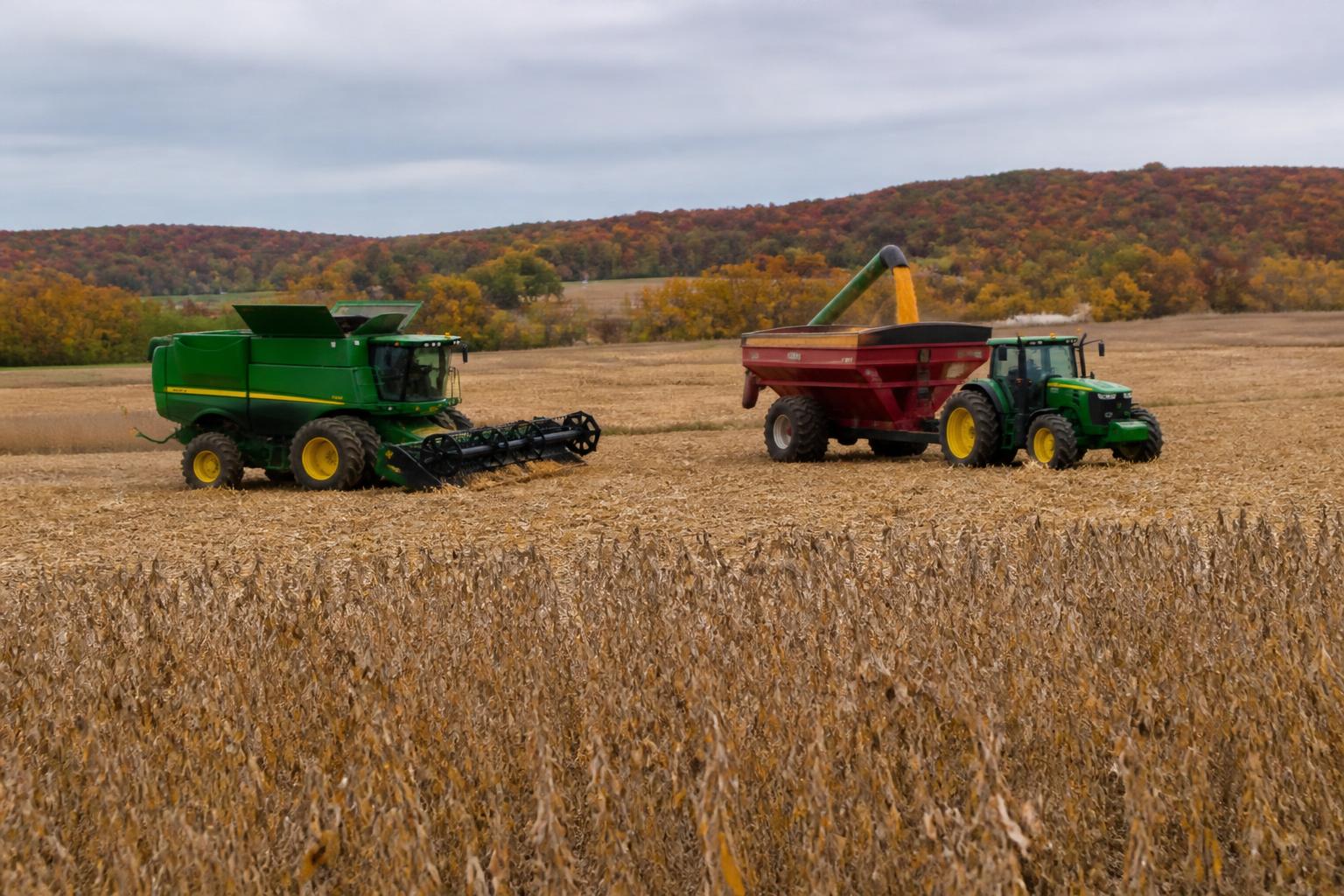
As summer operations peak in North Dakota, growers are balancing machinery maintenance with evolving input strategies and infrastructure planning.
Washington producers are evaluating the impact of federal labeling standards and shifting trade policies on their seasonal input management and long-term protection strategies.
As Indiana farmers navigate mid-summer field conditions, prioritizing cost-efficiency and proactive marketing strategies remains essential for long-term farm profitability.
Sign in to manage requests, save contacts and respond to market offers quickly.
Continue with Google Continue with MicrosoftSign in to manage requests, save contacts and respond to market offers quickly.
Continue with Google Continue with MicrosoftEnter your email and we will send a password reset link.
Don't have an account?
We value your privacy
We use cookies to run the site and, with your consent, to measure traffic (Google Analytics) and personalize ads. You can accept, reject, or choose. Privacy Policy