
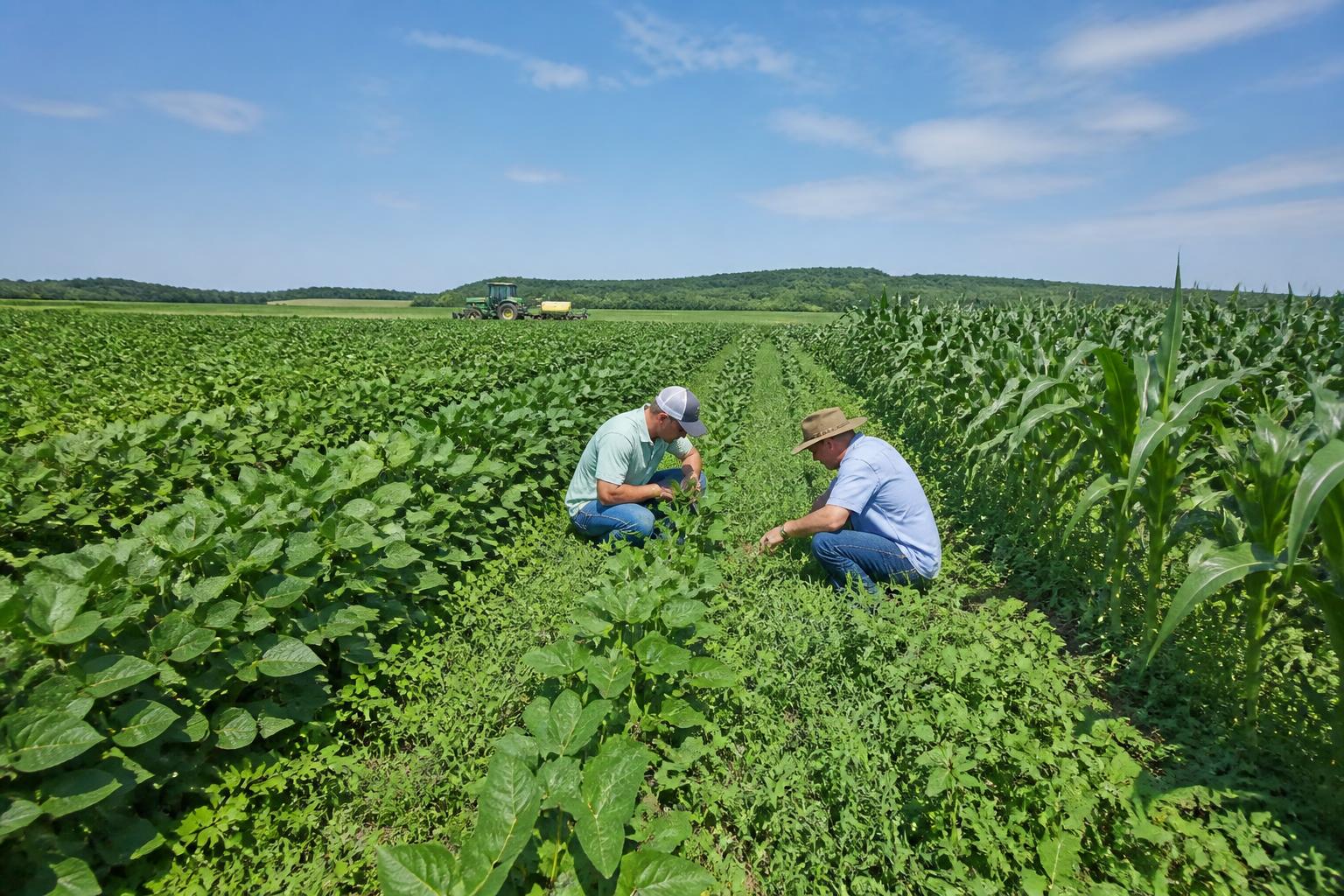
As Washington agriculture moves deeper into the summer season, growers are navigating a complex landscape defined by both federal regulatory updates and broader trade volatility. For producers across the state, from the irrigated fields of the Columbia Basin to the wheat-heavy plateaus of the Palouse, managing operational risk remains a top priority. Recent developments in federal policy, particularly surrounding labeling standards, are prompting many to re-examine their long-term crop protection and risk management frameworks.
Federal Labeling and Market Clarity
A recent Supreme Court decision supporting federal labeling preemption provides a clearer baseline for manufacturers and growers alike. For Washington farmers who frequently source specialized inputs, this move toward centralized standards may reduce the uncertainty often associated with varied state-level requirements. However, producers should remain diligent in monitoring how these federal alignments affect the availability and cost of specialized applications as the season progresses.
Trade Volatility and Input Logistics
While diesel prices have shown some easing, allowing for more manageable transport costs during the peak of summer, regional logistics remain sensitive to broader geopolitical shifts. Recent reports of potential tariff escalations on trade with Canada underscore the importance of securing essential supplies early. For many, maintaining stable access to fertilizer and other critical inputs is essential, especially as international trade tensions threaten to disrupt supply chains that are vital to Pacific Northwest production.
Sustainability as a Risk Hedge
Beyond immediate regulatory and trade concerns, there is growing interest in how soil management practices can serve as a buffer against market instability. Emerging research on the environmental benefits of cover crops suggests that these practices may offer more than just soil health advantages; they also represent a strategic move toward operational resilience. By reducing dependency on external inputs, growers in some parts of the state are finding that adapting their field management strategies can lead to more predictable outcomes in a volatile economic environment.
What it means for the market
The convergence of simplified federal labeling, fluctuating trade relations, and a shift toward resilient, low-input farming practices suggests that Washington producers are in a period of strategic transition. Market participants should prioritize supply chain security and stay informed on how federal appointments and infrastructure legislation might impact the cost of doing business in the coming months. Staying agile in procurement and focusing on long-term soil health will likely remain the most effective ways to insulate operations from external economic shocks.
Comments
No comments yet - be the first to share your take.