
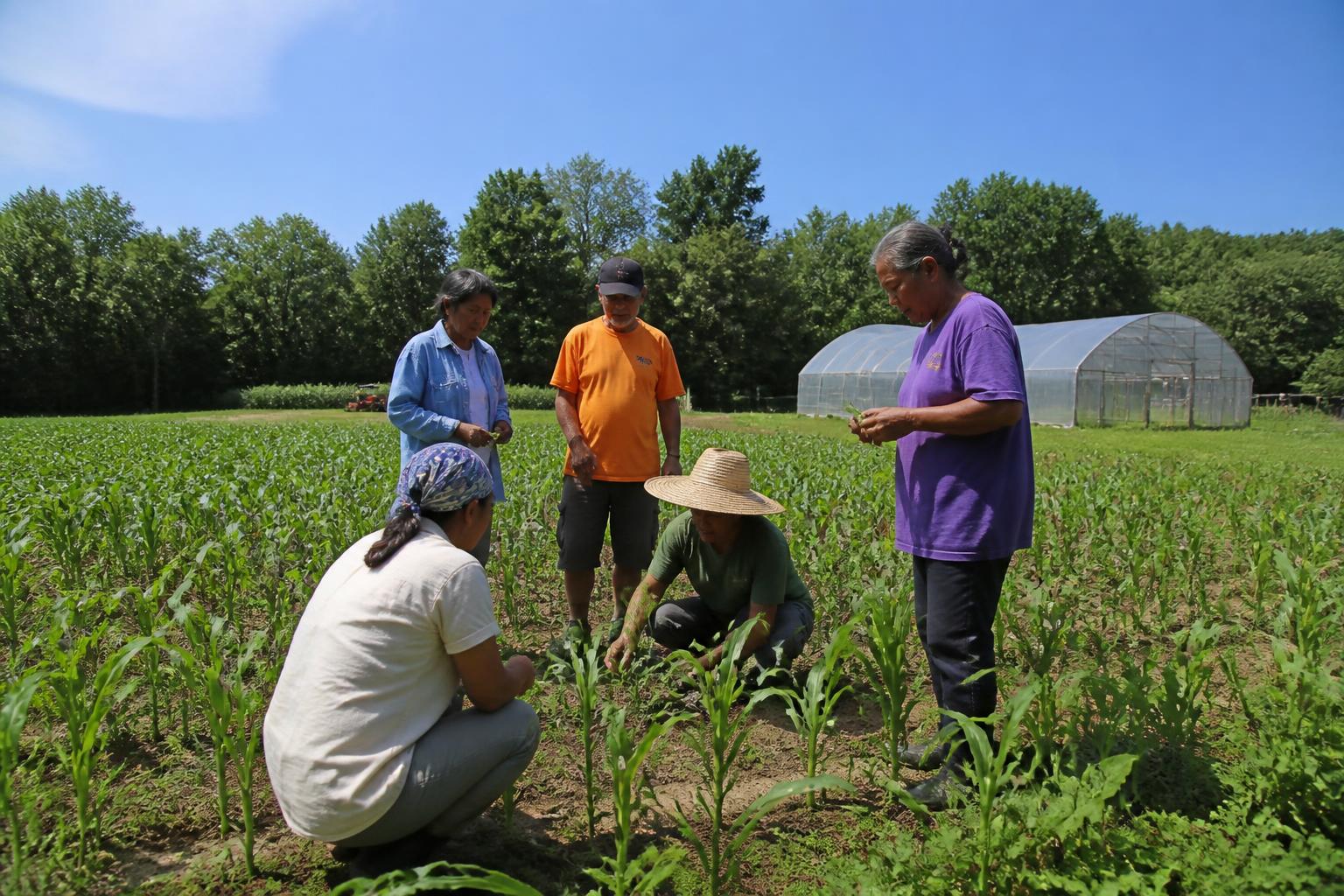
Rhode Island agriculture faces a shifting landscape this summer as state officials confirm the arrival of the spotted lanternfly. This invasive pest poses a significant challenge to local producers, particularly those operating near major transit corridors and distribution hubs. For growers, this means that routine field protection measures must now be scaled to address not just traditional pests, but this high-impact, spreading threat.
Monitoring and Transport Vigilance
The discovery of the spotted lanternfly necessitates a proactive approach to farm biosecurity. As mid-summer heat persists, the insect's movement can often coincide with local transport cycles. For farmers and handlers, this underscores the importance of inspecting machinery and cargo before leaving fields. Given the state's tight geography, the spread of the insect could affect a wide range of agricultural operations, from specialty crop nurseries to local orchards.
Strategic Shifts in Production and Logistics
Amidst these challenges, some producers are revisiting their operational frameworks. While high-tech greenhouse operations continue to see success by focusing on hyper-local production, the broader agricultural community is weighing crop shifts and land management strategies to maintain viability. These adjustments are critical as farmers balance the need for reliable output with rising pressure from both environmental shifts and new invasive species.
What it means for the market
For the Rhode Island market, the immediate priority is containment. Producers should expect increased scrutiny regarding transport and movement of agricultural goods as regional authorities refine management protocols. Maintaining clean logistics and keeping up with summer transport realities will be essential to mitigating potential economic disruption. Farmers are encouraged to report sightings to the Department of Environmental Management to assist in tracking the insect's spread across the state's diverse agricultural zones.
Comments
No comments yet - be the first to share your take.