Optimizing Mid-Season Crop Protection in New York: Strategies for 2026
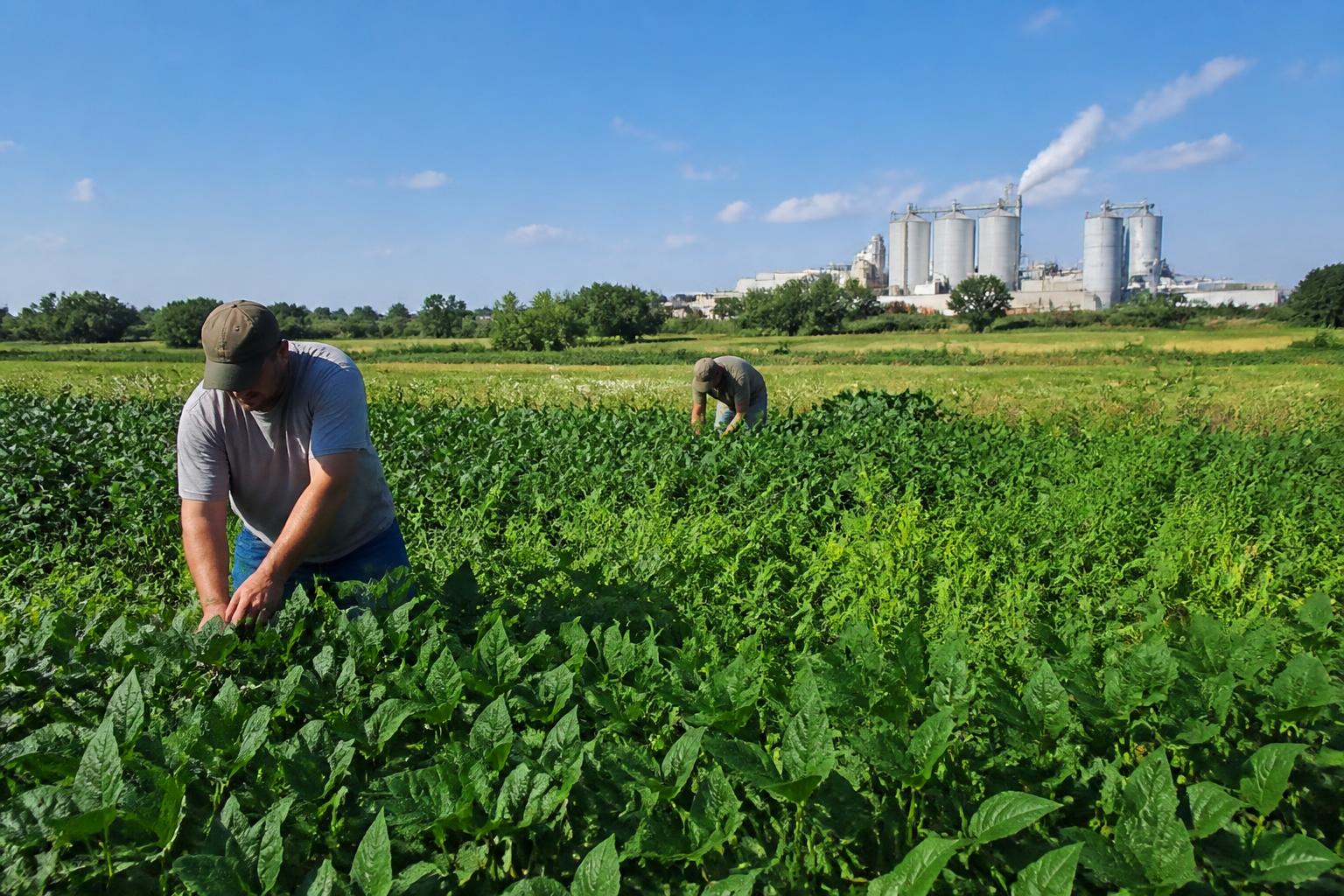
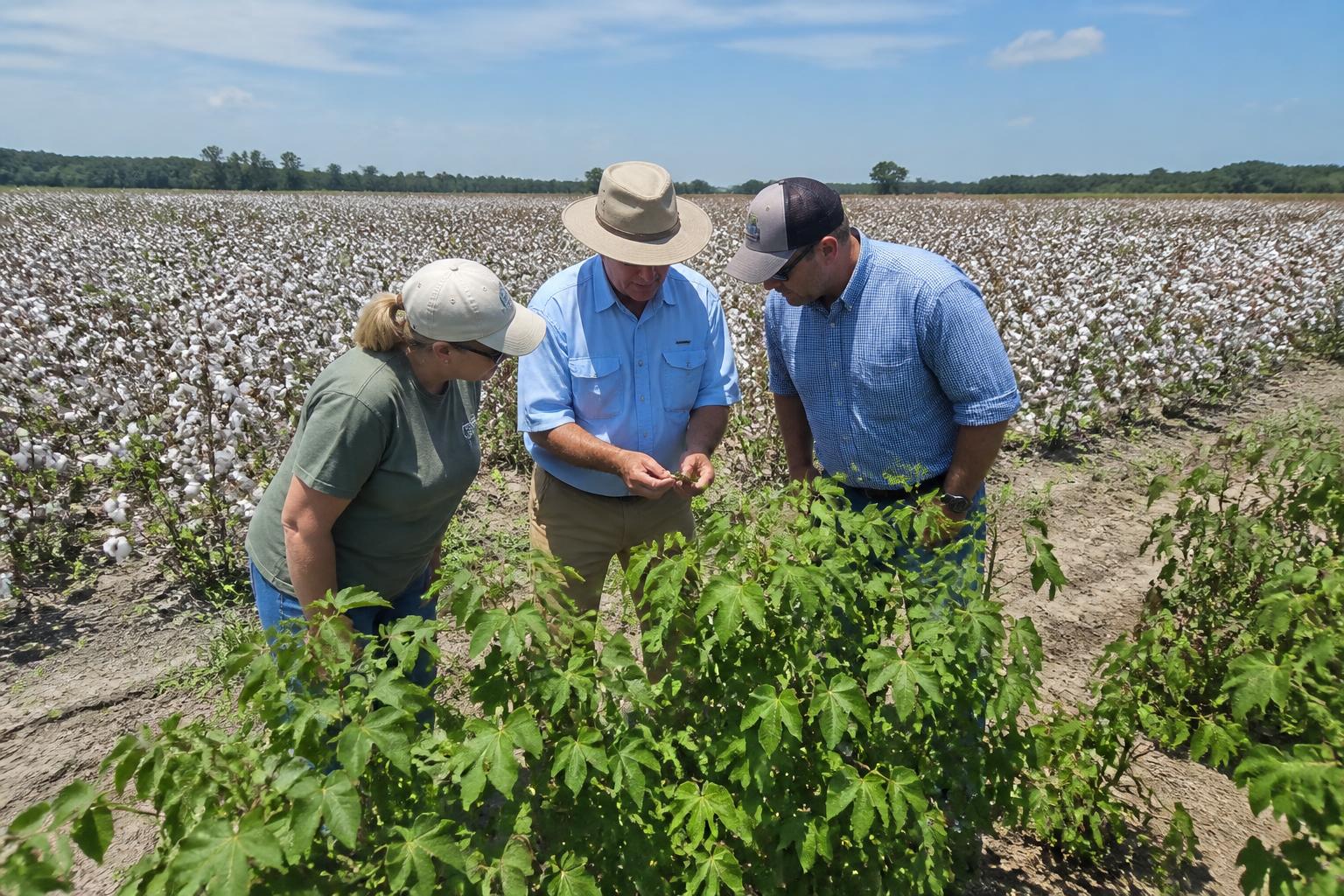
As New York farmers navigate mid-summer growth stages, shifting market demands and input availability require a tactical approach to crop protection budgeting and application.
We collect original digests and analytical notes based on facts, market signals and verified sources.
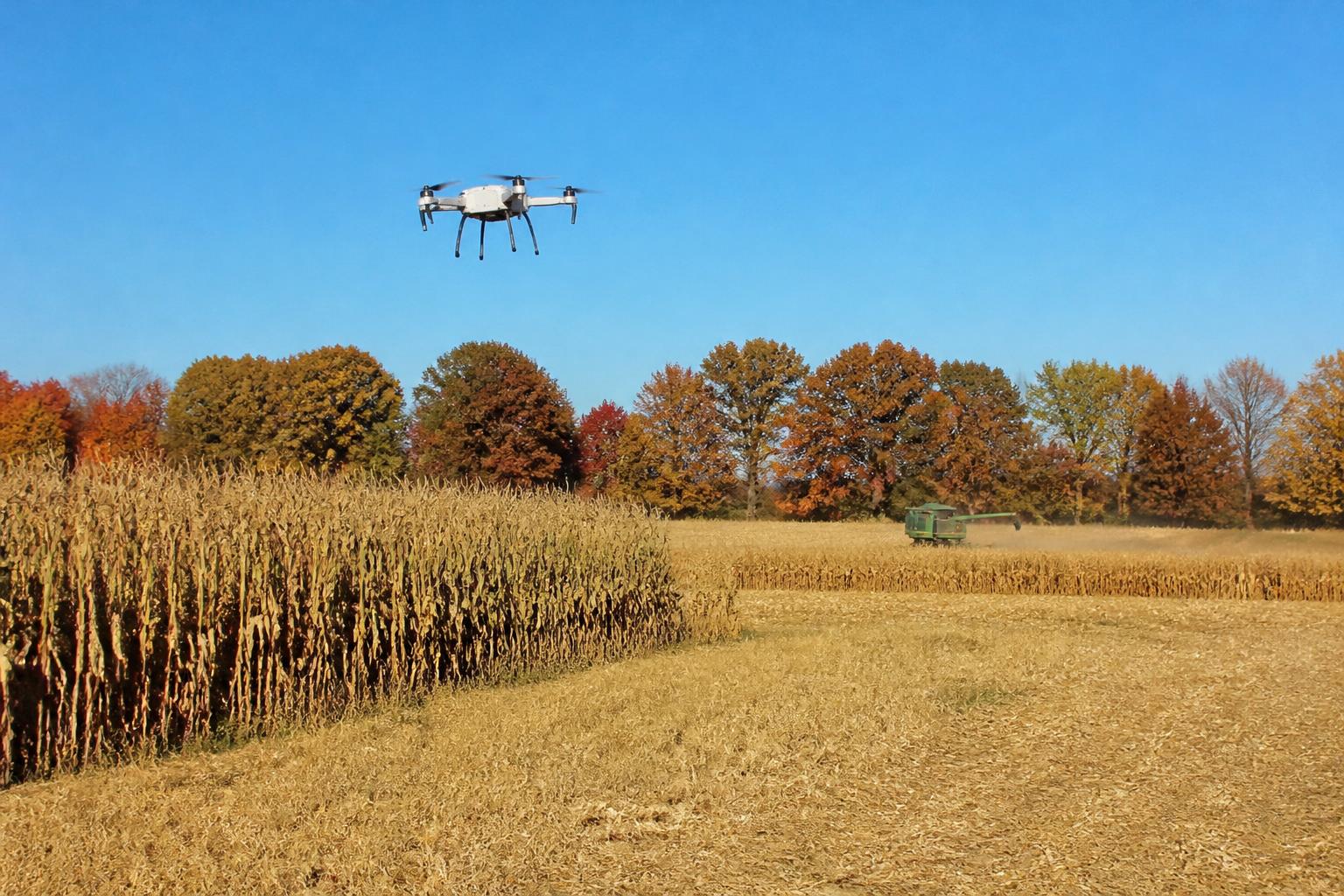
As Massachusetts growers navigate a changing regulatory environment and climate challenges, new investments in drone technology and evolving pesticide policies are reshaping local crop protection strategies.
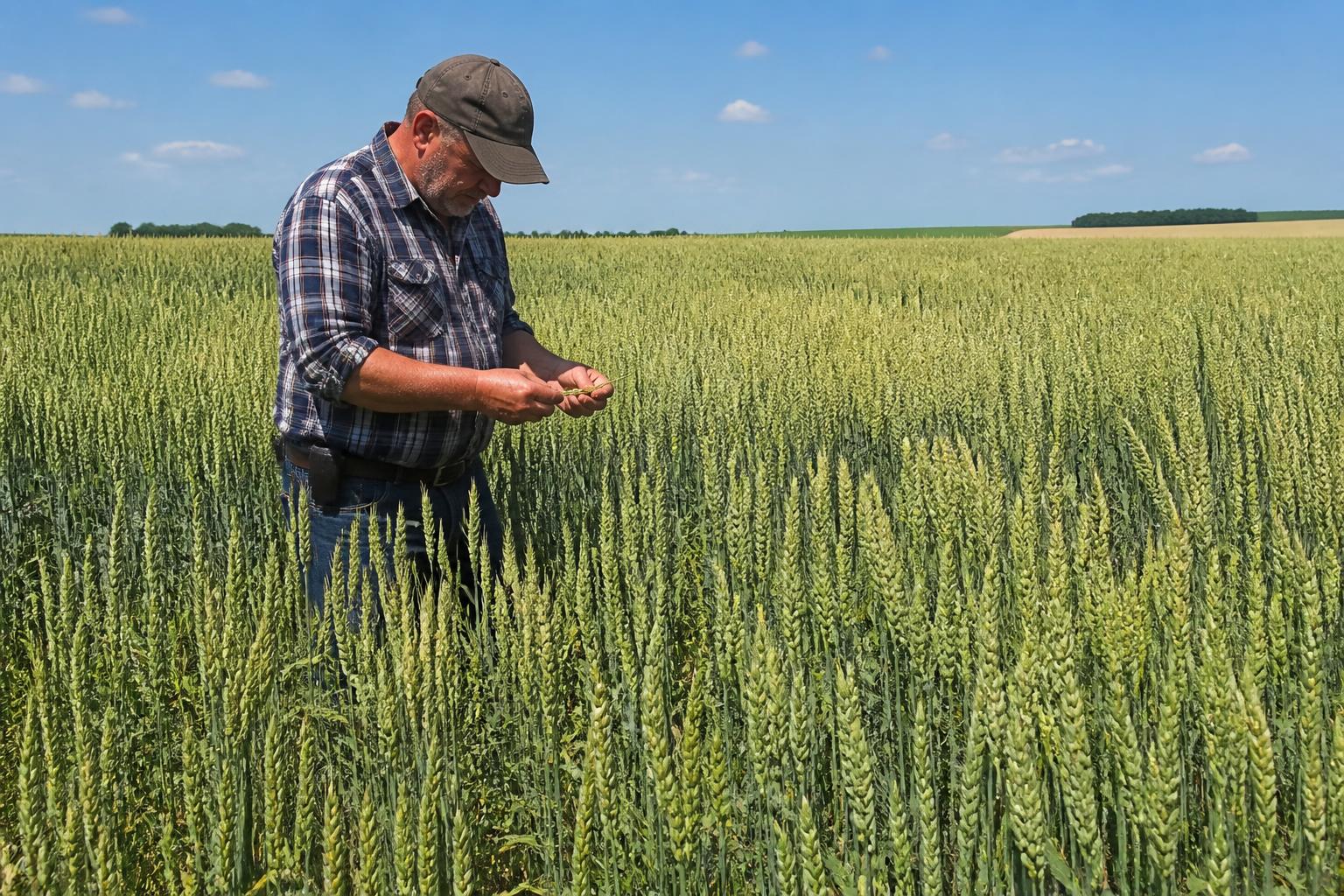
As New York farmers navigate mid-summer growth stages, shifting market demands and input availability require a tactical approach to crop protection budgeting and application.
As Indiana's summer crops progress, farmers face increasing pressure from disease risks while local infrastructure investments, such as new feed mill capacity, offer long-term support for state grain markets.
As Alabama producers navigate a complex summer season, evolving legislative shifts and infrastructure challenges are shaping the local agricultural landscape.
Idaho farmers are navigating a complex summer, managing persistent weed threats, animal health challenges, and shifting regulatory landscapes that impact long-term operational sustainability.
Recent regulatory adjustments regarding dicamba application deadlines in southeast Missouri impact late-season weed control strategies for regional producers.
As South Dakota crops reach critical mid-summer growth stages, producers are balancing input management with shifting regional logistics and regulatory considerations.
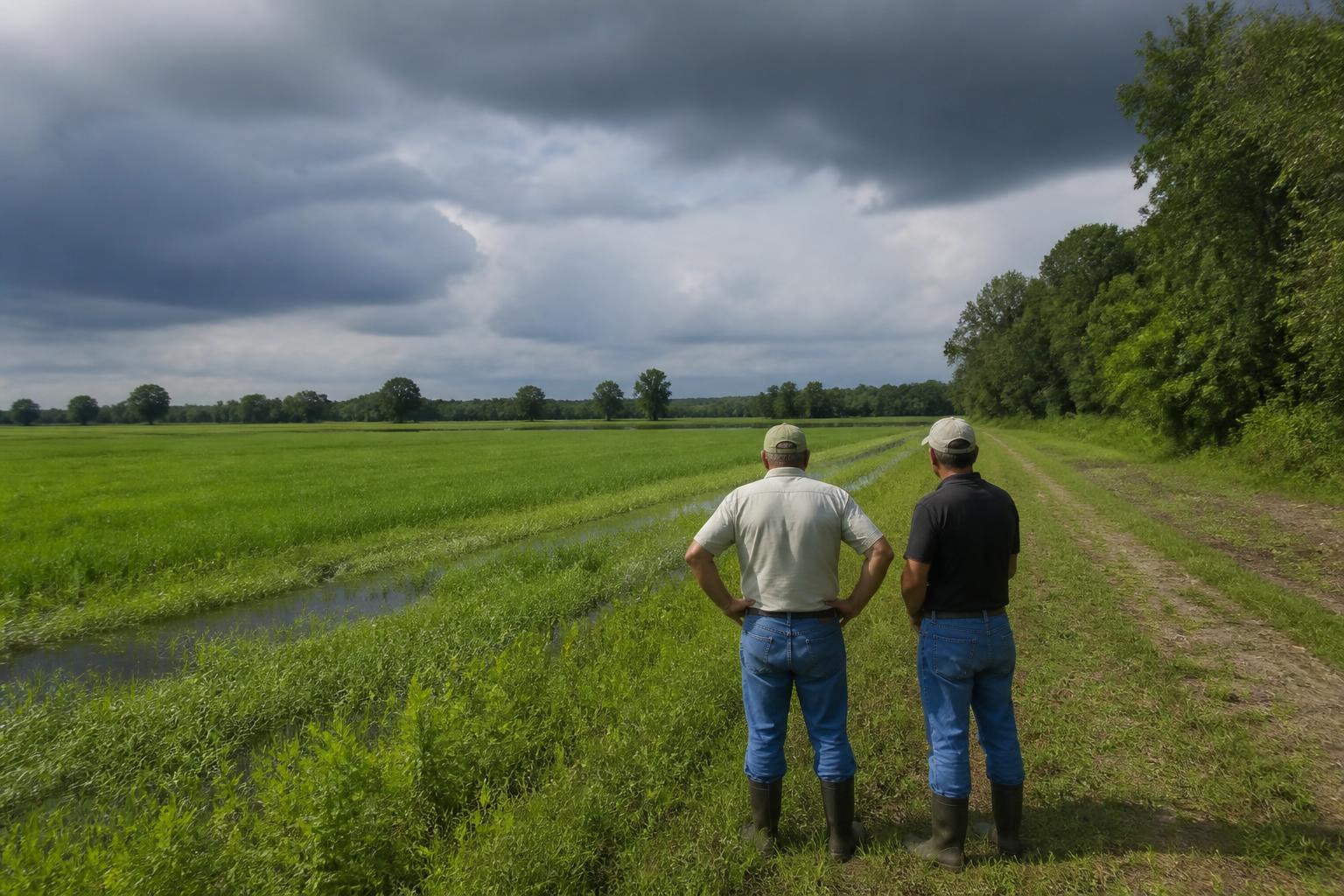
As Louisiana producers navigate a wet summer, crop protection efforts remain critical to manage emerging threats like fungicide-resistant Rhizoctonia and invasive species in rice paddies.
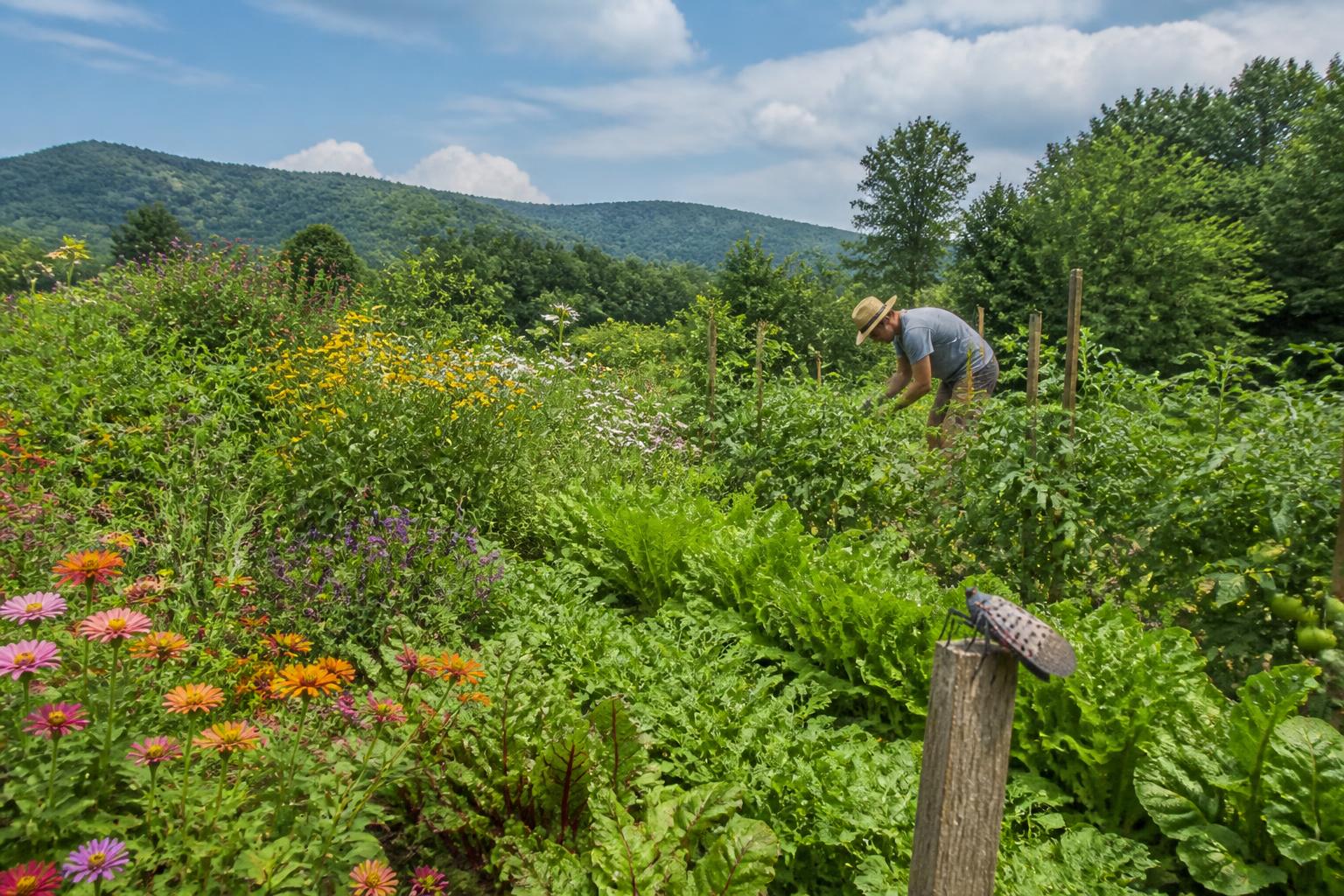
West Virginia producers face increasing pressure from the spotted lanternfly, necessitating vigilant scouting and proactive management to safeguard local harvest yields this season.
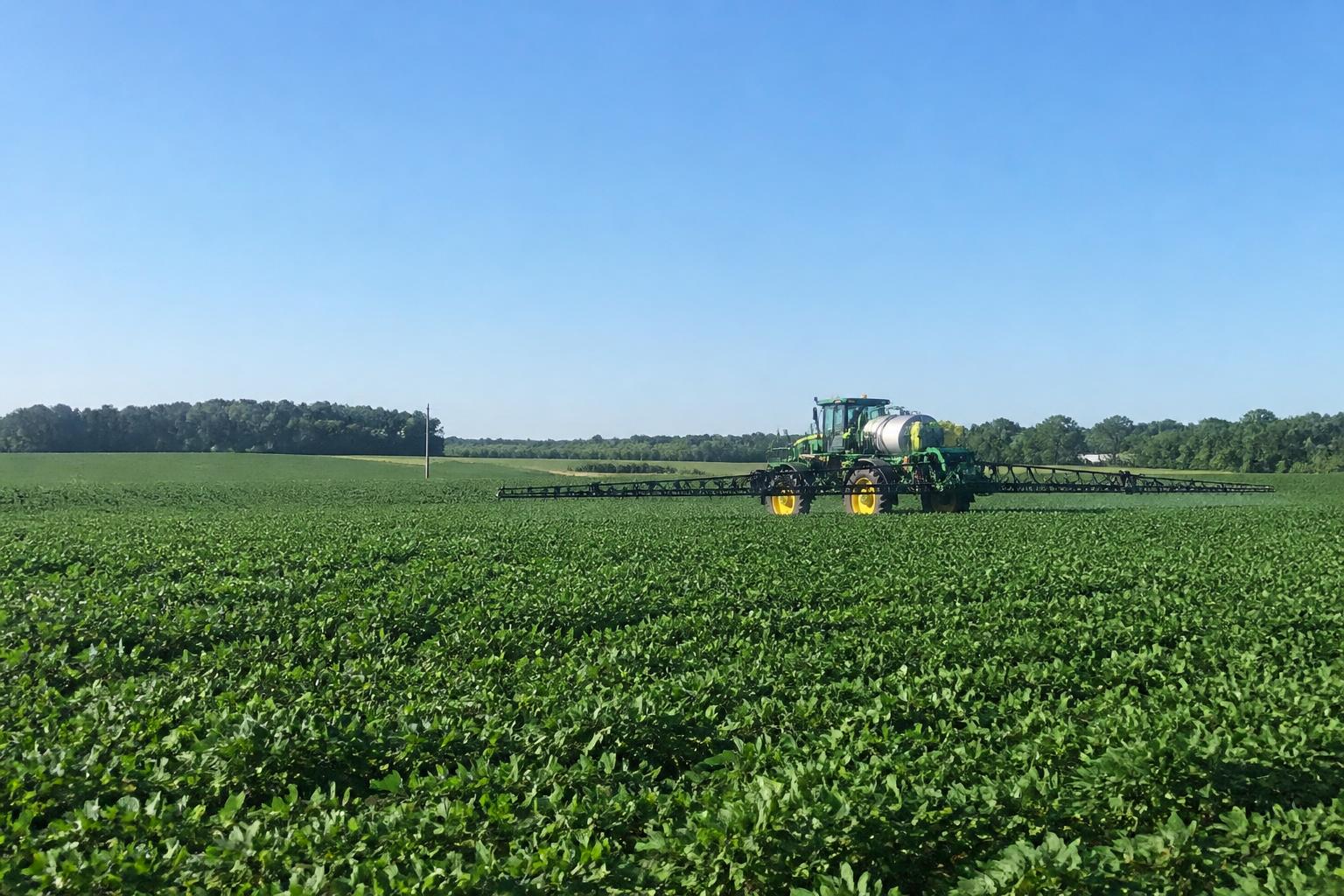
As summer weed pressure intensifies across North Dakota, manufacturers reaffirm the ongoing role of glyphosate in integrated crop protection plans.
Rhode Island producers are on high alert as the spotted lanternfly enters the state, threatening local crops and requiring immediate vigilance in field and logistics management.
Massachusetts farmers are increasingly turning to biological and precision-based crop protection strategies to manage mid-summer pest pressures and enhance long-term sustainability.
As Minnesota farmers navigate mid-summer agronomic challenges, staying informed on evolving state-specific herbicide regulations and integrated pest management is critical for protecting yields.
Sign in to manage requests, save contacts and respond to market offers quickly.
Continue with Google Continue with MicrosoftSign in to manage requests, save contacts and respond to market offers quickly.
Continue with Google Continue with MicrosoftEnter your email and we will send a password reset link.
Don't have an account?
We value your privacy
We use cookies to run the site and, with your consent, to measure traffic (Google Analytics) and personalize ads. You can accept, reject, or choose. Privacy Policy