Kentucky Input Markets: Localized Fertilizer Growth and Infrastructure Shifts
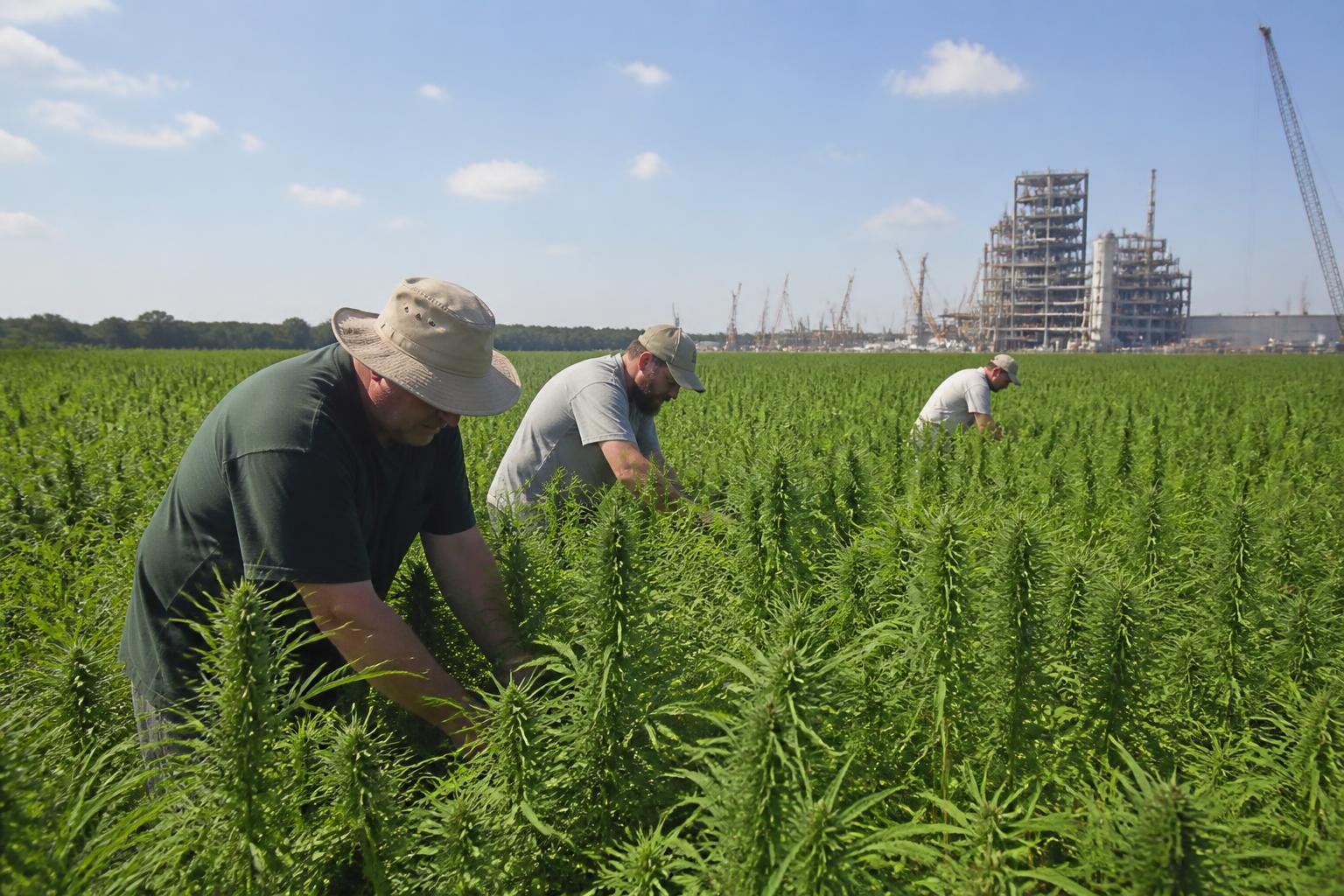
Kentucky's agricultural landscape is evolving with significant new production facilities and a focus on stabilizing regional supply chains for specialty and row crops.
We collect original digests and analytical notes based on facts, market signals and verified sources.
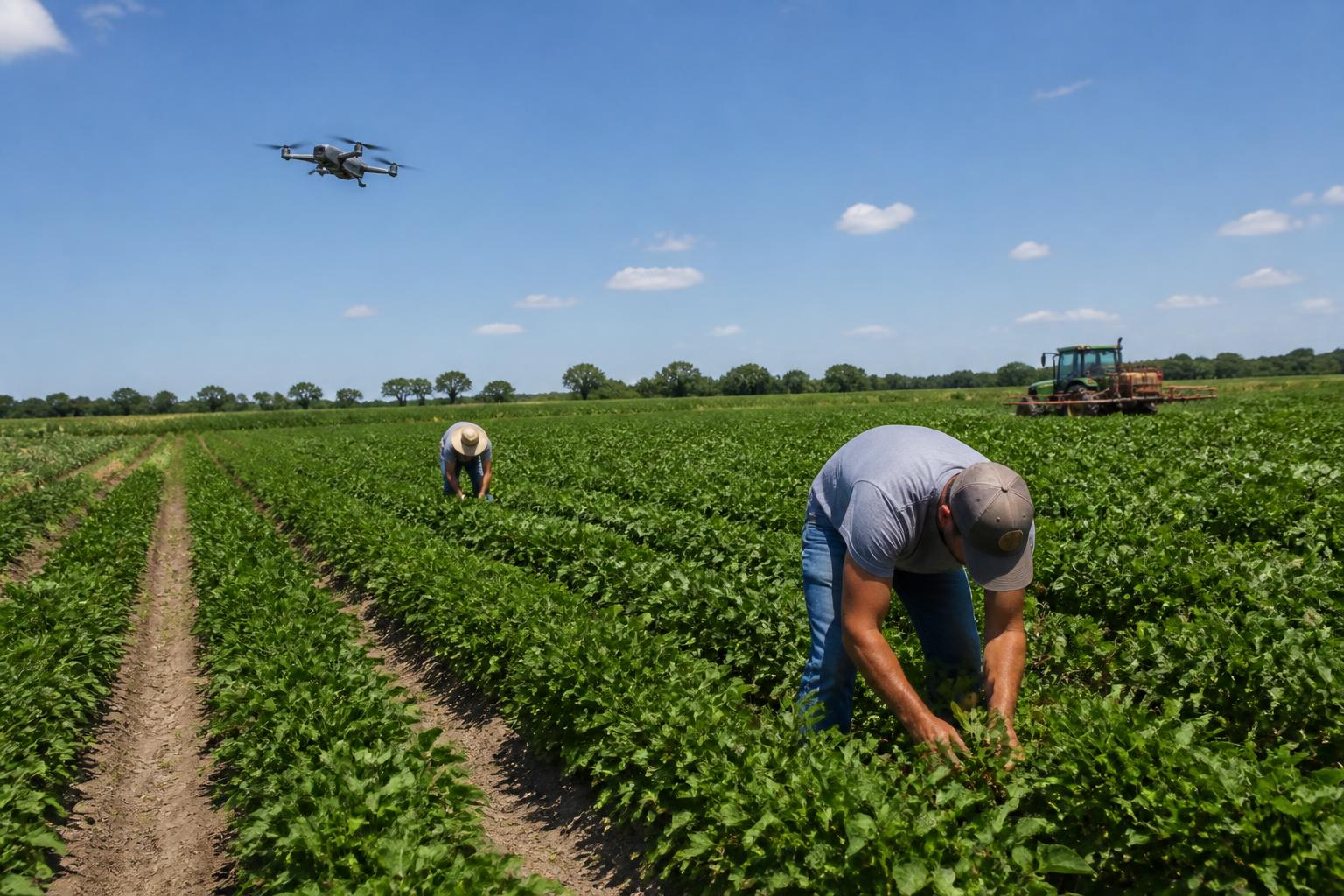
Nevada producers are focusing on resource efficiency and soil health as the fall season nears its end, with controlled-release technologies and specialty crop funding shaping local strategies.
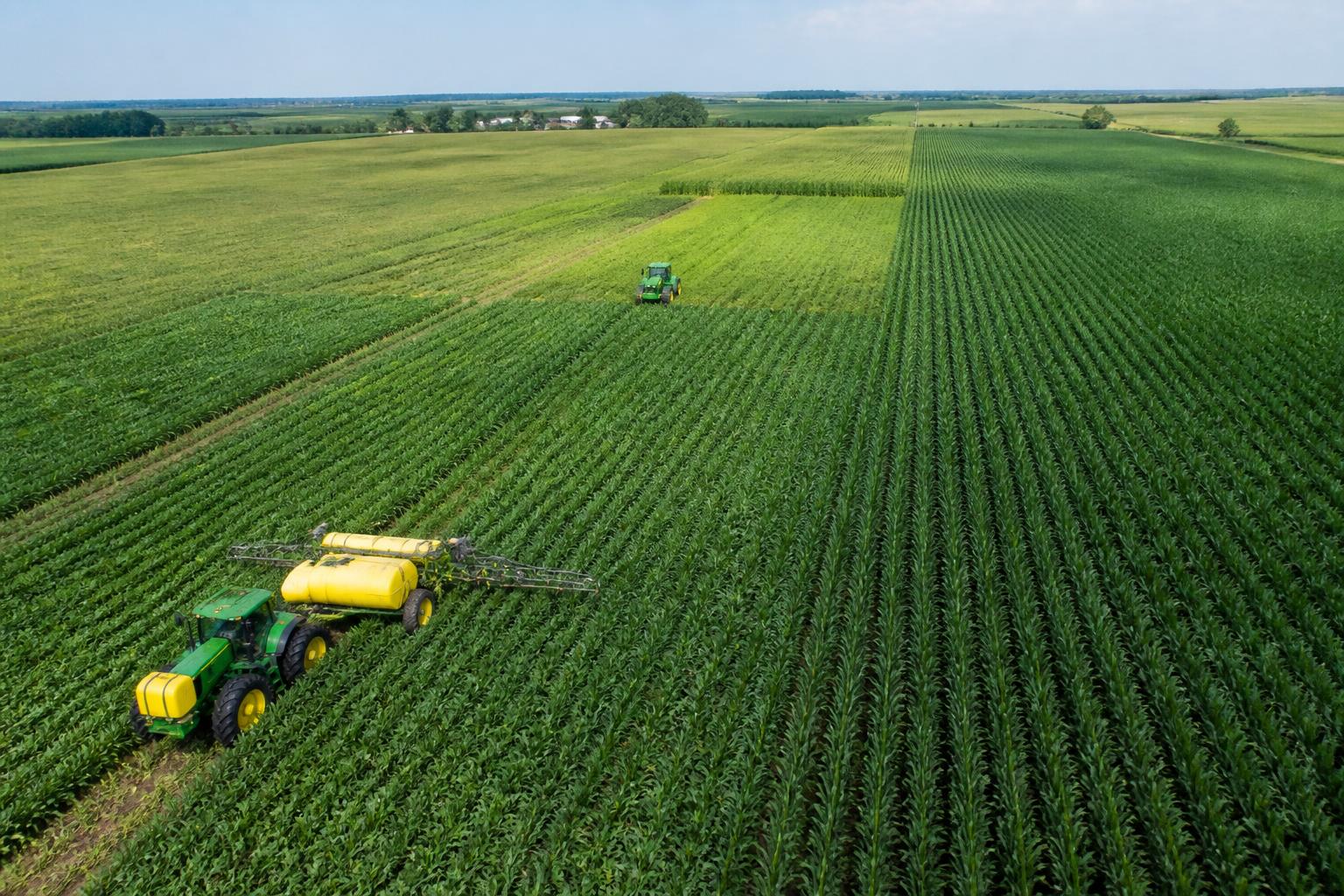
Kentucky's agricultural landscape is evolving with significant new production facilities and a focus on stabilizing regional supply chains for specialty and row crops.
As Idaho producers balance rising input costs, the state's fertilizer market sees new shifts in ownership, sustainable extraction technologies, and regulatory discussions.
Utah producers are evaluating shifting fertilizer market dynamics as tariff adjustments and sustained drought conditions influence seasonal input procurement strategies.
As Maryland growers head into mid-summer, fertilizer price instability and shifting supply chains are forcing producers to prioritize budget efficiency and long-term nutrient management.
As Florida producers manage summer growing conditions, shifts in input accessibility and evolving market conditions highlight the need for strategic supply chain management.
As Delaware producers navigate the heart of the summer season, shifting global fertilizer demand and international supply chain tensions are creating a complex landscape for local input procurement.
As summer operations hit their stride, New Jersey growers are balancing nutrient management with heightened vigilance regarding farm equipment and technology security.
As Virginia agriculture enters the height of the summer season, growers and agribusinesses are evaluating their nutrient management strategies amid shifting logistical capabilities and ongoing operational cost pressures.
Pennsylvania producers are navigating a complex summer landscape as input supply chain pressures and emerging crop health challenges require tactical nutrient management.
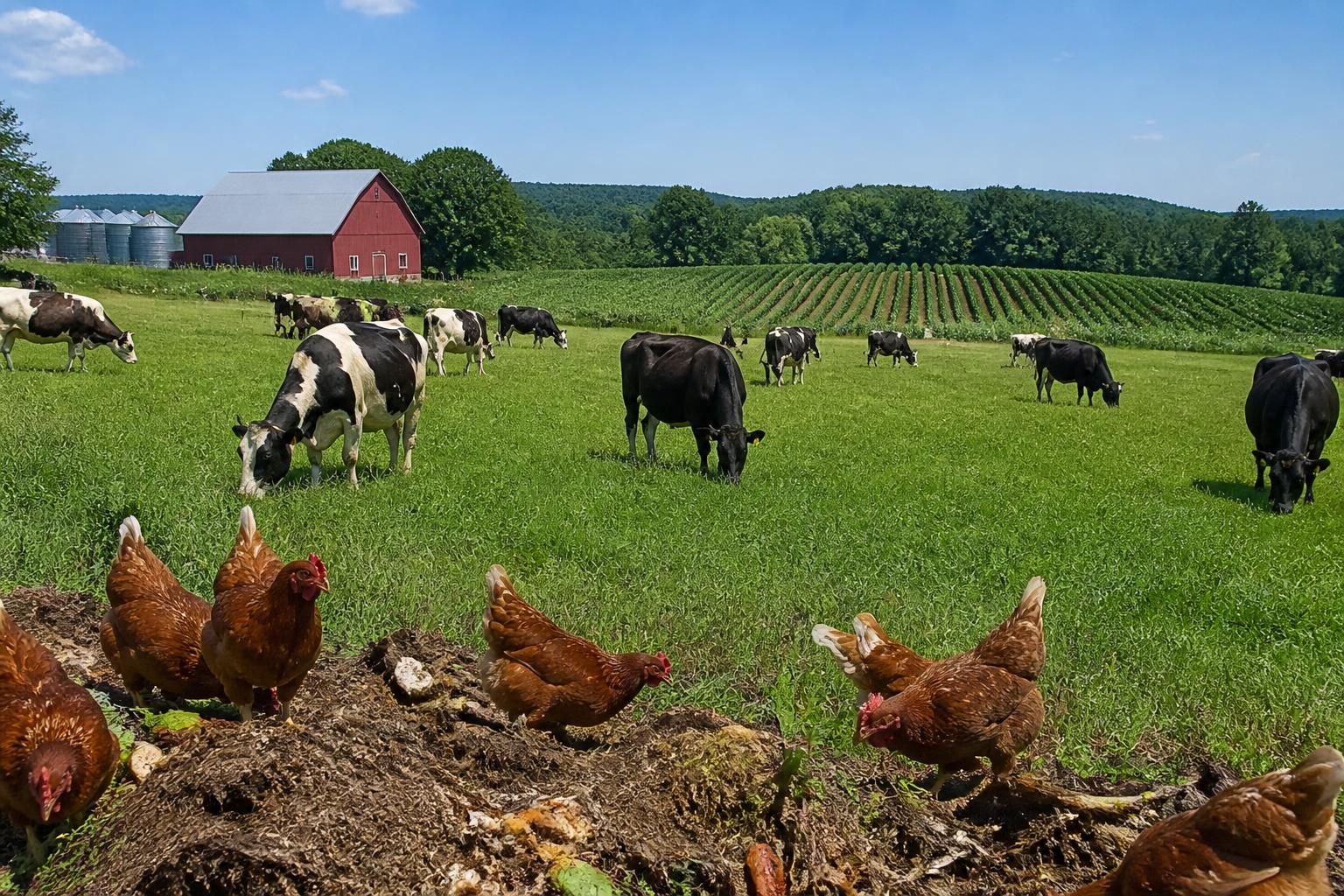
Vermont producers are increasingly exploring circular nutrient management and regenerative practices as they navigate rising input costs and environmental stewardship goals.
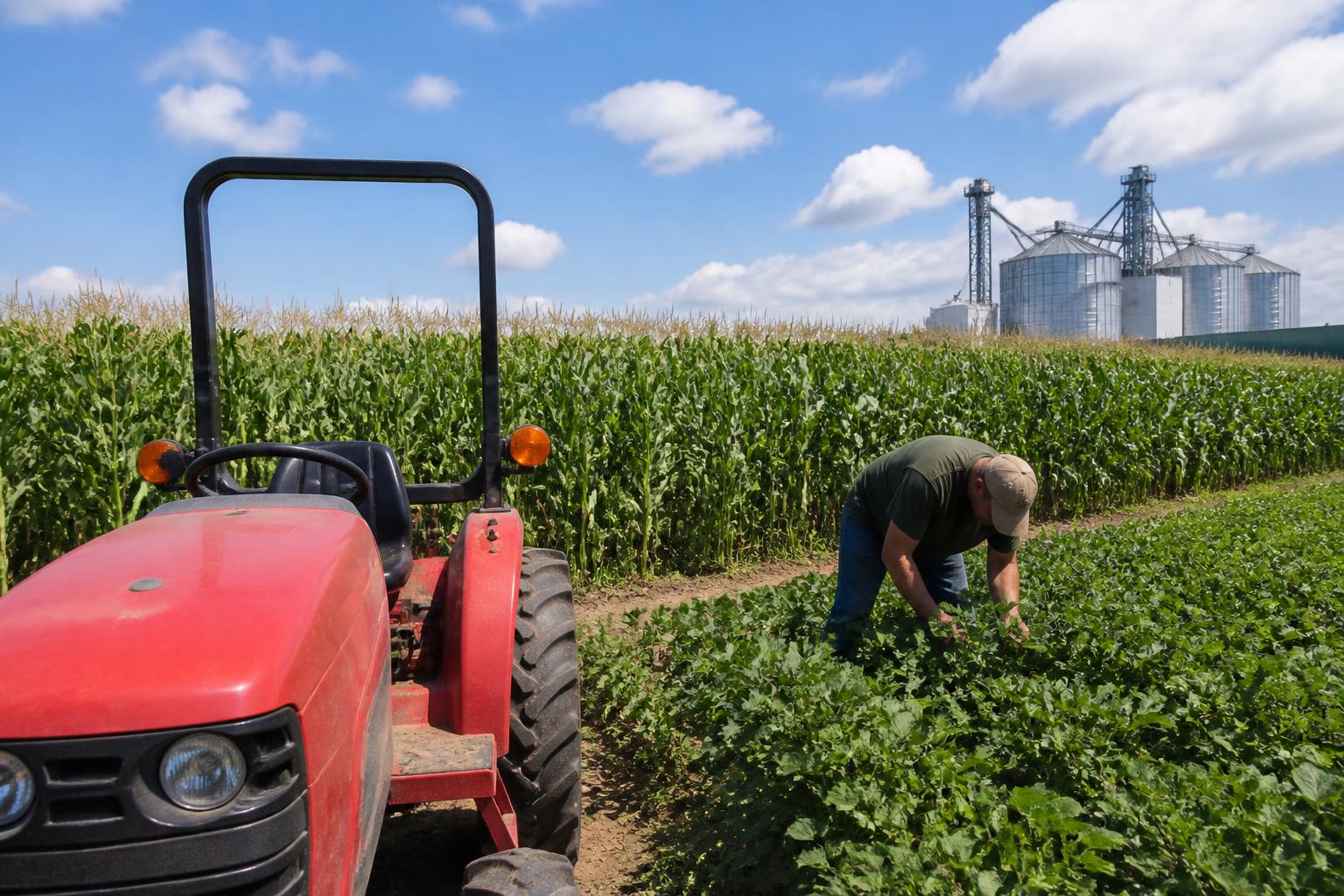
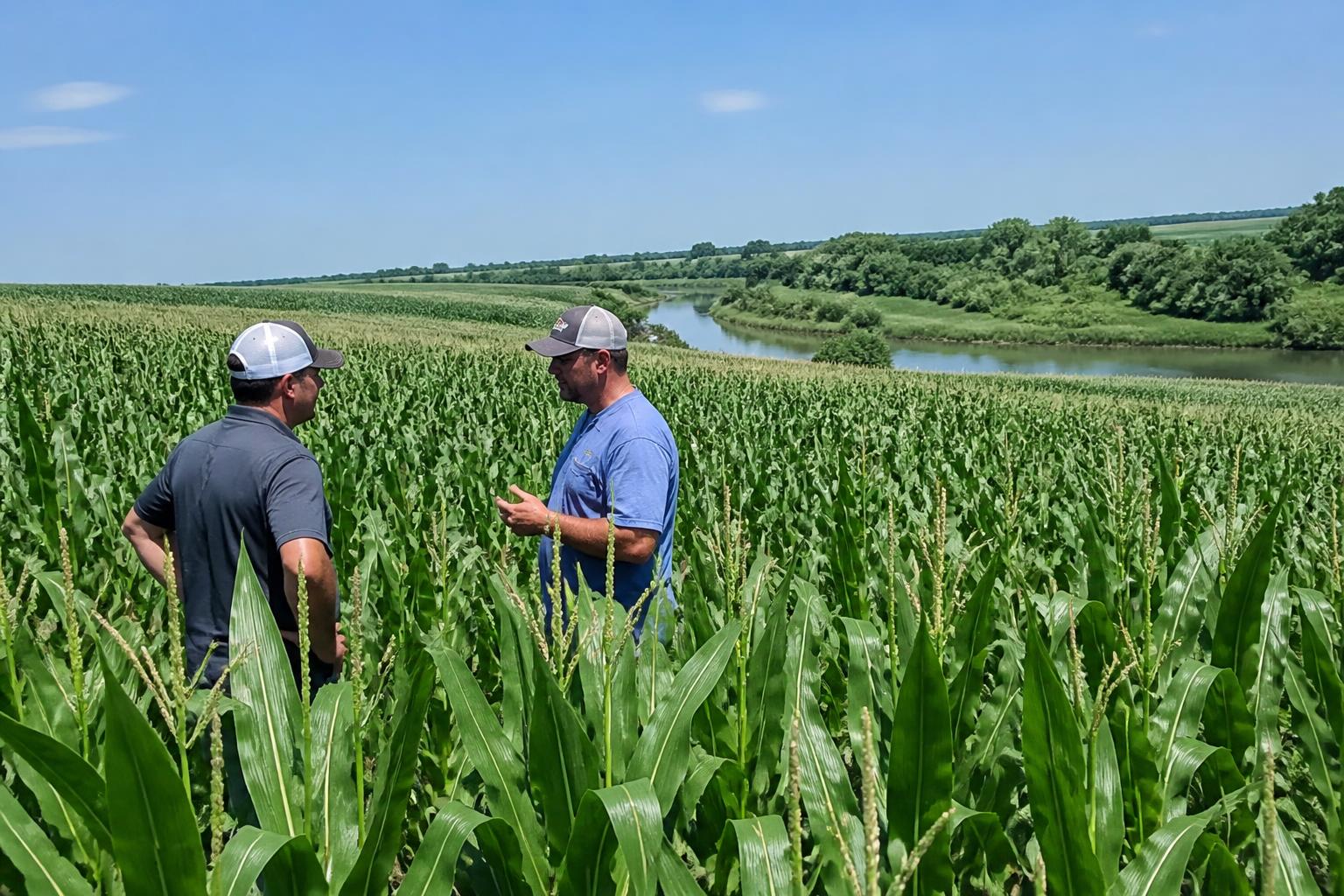
Minnesota producers are balancing high input management strategies with evolving water quality standards as the mid-summer season reaches peak crop development.
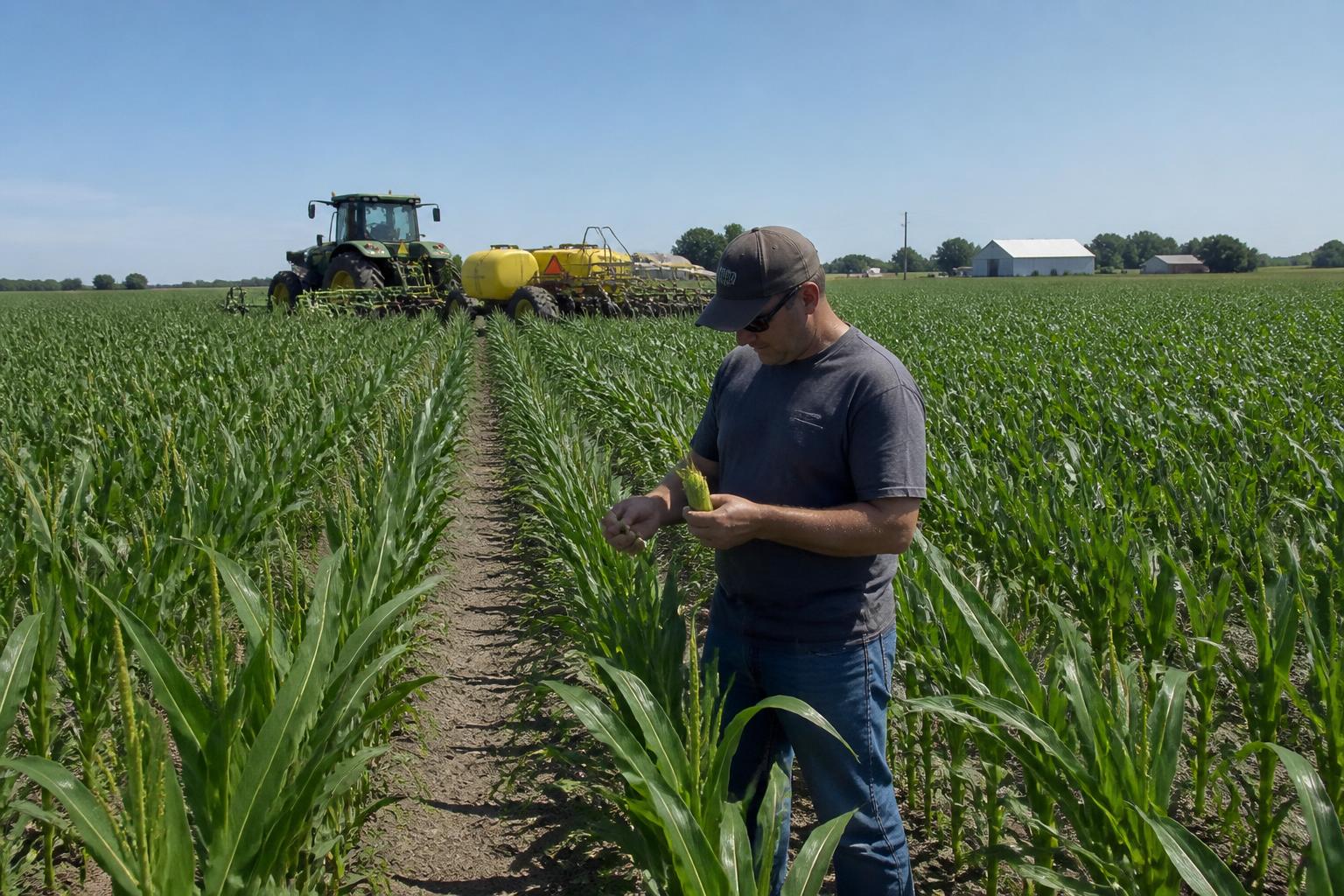
Illinois producers are balancing nitrogen fertilizer costs and trade policy expectations as they navigate the current mid-summer growing season.
Sign in to manage requests, save contacts and respond to market offers quickly.
Continue with Google Continue with MicrosoftSign in to manage requests, save contacts and respond to market offers quickly.
Continue with Google Continue with MicrosoftEnter your email and we will send a password reset link.
Don't have an account?
We value your privacy
We use cookies to run the site and, with your consent, to measure traffic (Google Analytics) and personalize ads. You can accept, reject, or choose. Privacy Policy