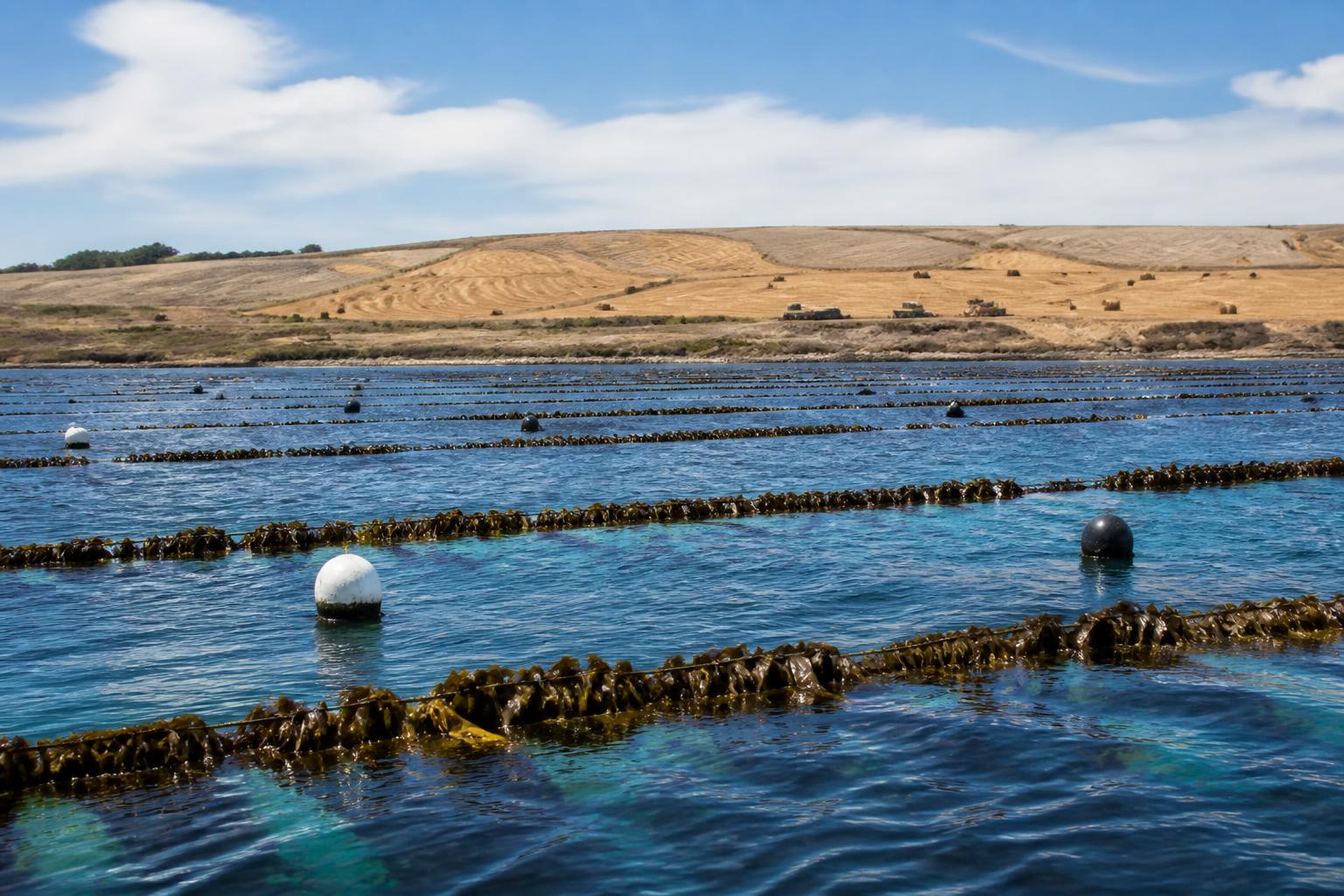
Strengthening Alaska's Biosecurity Measures as Harvest Season Peaks
As Alaska's fall harvest progresses, regional producers and officials are intensifying biosecurity efforts to protect local crop viability and long-term agricultural stability.
We collect original digests and analytical notes based on facts, market signals and verified sources.
As fall operations wind down, Maine producers are managing regional supply chain complexities and adjusting to broader market shifts impacting agricultural output.
As Alaska's fall harvest progresses, regional producers and officials are intensifying biosecurity efforts to protect local crop viability and long-term agricultural stability.
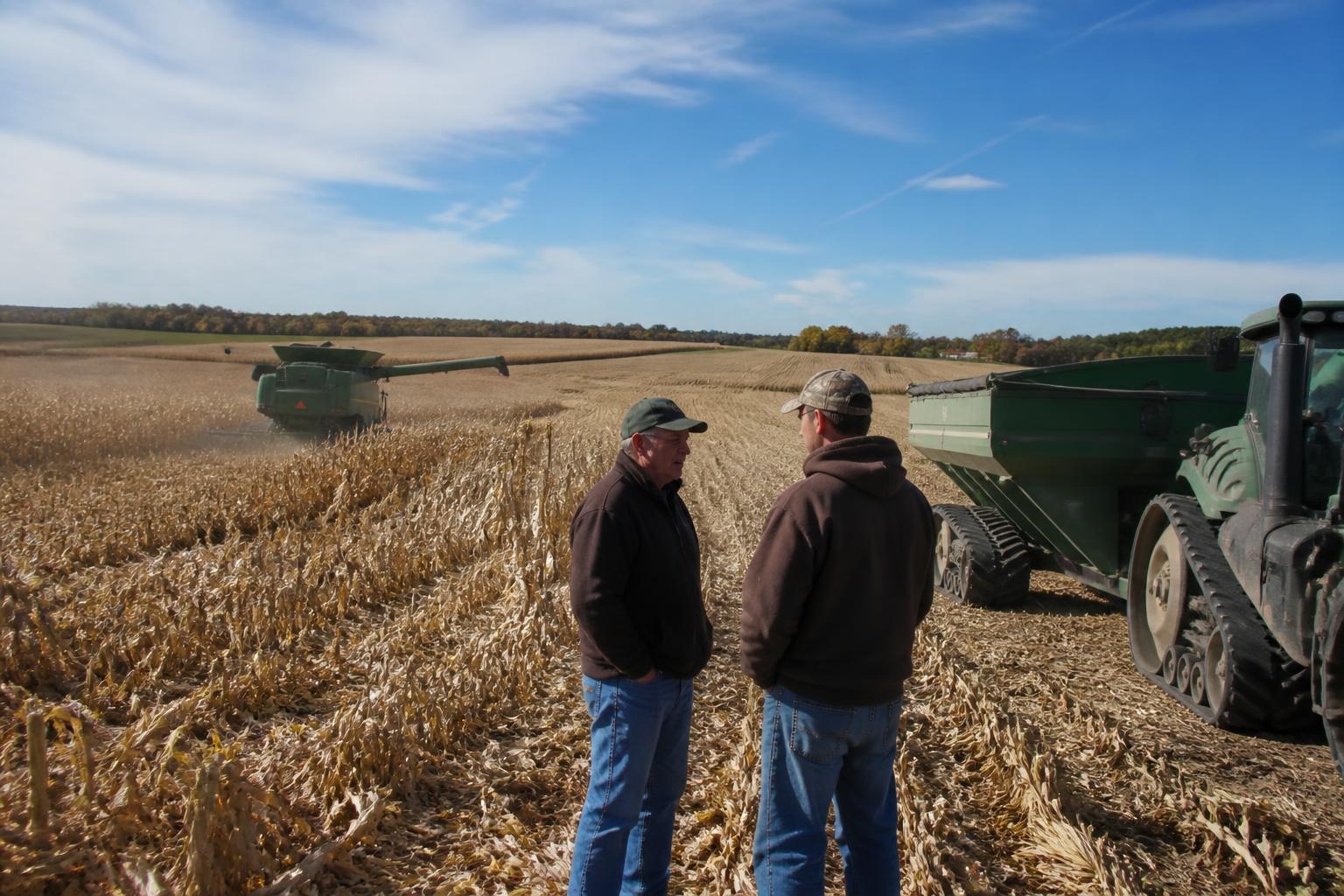
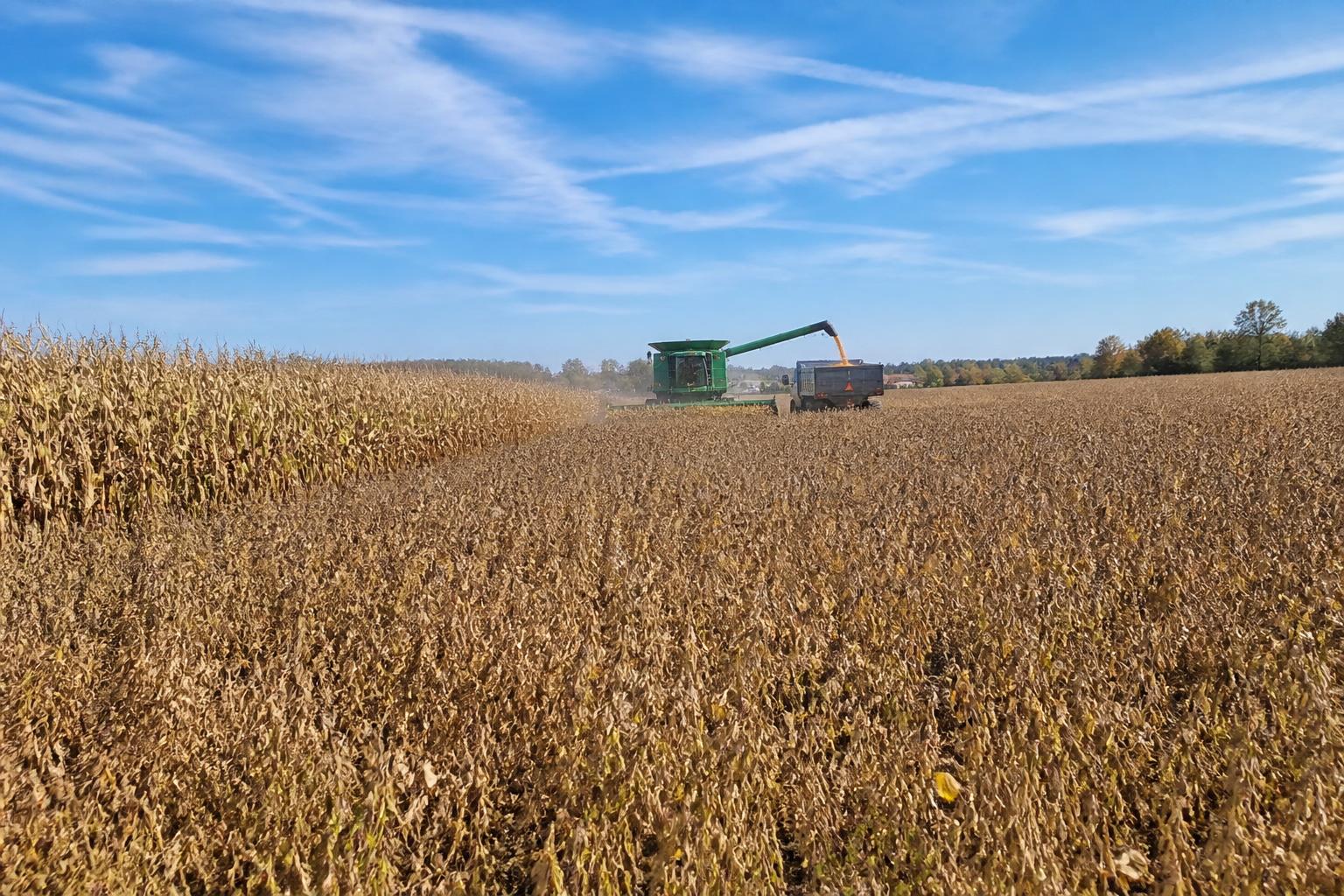
As fall harvest approaches in Missouri, growers are weighing crop yields against shifting export demands and ongoing logistics improvements along river corridors.
As Maryland moves deeper into the fall harvest, regional logistical networks face ongoing pressure. Growers and grain handlers are navigating a complex transportation landscape that requires proactive planning for efficient crop movement.
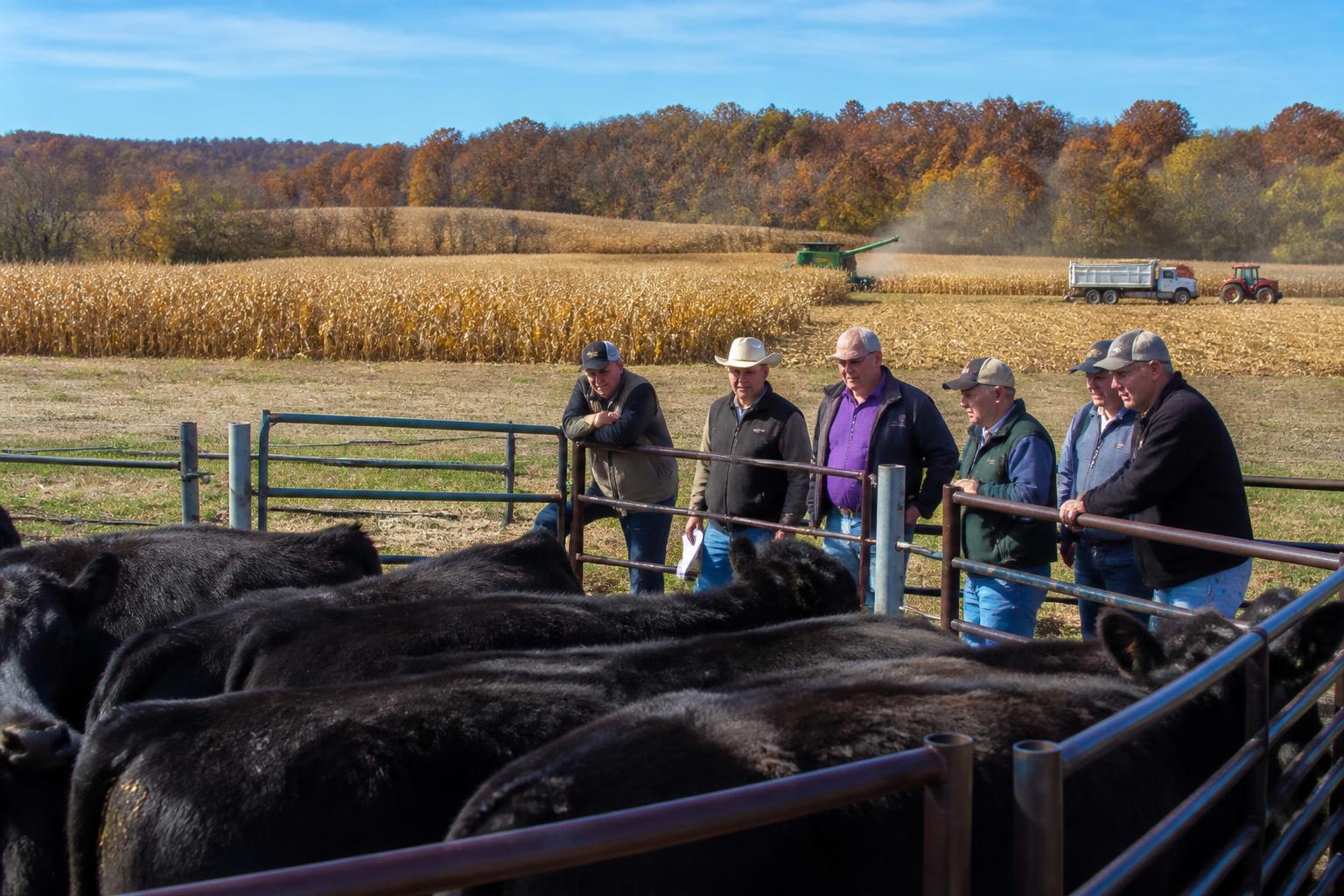
As Pennsylvania farmers push into the fall harvest, producers are balancing shifting yield expectations with ongoing logistical challenges and broader national economic uncertainties.
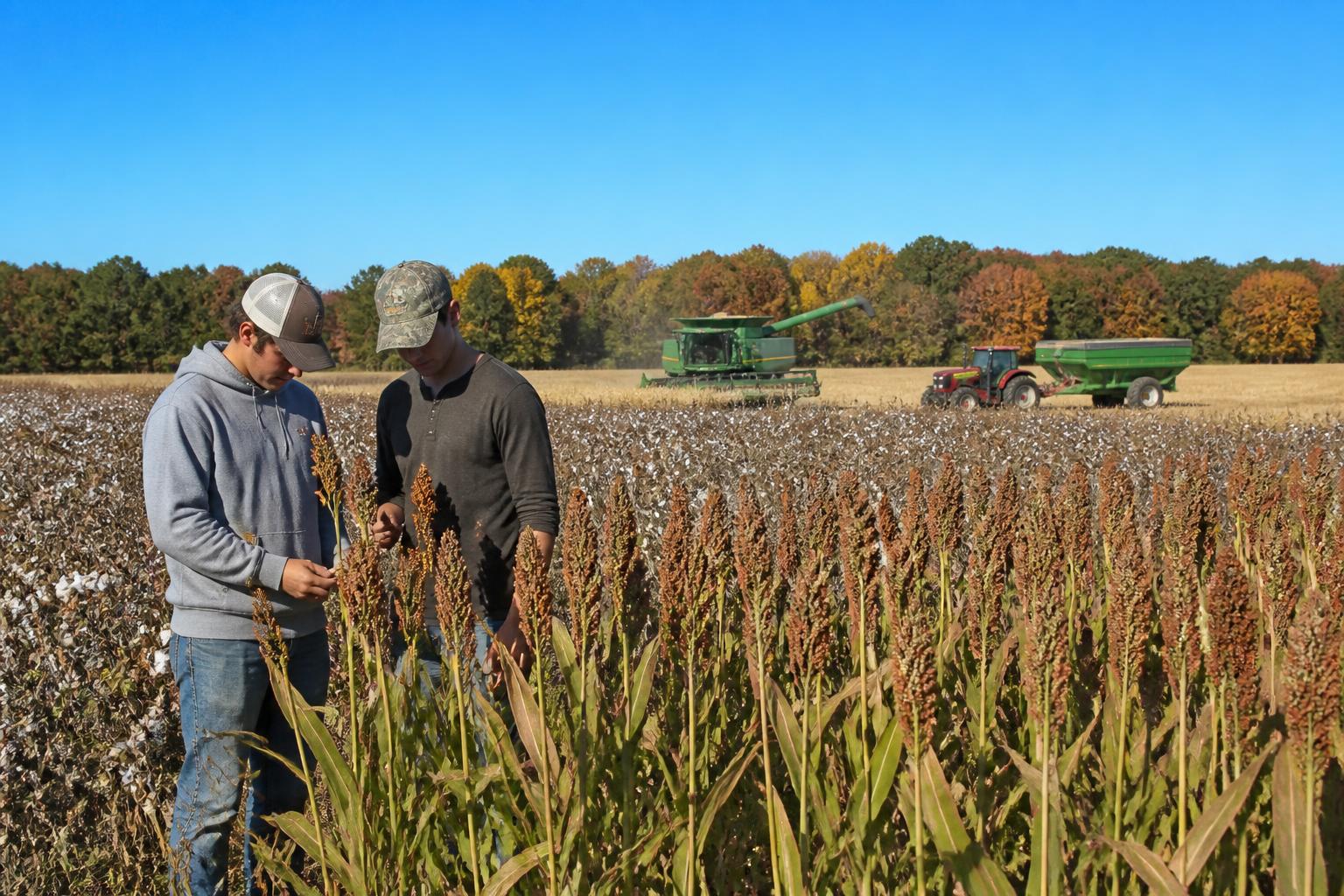
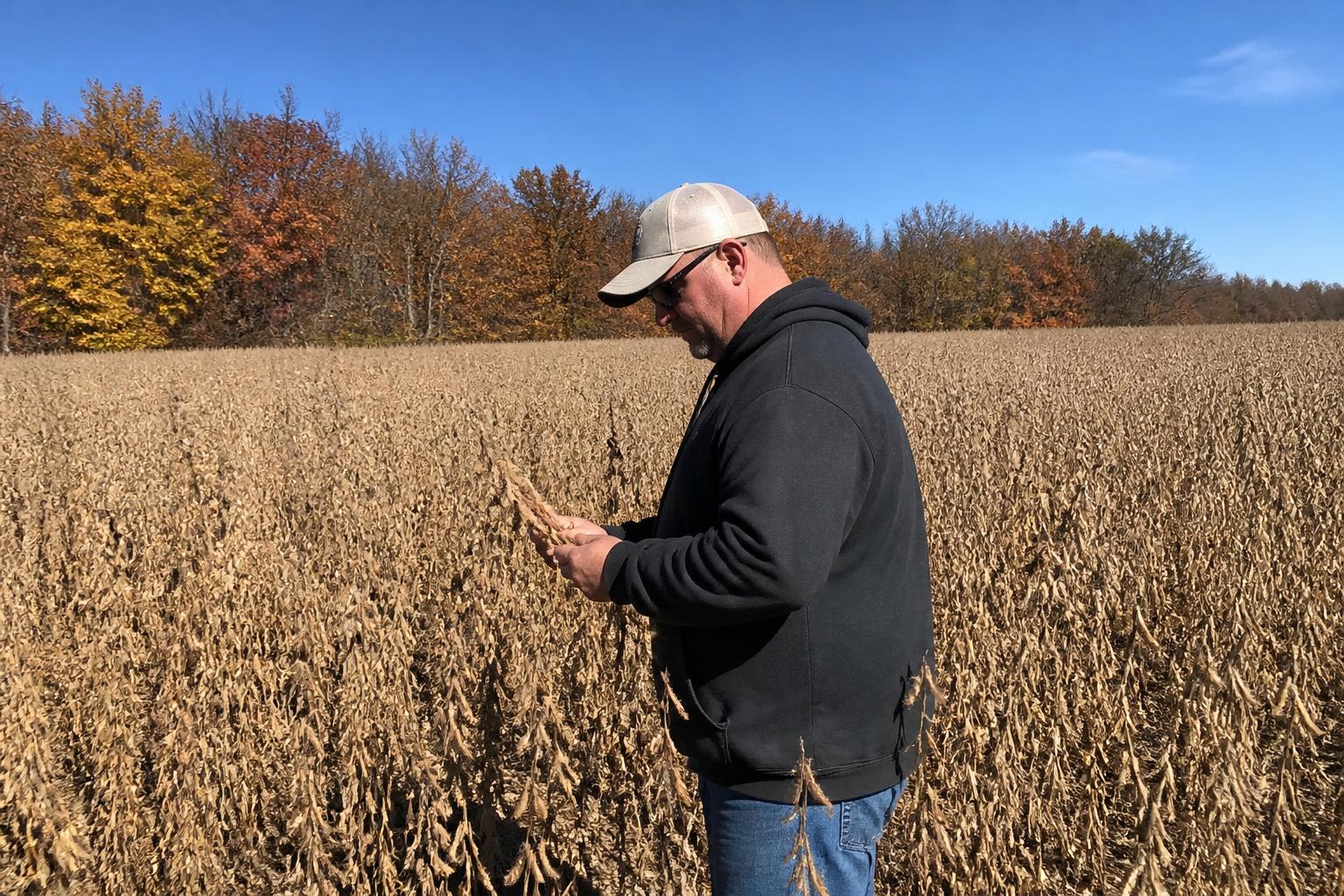
As Tennessee growers enter the fall harvest, localized moisture stress remains a key factor impacting yield potential and logistical planning across the state.
Texas producers are navigating a complex market landscape marked by persistent input cost fluctuations and evolving regulatory oversight, requiring strategic planning as the fall harvest gains speed.
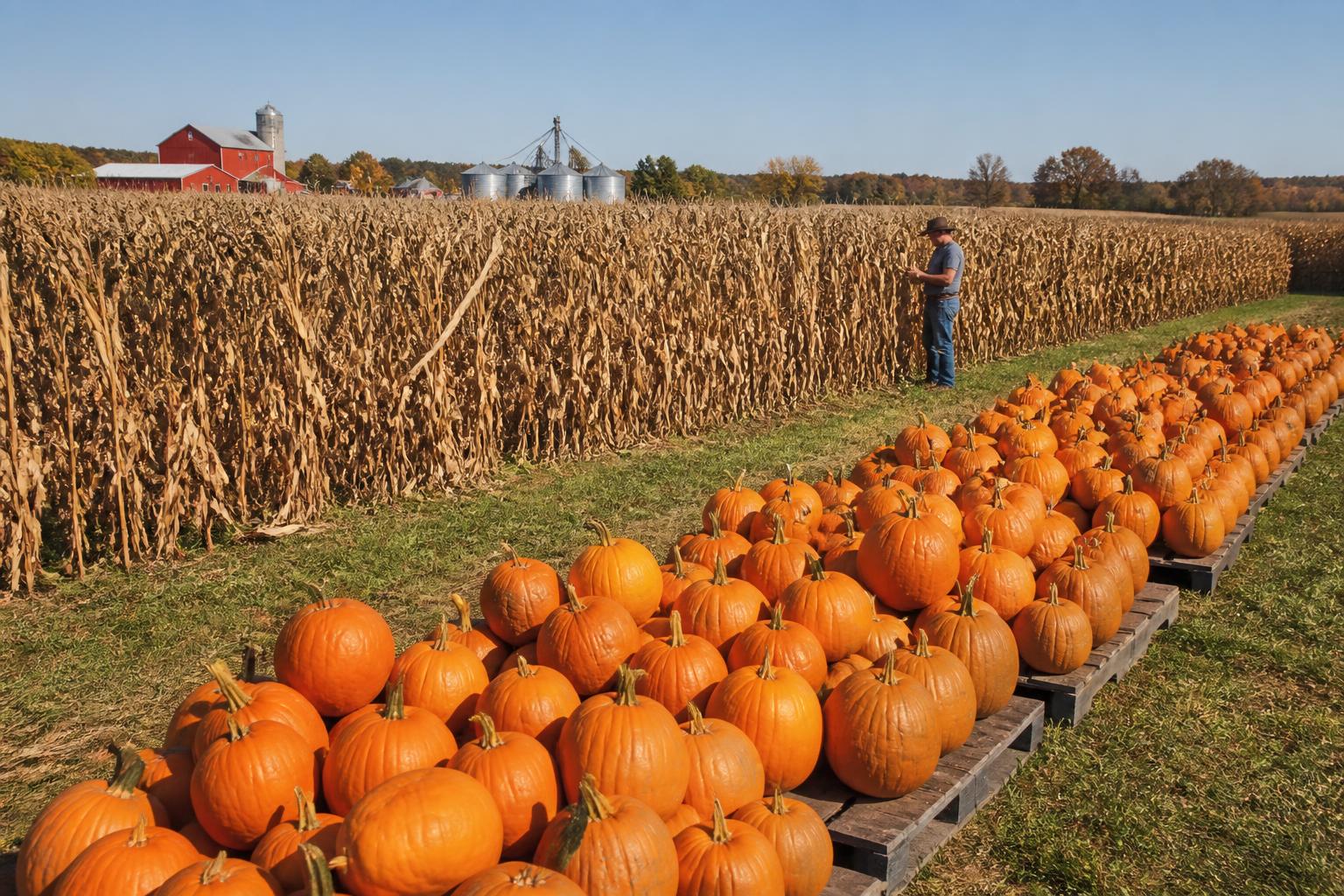
As fall harvest activities ramp up across Connecticut, growers must remain vigilant against late-season pest pressures and shifting environmental risks that could threaten output quality.
As fall harvest activities begin in Nevada, producers are navigating a complex landscape defined by shifting regional procurement initiatives and the lingering impact of global supply chain volatility.
As fall harvest approaches in Alabama, producers are increasingly turning to data-driven management and nutrient stewardship to navigate supply chain pressures and optimize field performance.
With tar spot confirmed across dozens of Wisconsin counties, producers are balancing harvest logistics against the need to protect grain quality and manage regional yield variability.
Utah producers face a complex fall season as weather instability and logistical shifts influence grain market operations across the state.
As Illinois farmers gear up for the fall harvest, they face a complex landscape of shifting trade policies, logistical bottlenecks, and changing input requirements.
Sign in to manage requests, save contacts and respond to market offers quickly.
Continue with Google Continue with MicrosoftSign in to manage requests, save contacts and respond to market offers quickly.
Continue with Google Continue with MicrosoftEnter your email and we will send a password reset link.
Don't have an account?
We value your privacy
We use cookies to run the site and, with your consent, to measure traffic (Google Analytics) and personalize ads. You can accept, reject, or choose. Privacy Policy