Strengthening Virginia's Supply Chain: Logistics and Infrastructure Outlook
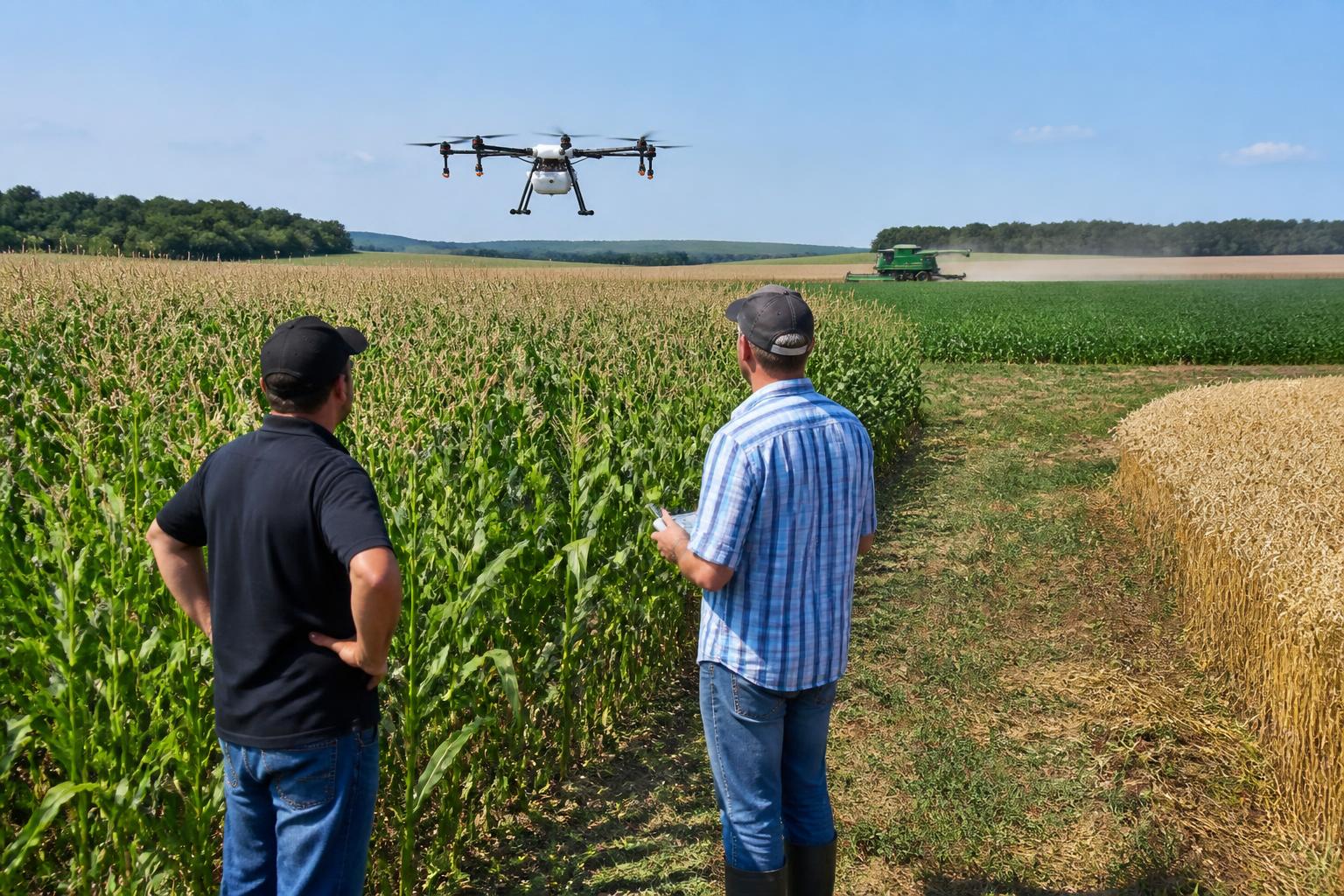
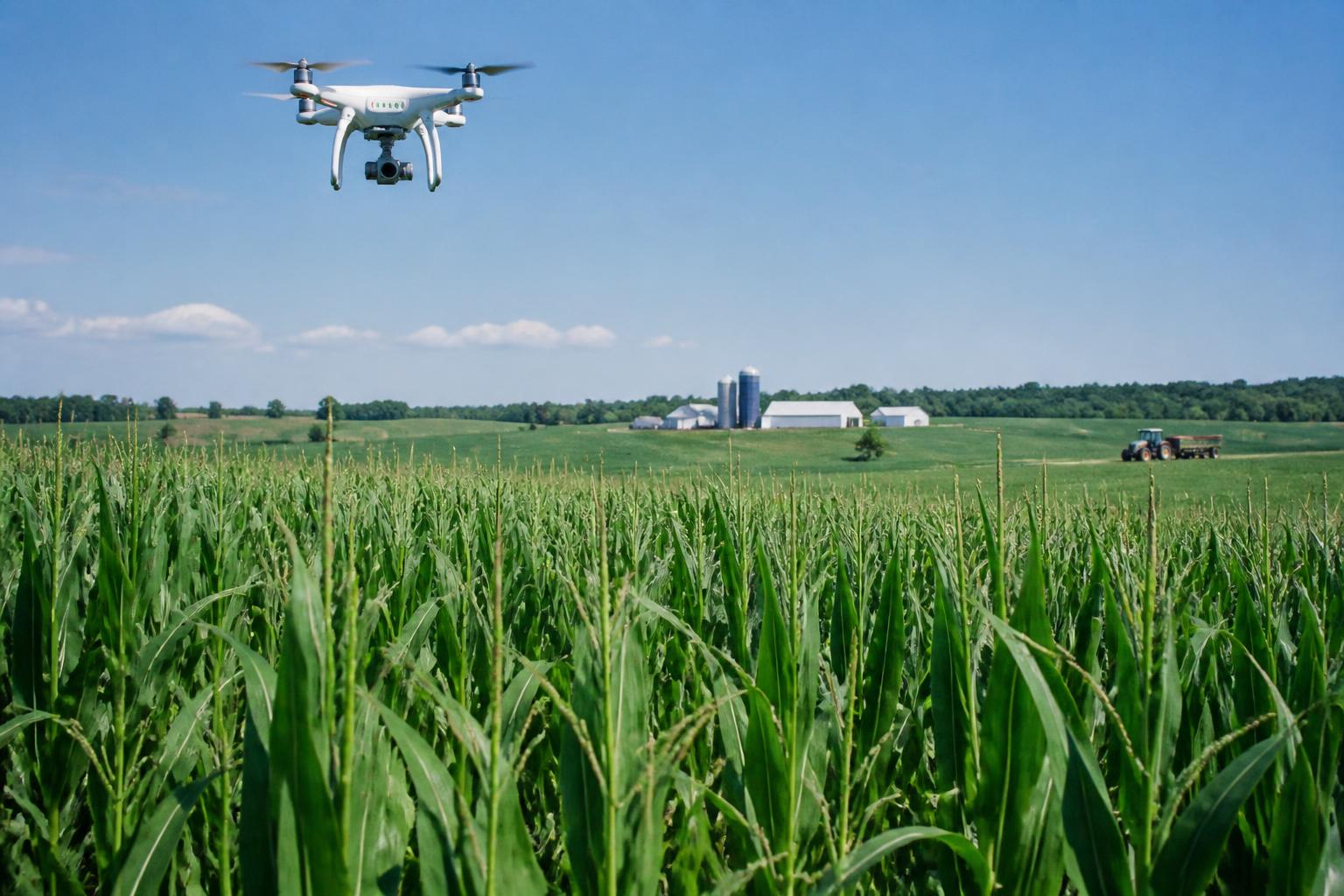
As Virginia's agricultural season progresses, investments in local infrastructure and logistics hubs are becoming central to maintaining efficiency for producers.
We collect original digests and analytical notes based on facts, market signals and verified sources.
As Hawaii's agricultural sector adapts to shifting market conditions and environmental pressures, producers are prioritizing crop resilience and infrastructure security.
As Virginia's agricultural season progresses, investments in local infrastructure and logistics hubs are becoming central to maintaining efficiency for producers.
Low water levels on the Mississippi River continue to disrupt grain movement, complicating transit for producers navigating the late summer shipping season.
Increased industrial facility growth across Connecticut is reshaping regional transport corridors, impacting how agricultural producers and suppliers move goods during the late-summer season.
Arizona producers are managing mid-summer transport shifts as state agricultural funding discussions evolve and field activity continues in key regions like Yuma.
As summer production hits its peak, Vermont farmers are leveraging new food hub initiatives and state support to streamline logistics and navigate shifting supply chain dynamics.
As Illinois growers prepare for late-summer operations, logistics remain a focal point for the supply chain, with farm-to-market efficiency taking center stage.
Washington producers are evaluating new federal initiatives aimed at lowering fertilizer costs while navigating complex trade tensions that impact the state's diverse agricultural export landscape.
As New Hampshire farmers navigate the complexities of late-summer harvest and transport, focus remains on supply chain resilience and local logistics management.
As Mississippi enters the late summer stretch, local producers are balancing favorable moisture conditions with the persistent challenges of logistics and market volatility.
As Ohio producers look ahead to future nutrient needs, shifts in fertilizer distribution and emerging organic projects are redefining the local supply landscape.
As late-summer activities peak in New York, producers and handlers are focusing on optimizing supply chain resilience to mitigate volatility in transport costs and carrier availability.
As Washington producers navigate peak summer operations, regional logistics remain sensitive to volatile international fertilizer supplies and shifting trade policies.
Sign in to manage requests, save contacts and respond to market offers quickly.
Continue with Google Continue with MicrosoftSign in to manage requests, save contacts and respond to market offers quickly.
Continue with Google Continue with MicrosoftEnter your email and we will send a password reset link.
Don't have an account?
We value your privacy
We use cookies to run the site and, with your consent, to measure traffic (Google Analytics) and personalize ads. You can accept, reject, or choose. Privacy Policy