
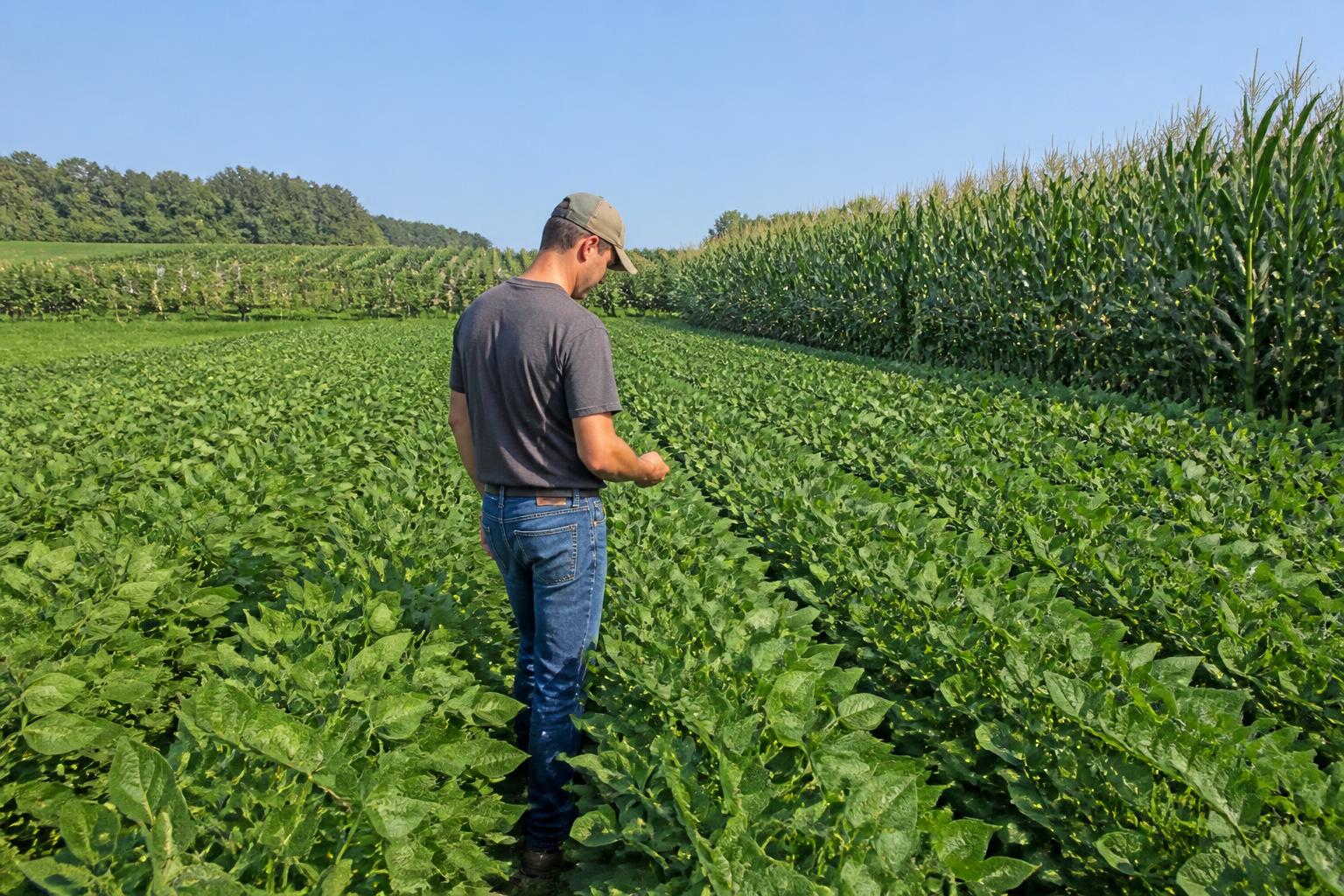
Mid-summer is a critical phase for West Virginia agriculture, as producers across the Mountain State manage peak crop development while monitoring for potential threats. Establishing robust biosecurity and pest management strategies is vital for maintaining yield potential. Recently, regional efforts have intensified to contain the spread of invasive species, such as the spotted lanternfly, which continues to demand vigilance in localized areas like Wood County.
Maintaining orchard and field health during these warm months requires a balanced approach to input usage. Debates surrounding the application of pesticides near sensitive areas highlight the ongoing tension between operational efficiency and regulatory oversight. For many growers, aligning with current state guidance is not just a compliance requirement but a practical measure to safeguard local apiaries and overall ecosystem health.
Collaborative Approaches to Ag-Protection
The complexity of modern crop protection often exceeds the capacity of individual operations. Building collaborative networks between producers, local departments of agriculture, and regional specialists has proven to be an effective tactic against emerging biological risks. By pooling resources and localized knowledge, farmers can respond more nimbly to sudden infestations or shifts in pest migration patterns. These partnerships often provide the early warning systems necessary to minimize long-term economic damage to high-value specialty crops.
Logistics and Resource Stability
Beyond pest pressure, the broader agricultural landscape in West Virginia remains sensitive to shifting supply chains. While producers focus on seasonal growth, keeping an eye on input costs and infrastructure developments—such as advancements in water treatment and soil health initiatives—can provide a competitive edge. Ensuring that logistics remain efficient during the busy summer transport season is key to stabilizing margins, especially as transportation routes adjust to mid-season harvest pressures and evolving state policies.
What it means for the market
For West Virginia agribusinesses, the current climate emphasizes the necessity of proactive risk management. Whether navigating regulatory shifts regarding pesticide application or coordinating with regional authorities on invasive species containment, those who integrate systematic monitoring and collaborative planning into their operations are better positioned to protect their bottom line. Maintaining agility in your input strategies and staying informed on legal precedents will be central to securing a stable harvest as the season progresses.
Comments
No comments yet - be the first to share your take.