
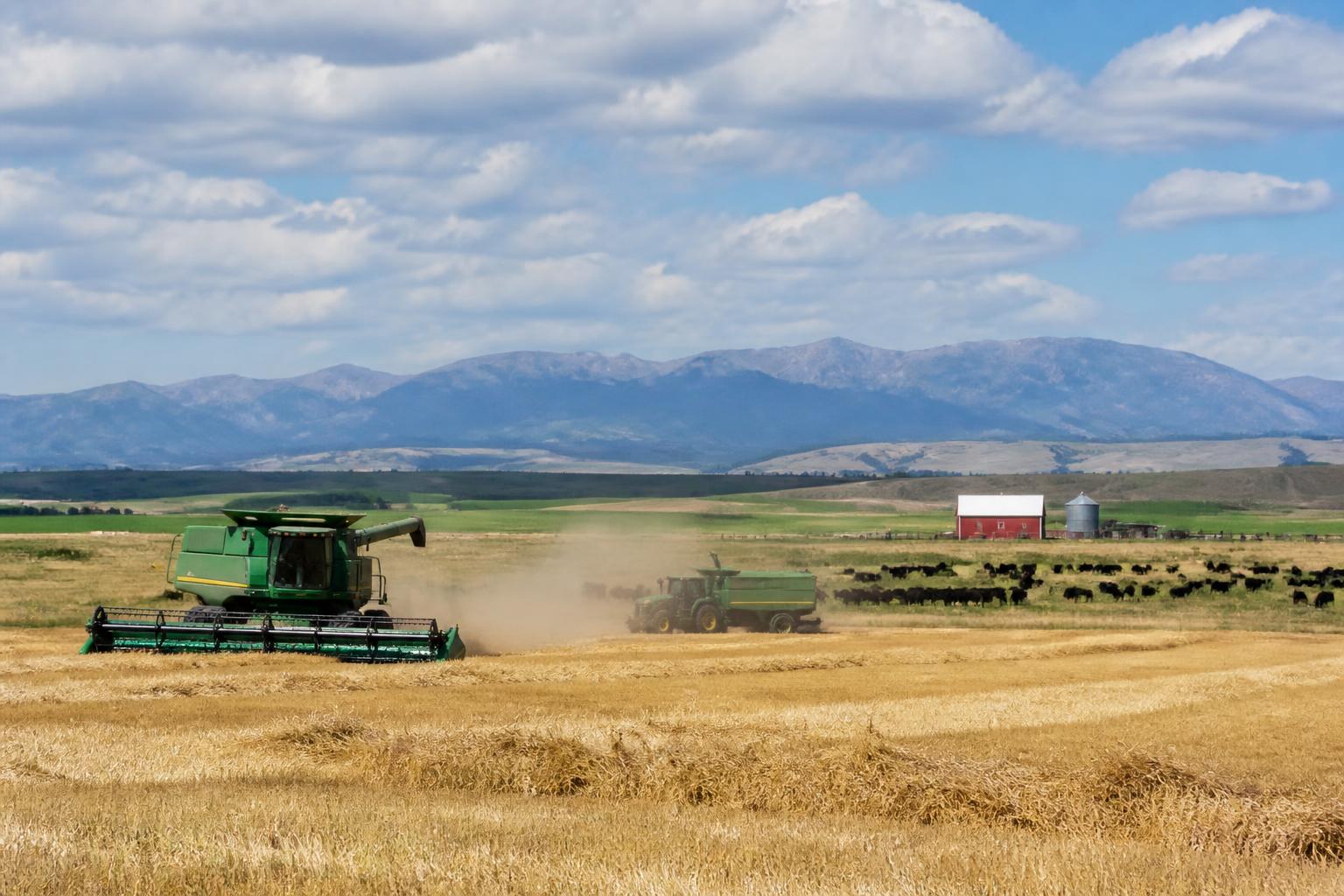
For Wyoming's agricultural producers, the summer season brings a dual focus: maintaining peak production while navigating an increasingly complex regulatory environment. Whether managing livestock grazing rights or optimizing irrigation efficiency, understanding the scope of federal oversight is becoming as vital as crop and herd health itself.
Producers across the state, from the high plains to the mountain valleys, are currently tasked with balancing operational autonomy against broader compliance frameworks. Whether you are dealing with land-use disputes or simply looking to refine your risk mitigation strategies, the ability to interpret changing federal guidance is essential for long-term operational security.
The Burden of Federal Compliance
Recent developments have highlighted how federal agency oversight can directly impact day-to-day ranching and farming activities. Issues concerning water rights, infrastructure maintenance, and land use often require significant administrative effort. Many producers have found that proactive engagement with local resource conservation districts and keeping meticulous documentation can help defend against costly penalties or project delays, particularly when sudden repairs are needed following irrigation infrastructure failures.
Adapting to Environmental Shifts
Beyond regulatory hurdles, Wyoming operations continue to adapt to environmental variability. As water becomes a more contested resource, many in the state are turning toward advanced soil management techniques to improve fertility and moisture retention. These efforts, while requiring upfront investment, often provide a buffer against the volatility typical of arid and semi-arid climates. Managing these factors is not just about immediate yields but about ensuring the long-term resilience of your acreage in a changing climate.
What it means for the market
For the Wyoming agribusiness sector, the takeaway is clear: information is a primary input. Staying current with regulatory trends and environmental management practices allows producers to secure their assets and optimize resource use. As external pressures like energy shocks and shifting commodity demand persist, those who prioritize operational compliance and soil health will be better positioned to weather seasonal fluctuations and maintain steady production levels.
Comments
No comments yet - be the first to share your take.