
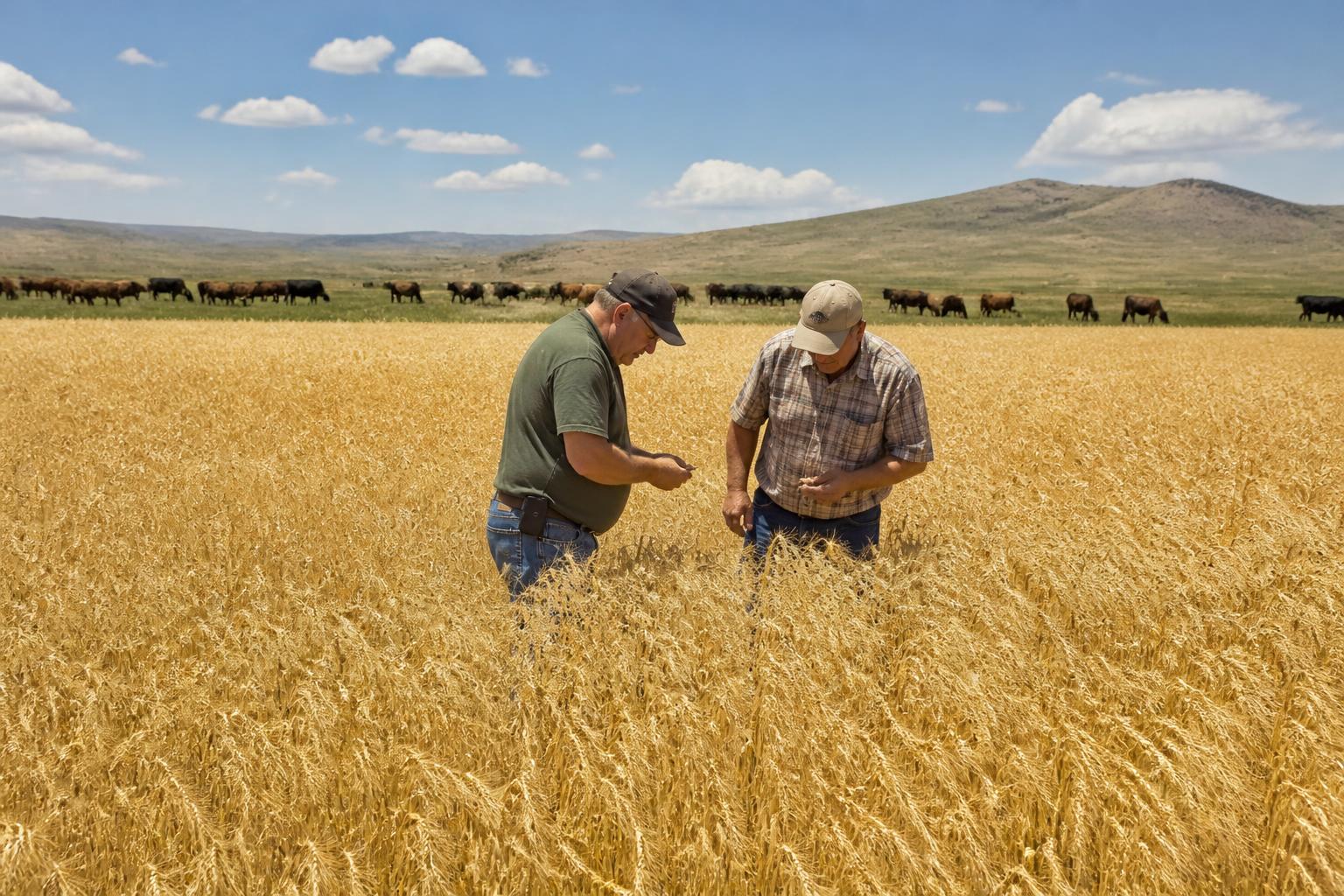
Wyoming agricultural producers are entering the heart of the summer season facing a dual challenge of tightening operational budgets and emerging biological threats. As irrigation demands peak during these dry summer months, local agribusinesses and grain handlers are closely monitoring the impact of shifting utility rate structures on seasonal profitability. These rising input costs often force producers to make difficult decisions regarding water management and field coverage, which can have ripple effects throughout the state's regional feed markets.
Adding to the pressure on land management, recent reports have confirmed the first detection of the Japanese beetle within Wyoming. For growers and land managers, this new pest presence necessitates a proactive review of integrated pest management strategies. While the full scope of the infestation is still being determined, the introduction of this invasive species represents a significant pivot in local land and crop protection protocols.
Managing Operational Volatility
In regions such as the North Platte River corridor and parts of the Bighorn Basin, where irrigation is vital for maximizing harvest output, the potential for steep increases in electric utility rates is causing considerable concern. Energy costs remain one of the most significant variables in annual balance sheets, and any upward trend in these expenses typically compresses margins for those heavily reliant on center-pivot and flood irrigation systems.
Adapting to Evolving Risks
The arrival of the Japanese beetle reminds producers of the importance of vigilance. Effective mitigation often depends on early detection and coordination with local extension offices to monitor spread. As these protection challenges emerge, many operators are re-evaluating their long-term strategies, balancing the necessity of resource protection against the immediate reality of fluctuating market demands and operational expenses.
What it means for the market: Producers should anticipate tighter cash flows as energy overheads rise during the high-demand summer irrigation window. Coupled with the need for new pest mitigation efforts, the current environment favors a conservative approach to input spending and an increased focus on precision resource management to protect net margins against these mounting systemic pressures.
Comments
No comments yet - be the first to share your take.