
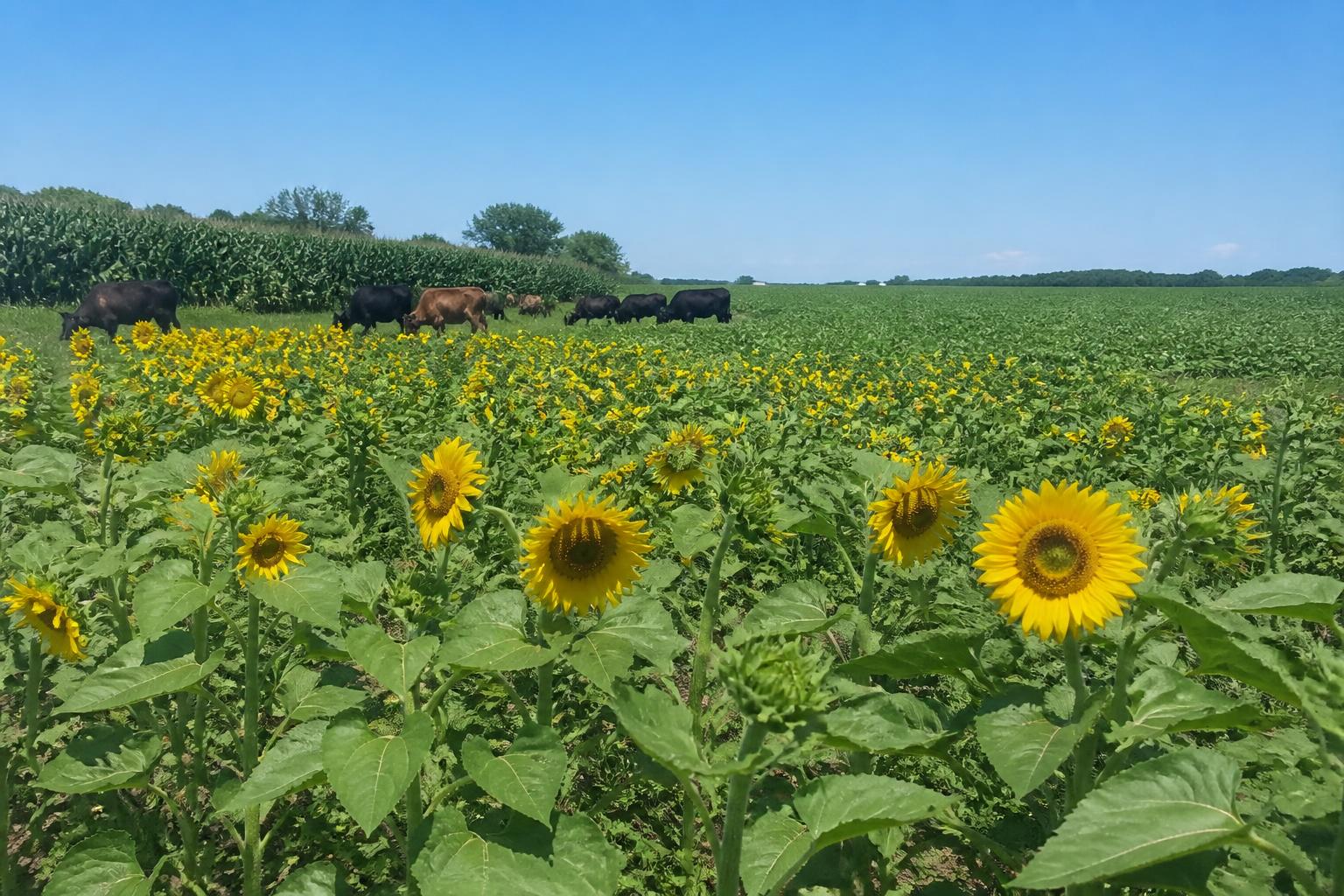
With Minnesota fields showing strong progress, the focus for many producers has shifted toward intensive crop protection and optimizing input efficiency. Managing pressure from weeds, such as the ongoing efforts to keep Palmer amaranth at bay, remains a top priority across the state's diverse agricultural regions. As temperatures fluctuate, maintaining a vigilant scouting routine helps ensure that early-season investments in seed and fertility are not compromised by late-summer setbacks.
Refining Input Strategies
Beyond traditional chemical applications, many farmers are exploring advanced techniques to maximize ROI. In-furrow technology, for instance, continues to gain interest as a method to place nutrients and protection agents precisely where they are needed most during the critical early growth stages. For operations looking to refine their nitrogen management, integrating side-dress applications or exploring alternative sources like poultry manure ash can help bridge the gap between input costs and yield goals.
Data-Driven Field Management
The success of the current season often comes down to the quality of field data. Whether you are conducting on-farm field trials to test new seed varieties or adjusting herbicide programs based on local weed resistance patterns, documented results are essential. Consistent record-keeping allows for more accurate adjustments to planting density and protection protocols in future seasons, helping to mitigate risks associated with unpredictable weather patterns like those seen in past drought years.
Key Takeaways for Producers
- Prioritize consistent scouting to address localized pest pressures before they escalate.
- Review nutrient application strategies to ensure efficiency, particularly in areas with variable soil moisture.
- Utilize localized data from field trials to inform seed selection and input planning for the coming cycle.
What it means for the market: Current field conditions suggest that producers who prioritize integrated management strategies are best positioned to navigate volatility. As we move further into the season, maintaining flexibility in your crop protection and logistics planning will be vital for protecting your bottom line against shifting market and climate conditions.
Comments
No comments yet - be the first to share your take.