
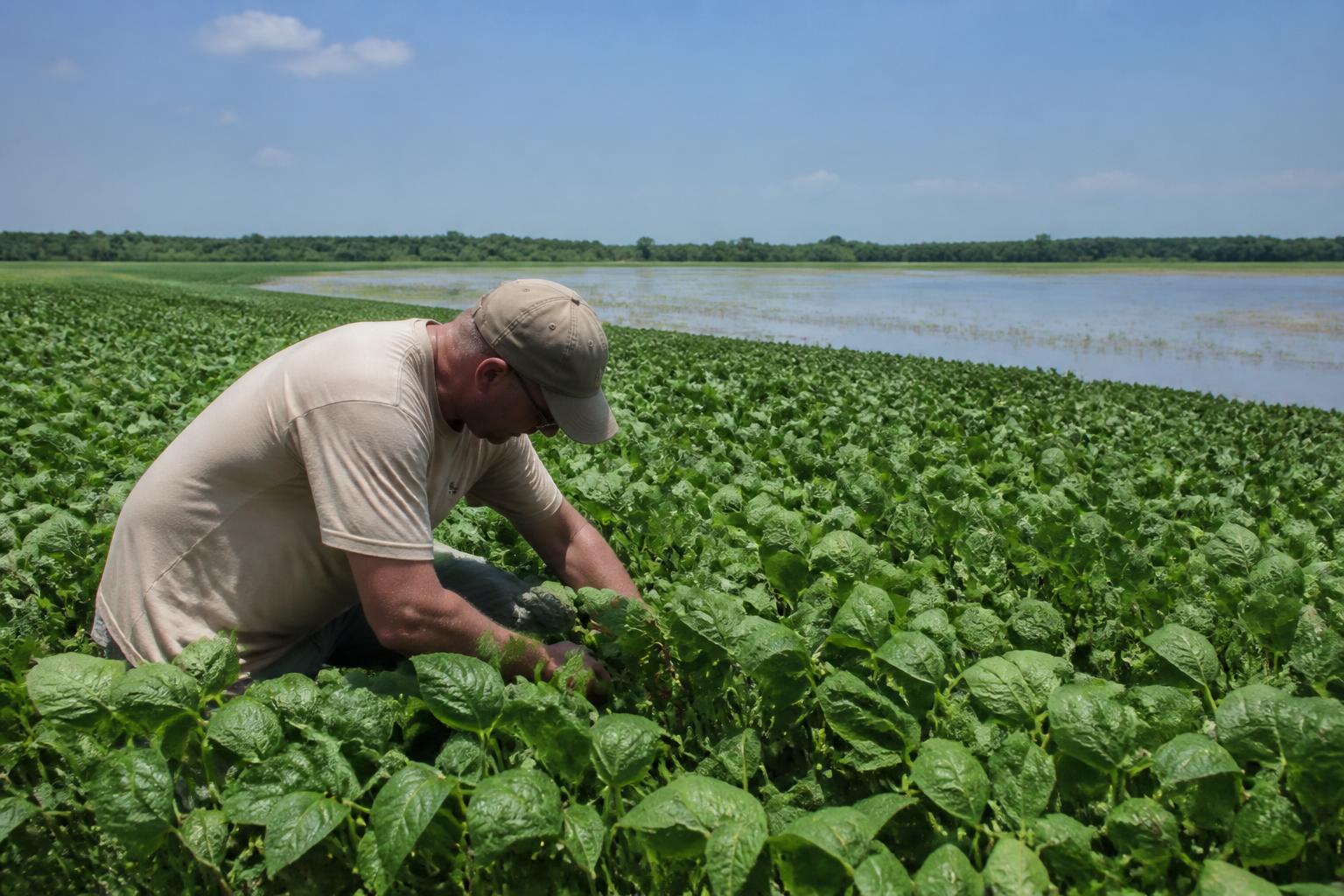
As we navigate the heart of the summer season in Louisiana, growers are contending with a convergence of biological and economic pressures. Protecting yield potential remains the top priority, but the window for effective intervention is narrowing as crops progress through critical developmental stages.
Management of emerging pest pressures has become a focal point for many producers across the state. Reports of invasive insect activity continue to circulate, necessitating heightened scouting efforts and precise application timing. These biological threats often coincide with the challenge of managing pathogen pressure, which can be exacerbated by the warm and humid conditions typical of a Louisiana summer.
Input Costs and Economic Headwinds
Beyond the field, the broader economic environment remains volatile. Producers are keeping a close watch on the costs of essential inputs, including fertilizers and crop protection chemicals. Uncertainty surrounding global supply chains and trade dynamics continues to impact local procurement strategies. Federal discussions regarding potential agricultural aid packages are being monitored closely by industry stakeholders who are looking for relief from the compounding effects of high operational expenses and unpredictable climate patterns.
Logistics and Market Access
Logistical reliability continues to be an essential factor for the movement of agricultural goods. With the harvest season on the horizon, the efficiency of Louisiana's port infrastructure and inland transport corridors is under scrutiny. Maintaining clear communication with local elevator managers and transportation partners can help mitigate the risks associated with potential equipment shortages or delayed shipments.
What it means for the market: For agribusinesses and farmers, the current climate demands a proactive approach to resource management. By prioritizing timely scouting and maintaining flexible logistics plans, producers can better position themselves to absorb shocks from both biological threats and shifting input prices as we move toward the final stretch of the production season.
Comments
No comments yet - be the first to share your take.