
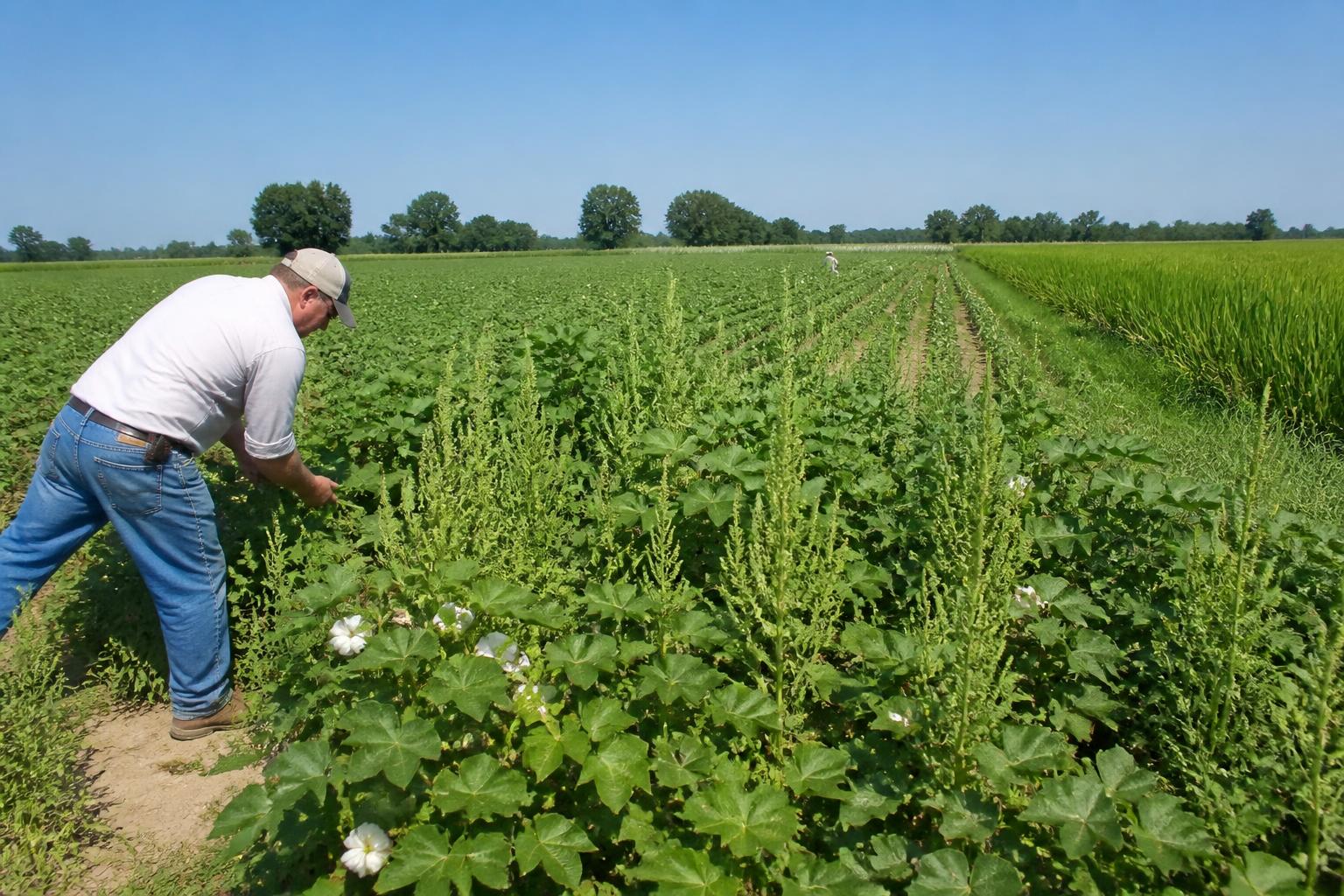
As Arkansas agriculture moves through the heat of the summer, producers are contending with a demanding cycle of field management. Protecting yield potential remains a primary focus, particularly as pest pressures and the complexities of chemical application continue to influence field operations across the state.
For many Arkansas farmers, maintaining crop health involves navigating strict guidelines surrounding herbicide use. The state has seen ongoing discourse regarding the regulation and use of specific chemicals, such as dicamba, emphasizing the need for producers to stay updated on current Arkansas input and protection strategies. Ensuring strict adherence to application protocols is vital, especially in regions where drift potential remains a concern for sensitive neighboring crops.
Pest Pressure and Field Resilience
Pest management is currently a top priority, with reports surfacing of significant pressure from armyworms in various parts of the state. These pests can rapidly jeopardize standing crops if not monitored and treated promptly. Furthermore, in cotton and other row crops, persistent issues like pigweed continue to demand a rigorous approach to weed control. Farmers are utilizing diverse strategies, including cover crops and adjusted plant populations, to build more resilient systems that can better withstand these seasonal biological threats.
The Evolution of Cultural Practices
Beyond traditional protection methods, Arkansas producers are increasingly exploring systemic changes to improve crop defense. The rise in the popularity of row rice is one example of how operational shifts are being used to optimize water management and efficiency. Simultaneously, academic and commercial interest in emerging technologies, such as cold plasma-treated seeds, suggests a future where proactive seed-level protection could help reduce the long-term reliance on conventional pesticide applications.
What it means for the market
The current environment indicates that input costs and crop protection expenses will likely remain a significant factor in seasonal planning. As producers finalize their mid-summer management decisions, the focus on sustainable and efficient pest control not only protects current yield prospects but also influences procurement needs for the coming seasons. Keeping a close watch on state-level policy updates and regional pest reports will be essential for growers aiming to minimize economic loss and maximize per-acre returns.
Comments
No comments yet - be the first to share your take.