
In the heart of the Mid-Atlantic, Delaware growers are currently contending with a complex mix of mid-season field challenges. From elevated pest activity to persistent wildlife pressure, the need for robust crop security measures has never been more pressing. With the height of the summer growing season underway, producers are focusing on balancing intensive input management with cost-effective, long-term field solutions.
Recent developments in the state underscore the shifting landscape of agricultural technology. The announced investment by FMC Corporation in their global research and development headquarters in Newark signals a continued focus on advancing chemical and biological solutions directly from within the state. This infrastructure growth is timely, as farmers seek new tools to mitigate yield loss, especially as some producers continue to navigate the impacts of localized wildlife damage on their bottom line.
Adapting to Evolving Field Challenges
Managing the health of Delaware's corn and soybean stands requires a proactive approach this month. Producers are encouraged to evaluate their integrated pest management plans as late-season risks materialize. Beyond traditional chemical applications, there is growing interest in balancing input costs while maintaining rigorous protection standards. For many, this involves leveraging both traditional herbicides and emerging biosolutions to protect yield potential against environmental stressors.
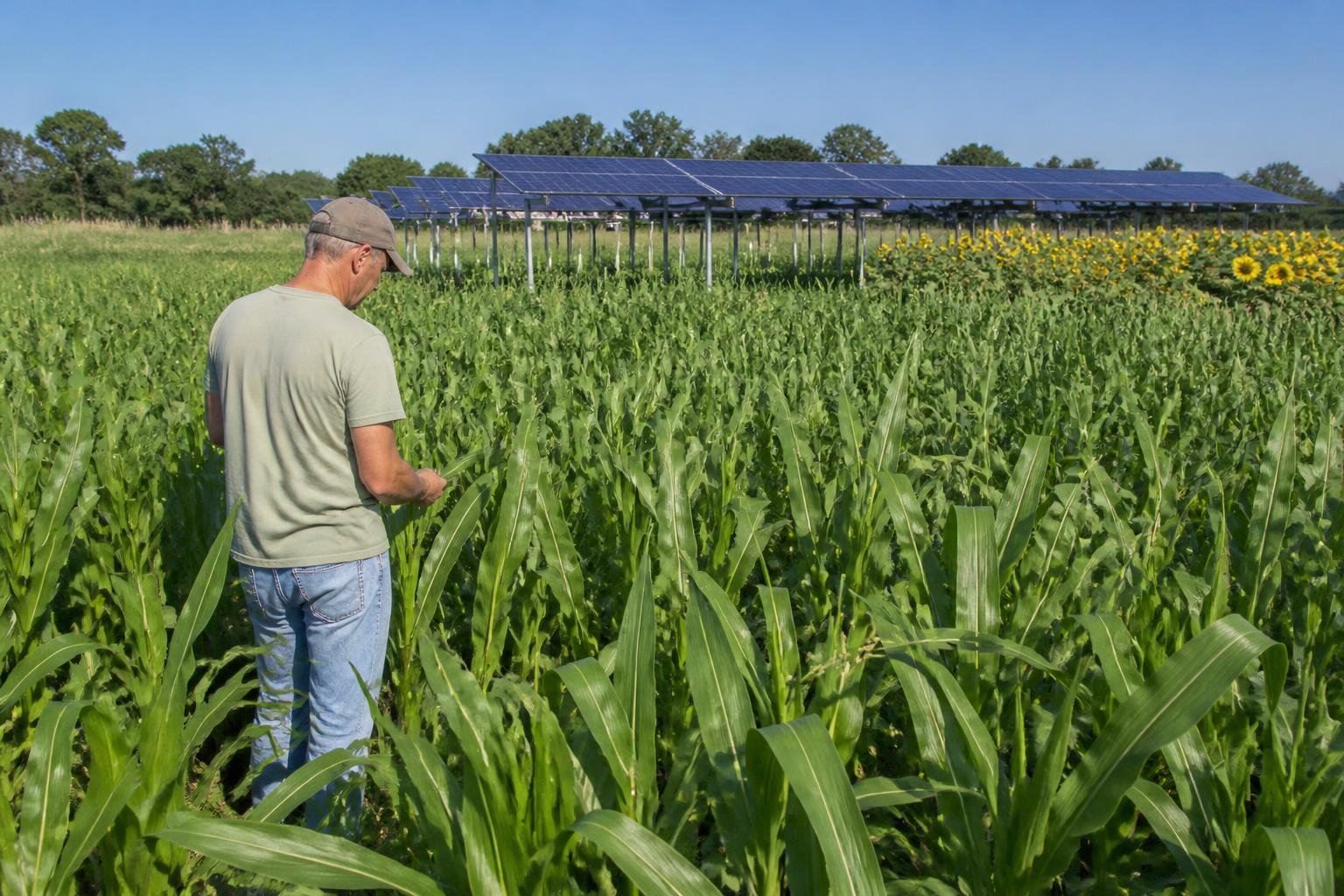
Furthermore, local conservation efforts and partnerships with the University of Delaware continue to provide valuable insights for farm management. Whether it is assessing the feasibility of agrivoltaic systems or addressing wildlife management, the focus remains on keeping Delaware operations competitive despite rising national and global market volatility.
What it means for the market
For Delaware agribusinesses and grain handlers, the current environment highlights a need for stability in the supply chain. While input markets remain sensitive to global pressures, local investment in R&D and conservation support programs aims to buffer farmers against systemic risks. Producers should continue to monitor local extension resources and regional market reports to optimize their input procurement and protection strategies as the harvest window approaches.
Comments
No comments yet - be the first to share your take.