
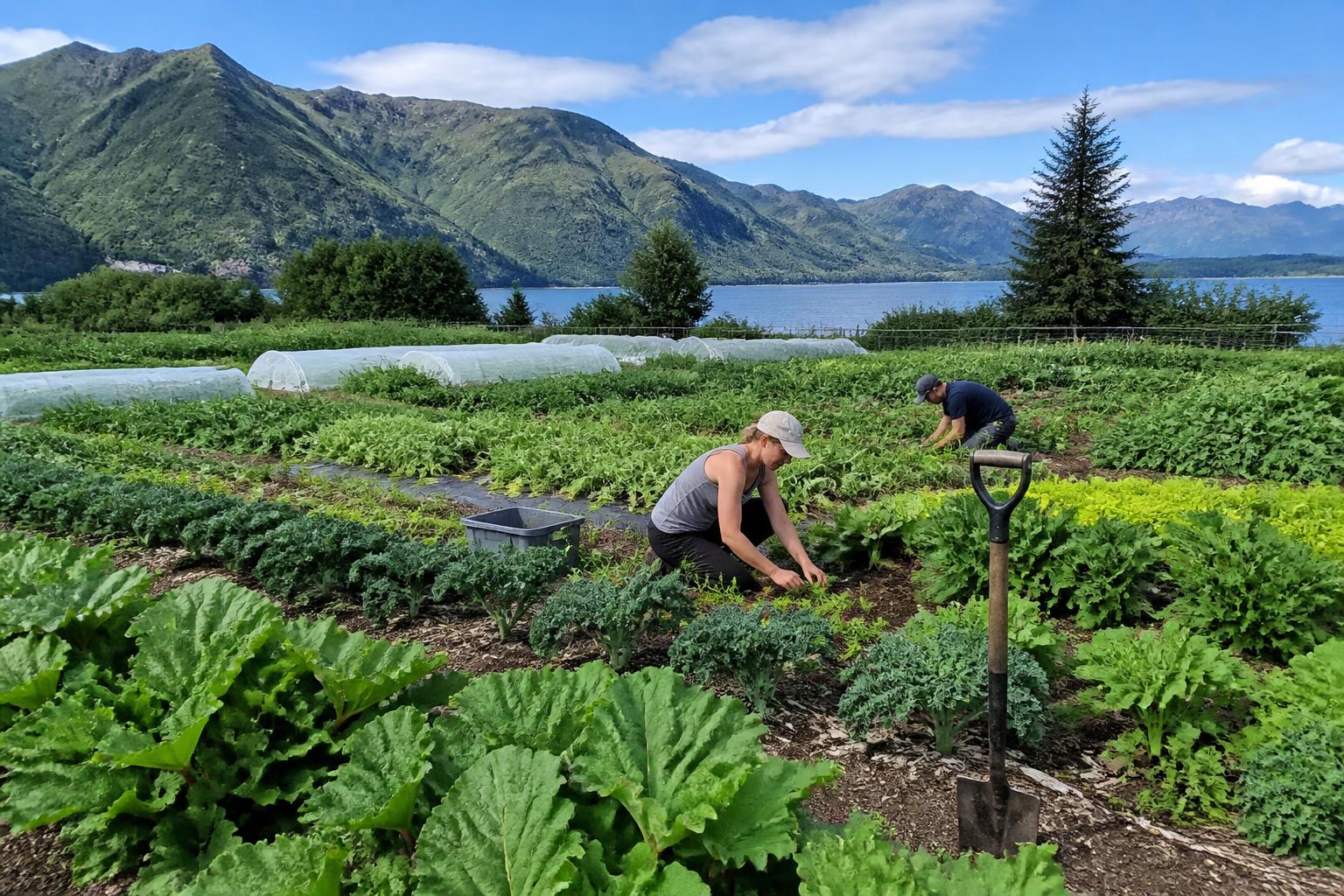
In the heart of the Alaska summer, producers from the Matanuska-Susitna Valley to the coastal regions of Kodiak Island are focused on maximizing the short, intense growing window. As crops reach critical development stages, the pressure from local pests and climate-driven variables requires a nuanced approach to field maintenance and resource management.
The Evolution of Integrated Pest Management
Effective management in northern latitudes often relies on robust crop protection strategies that prioritize early detection and site-specific intervention. While industry-wide discussions regarding the effectiveness of Integrated Pest Management (IPM) continue to evolve, Alaskan growers are increasingly looking for ways to integrate these practices without relying solely on synthetic inputs. The goal remains to mitigate losses from seasonal insects and fungi while ensuring that soil health remains prioritized for future seasons.
Supply Chain Resilience in Remote Regions
For many Alaskan agribusinesses, the availability of specialized fungicides and protective inputs is dictated by broader logistical trends. Disruptions in global transport corridors can have cascading effects, often complicating the timely delivery of necessary supplies to remote islands and interior hubs. Producers are encouraged to maintain lean but adequate inventories to account for potential freight delays, particularly as the season transitions toward autumn harvest preparation.
Balancing Growth and Sustainability
Beyond traditional crop protection, the broader agricultural conversation in Alaska is shifting toward long-term soil viability. Whether working on community-supported agriculture projects or small-scale market operations, operators are finding that restorative practices yield better returns in the unique Alaskan climate. Ensuring that land remains productive requires a delicate balance between immediate intervention and sustainable stewardship of the limited available acreage.
What it means for the market
For Alaska’s agricultural sector, the current summer period highlights the necessity of localized logistics planning and diversified pest management. Producers who proactively secure their input needs while refining their IPM protocols are better positioned to weather both supply chain volatility and the biological pressures inherent to the state's intensive, accelerated growing season.
Comments
No comments yet - be the first to share your take.