
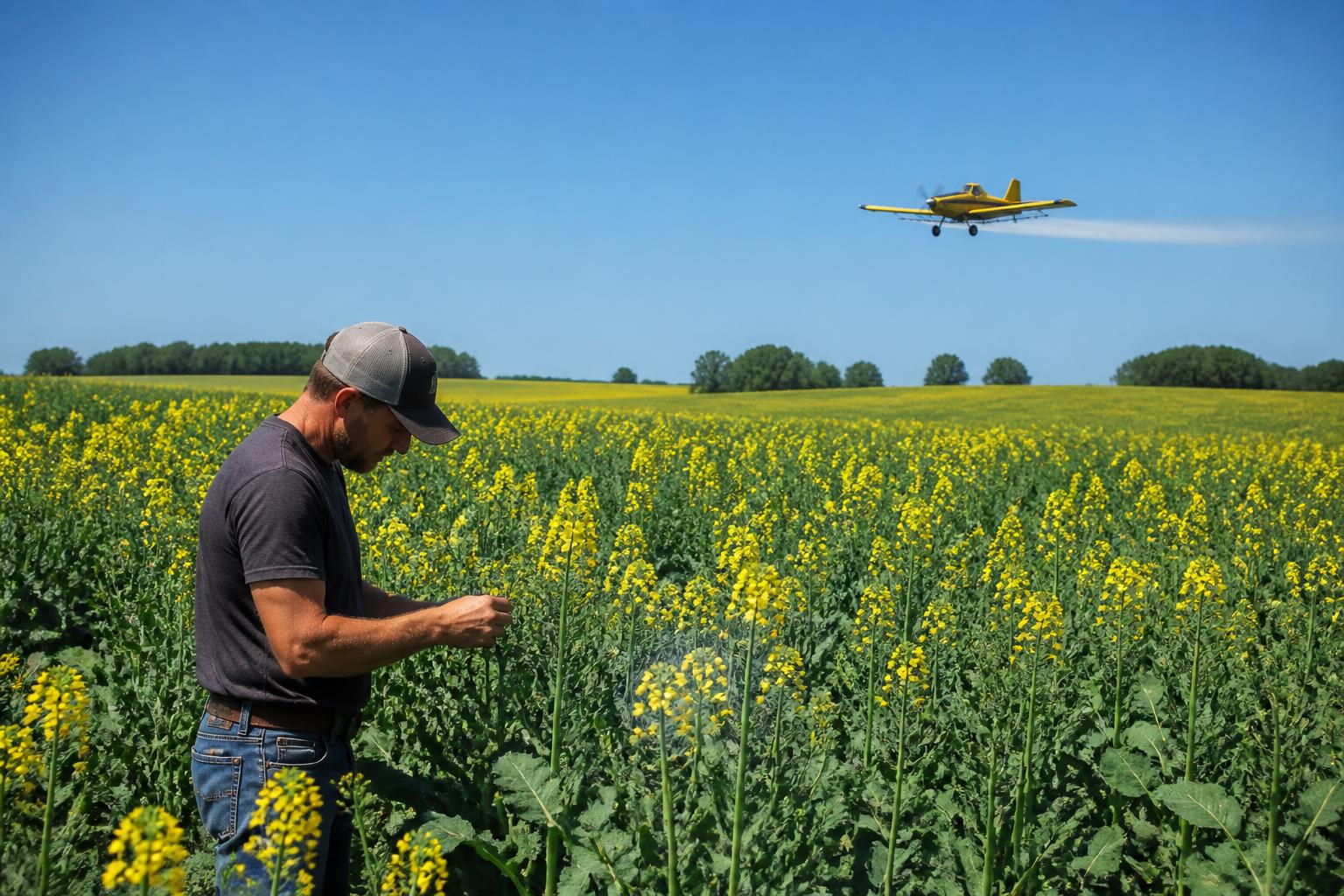
Mid-summer in North Dakota brings a critical window for crop protection and field maintenance. As fields across the state reach key growth stages, the intensity of the season requires careful monitoring for yield-robbing pests and soil-related constraints. For producers managing canola and wheat, the focus remains on balancing input efficacy with the logistical demands of a high-pressure growing cycle.
Maintaining productivity in some regions of the state often involves addressing long-standing soil salinity issues. Proactive management to revitalize unproductive acres remains a key strategy for many, while advancements in regional agricultural infrastructure, including the recent expansion of major equipment support networks, are helping growers maintain their machinery to stay ahead of the curve during high-traffic summer windows. Effective management in these areas often requires navigating mid-summer market pressures, where timing becomes the most significant factor in preserving input investments.
Pest Monitoring and Field Protection
Canola producers are particularly vigilant regarding flea beetle pressure. Scouting early remains the gold standard for avoiding significant yield loss, as infestations can rapidly escalate if left unchecked. Implementing a smart spraying strategy allows farmers to target these pests while preserving beneficial insect populations, which is essential for long-term farm health.
For those focused on winter wheat, the 'fixer' approach—proactively addressing nutrient or moisture deficiencies—continues to pay dividends. Identifying and resolving issues before they manifest as yield drag is standard practice for high-performing operations. As some producers look toward new regional food science initiatives to add value to their output, maximizing the health and quality of the raw crop in the field becomes even more essential.
The Role of Aerial Support
With the current season placing high demand on field logistics, many operators are increasingly relying on aerial application services. The speed and efficiency provided by professional applicators allow for timely interventions, especially when ground conditions may limit vehicle access or when large acreages need quick coverage. Efficient use of these services helps ensure that crop protection measures are applied within the critical biological windows necessary for maximum efficacy.
What it means for the market
Market participation for North Dakota farmers is currently influenced by both global commodity signals and localized efforts to mitigate climate and insurance volatility. As producers manage these summer challenges, the emphasis remains on input efficiency and protecting current-year yields to offset potential logistical and market-wide uncertainties. Success this season will likely favor those who prioritize early scouting and leverage local regional support systems to maintain their competitive edge.
Comments
No comments yet - be the first to share your take.