
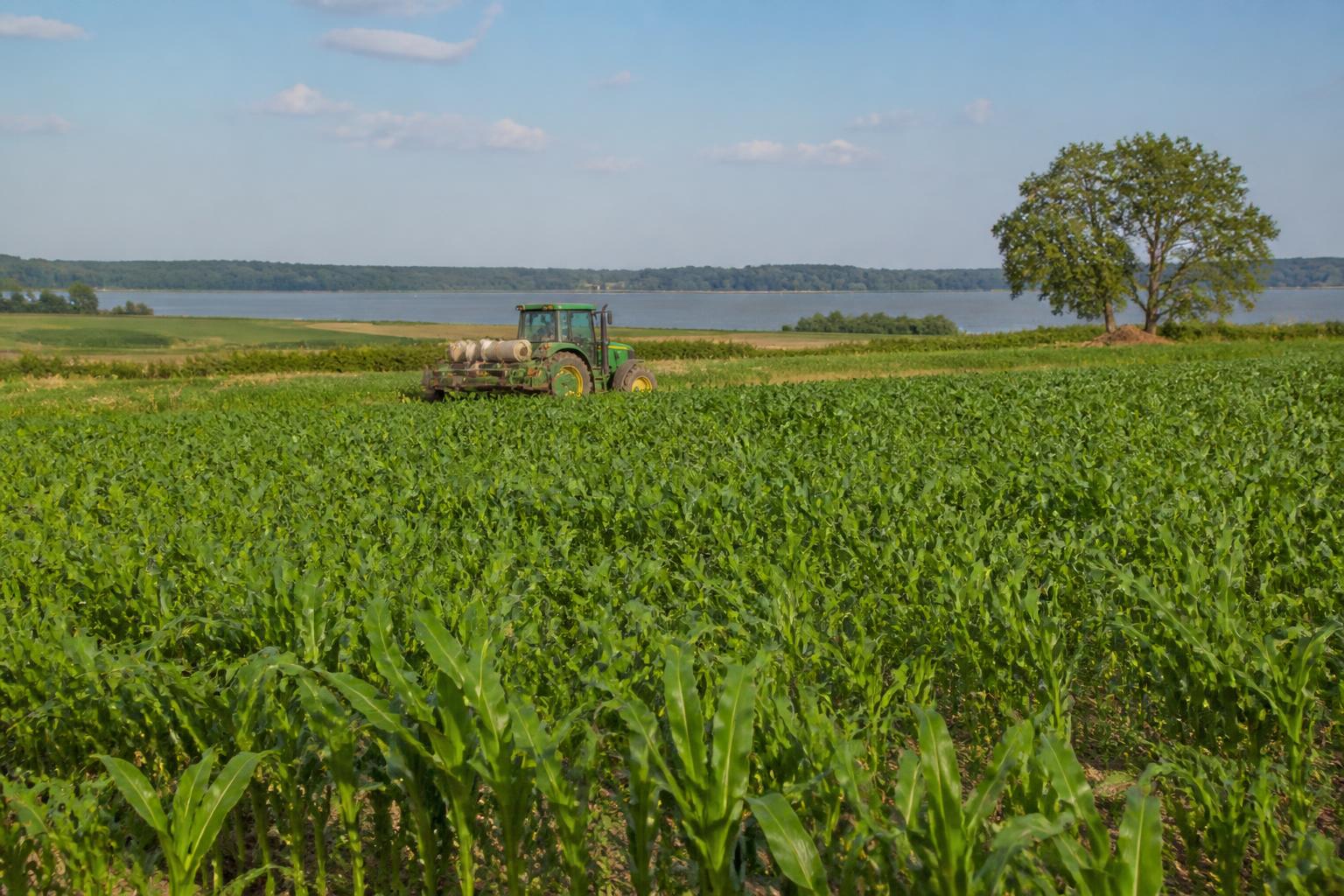
Mid-summer in Maryland brings a complex mix of logistical coordination and resource management. For growers across the Eastern Shore and throughout the state, the focus is shifting toward balancing field health with the practicalities of a busy shipping season. Ensuring that inputs and equipment reach their destination on time remains a persistent challenge that requires close attention to managing summer transport efficiencies across regional corridors.
Input Costs and Soil Management
Fertilizer continues to be a central topic for Maryland agribusinesses, particularly as global market shifts impact local price points. Many operators are looking for ways to streamline their nutrient programs, often prioritizing precise application methods to maximize value. Exploring mid-summer soil fertility strategies is a standard practice for many who aim to secure late-season yields while mitigating the impacts of broader supply chain headwinds.
Conservation and Long-Term Protection
Beyond daily logistics, Maryland producers are increasingly integrating conservation into their farm protection strategy. State-level programs offer cost-share opportunities for practical improvements, such as the adoption of manure injection technology, which can help support both regulatory compliance and soil vitality. These initiatives serve as a buffer against environmental pressures, helping to preserve the long-term viability of land located near sensitive areas like the Chesapeake Bay.
What it means for the market
Market participants should remain vigilant regarding regional infrastructure updates and shifting supply costs. By aligning nutrient applications with available conservation support and prioritizing efficient logistics, Maryland farmers can better navigate the volatility often seen during the peak of the summer growing season. Adapting to these structural changes is essential for maintaining margins as we move deeper into the agricultural calendar.
Comments
No comments yet - be the first to share your take.