
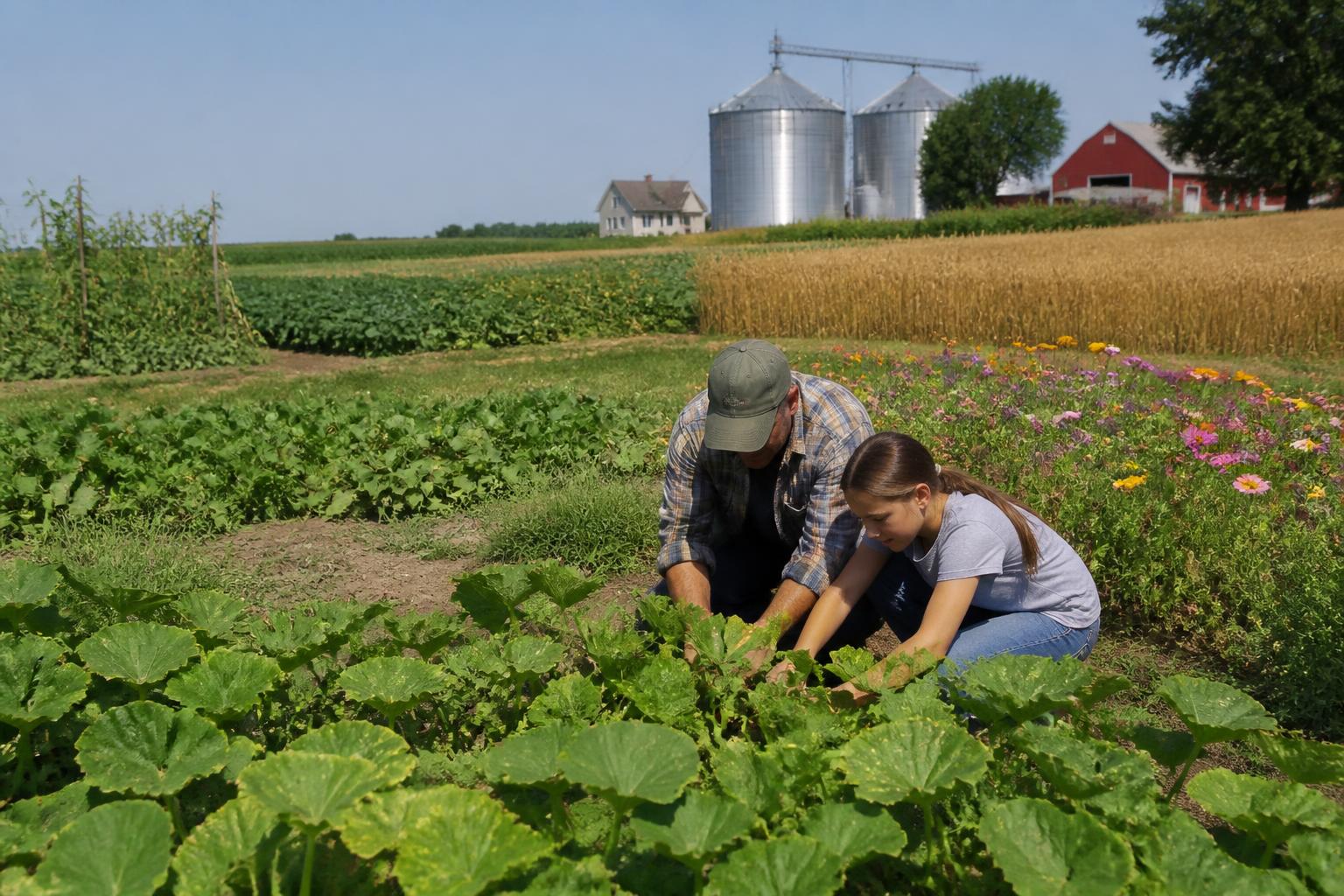
Mid-summer in Wisconsin brings a unique set of challenges for growers, ranging from managing persistent pest pressures in active fields to evaluating long-term risk mitigation. For many producers, this period is critical for monitoring crop health and fine-tuning integrated crop protection programs designed to balance operational efficiency with environmental stewardship.
As farmers across the state look toward the horizon, the conversation around agricultural policy continues to evolve. Discussions regarding the upcoming farm bill and federal safety net spending remain at the forefront of industry concerns. Simultaneously, regional efforts to strengthen sustainability and targeted protection are prompting many to re-evaluate their reliance on traditional inputs in favor of more precise, data-driven applications.
Expanding Coverage and Market Opportunities
Risk management is becoming increasingly diverse as specialty markets gain traction. New crop insurance options are becoming available for hemp producers in Wisconsin, providing a safety net for those diversifying their rotations. This development is significant for smaller operations that may have previously shied away from non-traditional commodities due to a lack of protection.
Beyond traditional row crops, there is a growing emphasis on regional food security and logistics. New initiatives are working to expand supply chains that connect Wisconsin-grown grains directly to local institutions like cafeterias. This shift toward localized distribution networks may offer producers a stable, albeit different, pathway to market compared to broader commodity channels.
What it means for the market
For the Wisconsin agribusiness community, the current landscape requires a dual focus on immediate field management and long-term adaptation. Growers who successfully integrate modern monitoring tools with new insurance instruments may be better positioned to navigate both localized pest risks and broader policy volatility. As we move deeper into the growing season, keeping a close watch on shifting regulatory requirements and evolving insurance availability will be essential for maintaining operational resilience.
Comments
No comments yet - be the first to share your take.