
Building Resiliency Against Seasonal Weather
As Wisconsin producers navigate the heat of mid-summer, building soil and water resilience has moved to the forefront of operational strategy. Severe weather events and erratic precipitation cycles are prompting many growers to lean on soil health practices. In various regions of the state, farmers are reporting that long-term investments in cover crops are paying dividends by stabilizing topsoil and improving water infiltration during heavy summer rains.
These practices are becoming vital as producers manage mid-summer operational pressures, where the need to protect acreage from erosion is balanced against tight field schedules. By maintaining root systems in the soil throughout the year, farmers can often mitigate the impacts of storm-related runoff, a critical factor for maintaining long-term land productivity.
Targeted Conservation in Sensitive Regions
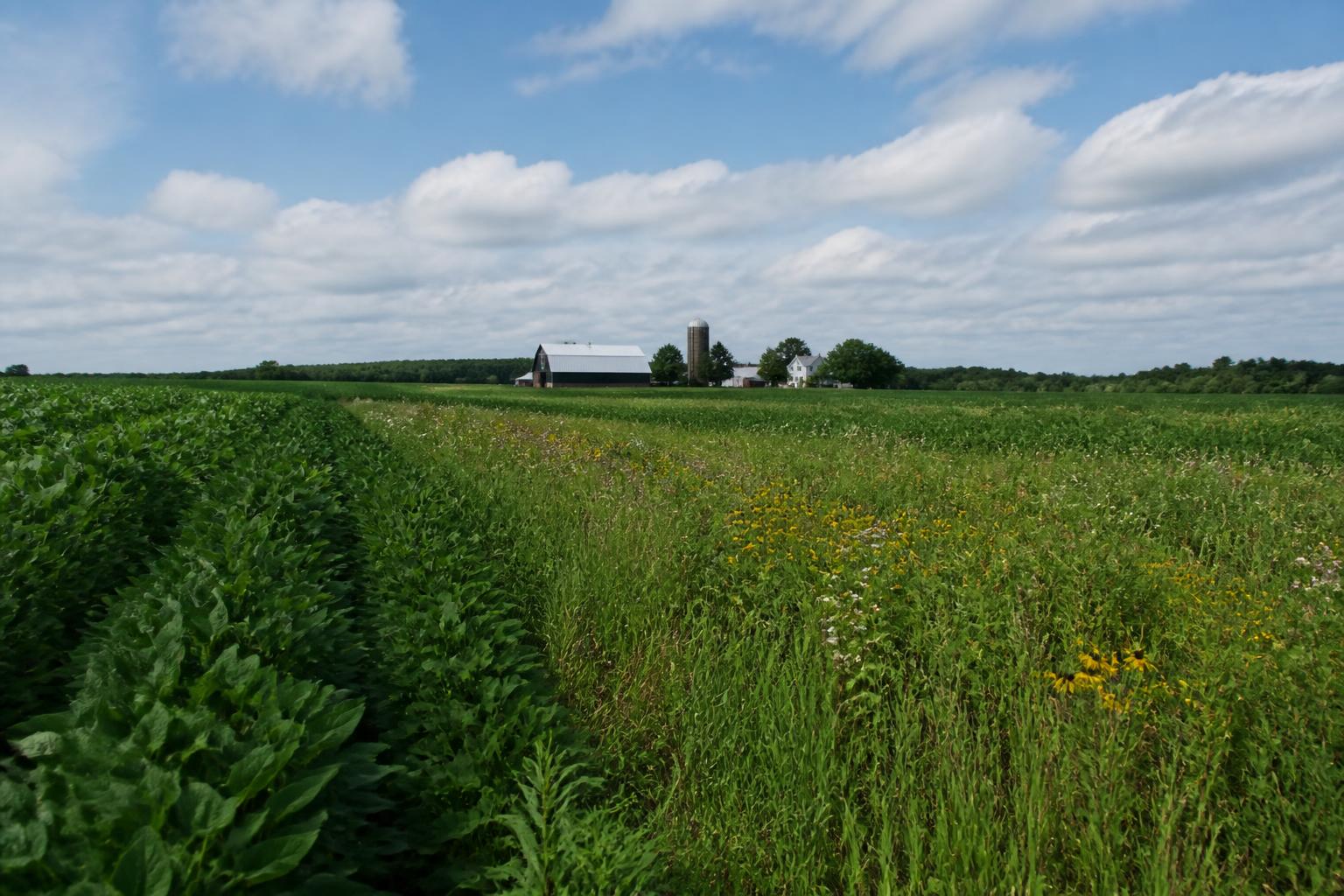
Beyond field-level soil health, there is an increased focus on precision conservation. The use of native prairie filter strips at the edges of crop fields is gaining traction as a practical method to trap sediment and nutrients before they reach local waterways. This is particularly relevant in areas where land is hemmed in by expanding development, leaving small and medium-sized farms with limited room to maneuver while still needing to comply with tightening environmental oversight.
These strategies also address ongoing concerns regarding nutrient management, as excess fertilizer and manure runoff remain a challenge for the agricultural community. As regional stakeholders evaluate their mid-summer field challenges and operational shifts, integrating these natural buffers serves both as a protection for local water quality and a proactive approach to potential future regulatory requirements.
What it means for the market
For Wisconsin producers and agribusinesses, the shift toward conservation-minded farming is moving from a niche pursuit to a standard operational component. While these practices require an initial investment in time and seed, they offer a hedge against the volatile weather patterns that have disrupted regional yields in recent years. Focusing on land and water health not only safeguards the physical assets of the farm but also positions producers to navigate the evolving demands of the supply chain and environmental stewardship in the Badger State.
Comments
No comments yet - be the first to share your take.