
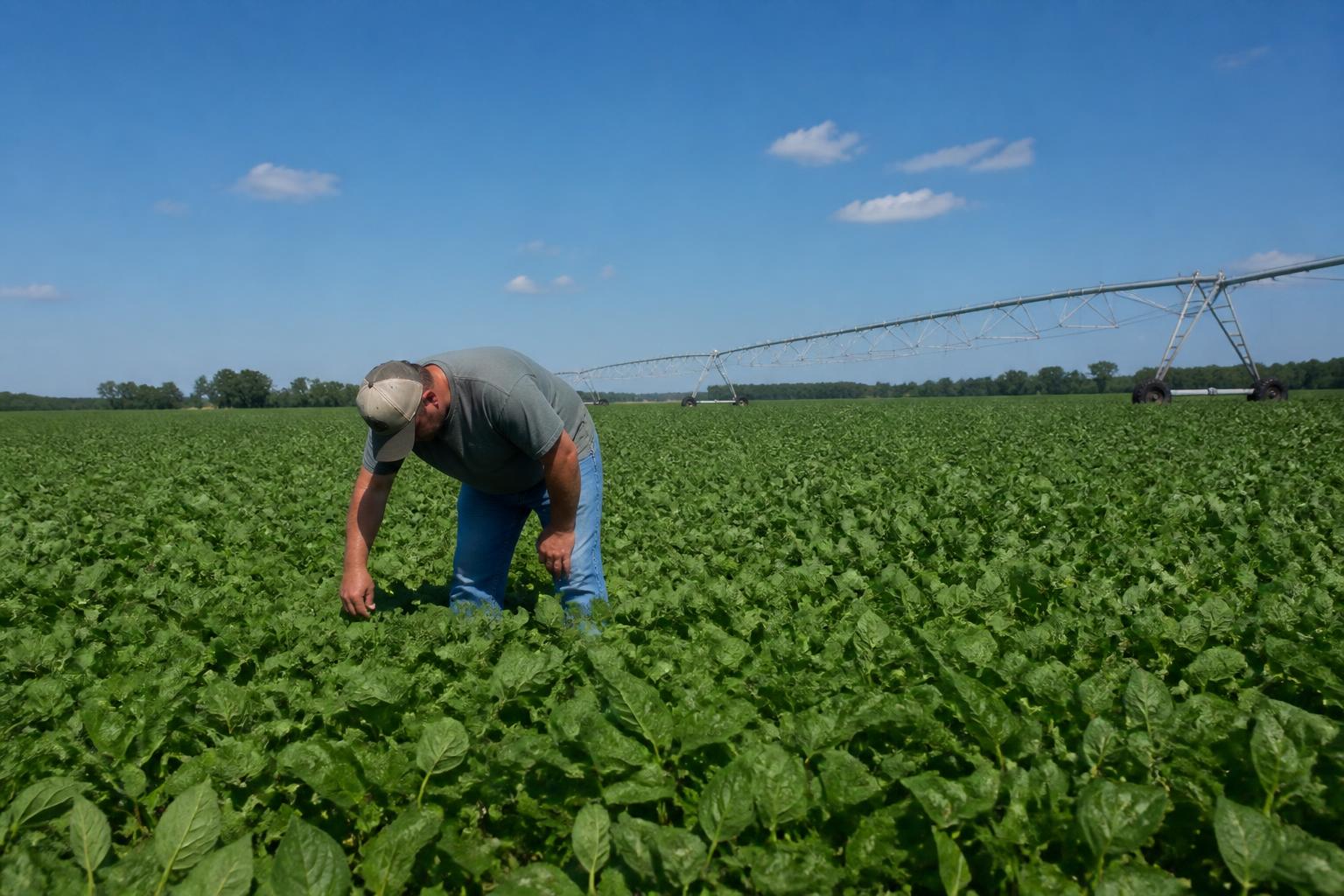
South Carolina producers are currently grappling with an exceptionally demanding growing season as extreme temperatures persist across the state. The intensity of this summer's heat has placed a significant burden on staple crops, complicating standard protection programs and forcing many growers to re-evaluate their mid-season management priorities. From the coastal plains to the Piedmont, maintaining yield potential during periods of prolonged thermal stress has become a primary objective for agribusinesses and farm operations alike.
For those managing input costs, the current market climate underscores the importance of operational efficiency. With rising expenses impacting farm margins, producers are looking closely at how to optimize their crop management strategies while navigating high-pressure conditions. In some instances, the focus has shifted toward integrating more resilient crop varieties and precision tools designed to mitigate environmental impact, helping to safeguard investments as the season progresses toward the final harvest windows.
Adapting to Escalating Environmental Pressures
The persistence of high heat not only strains plant physiology but often requires more nuanced approaches to chemical and nutrient applications. Farmers throughout South Carolina are finding that timing and formulation have become critical variables. Effective ag-logistics planning continues to play a vital role, as ensuring that essential inputs reach the field during optimal application windows can be the difference between successful protection and increased crop vulnerability. The intersection of logistics and field-level strategy remains a cornerstone of navigating these challenging summer months.
What it means for the market
For the broader agricultural community, these extreme conditions highlight the necessity of balancing aggressive crop protection with long-term cost management. As local operations continue to monitor soil moisture and plant health, the demand for both robust inputs and reliable transportation services remains elevated. Moving forward, the industry is increasingly focused on technical resilience, with growers likely to continue prioritizing products that offer stability under heat-stressed conditions as they navigate the remainder of the season.
Comments
No comments yet - be the first to share your take.