
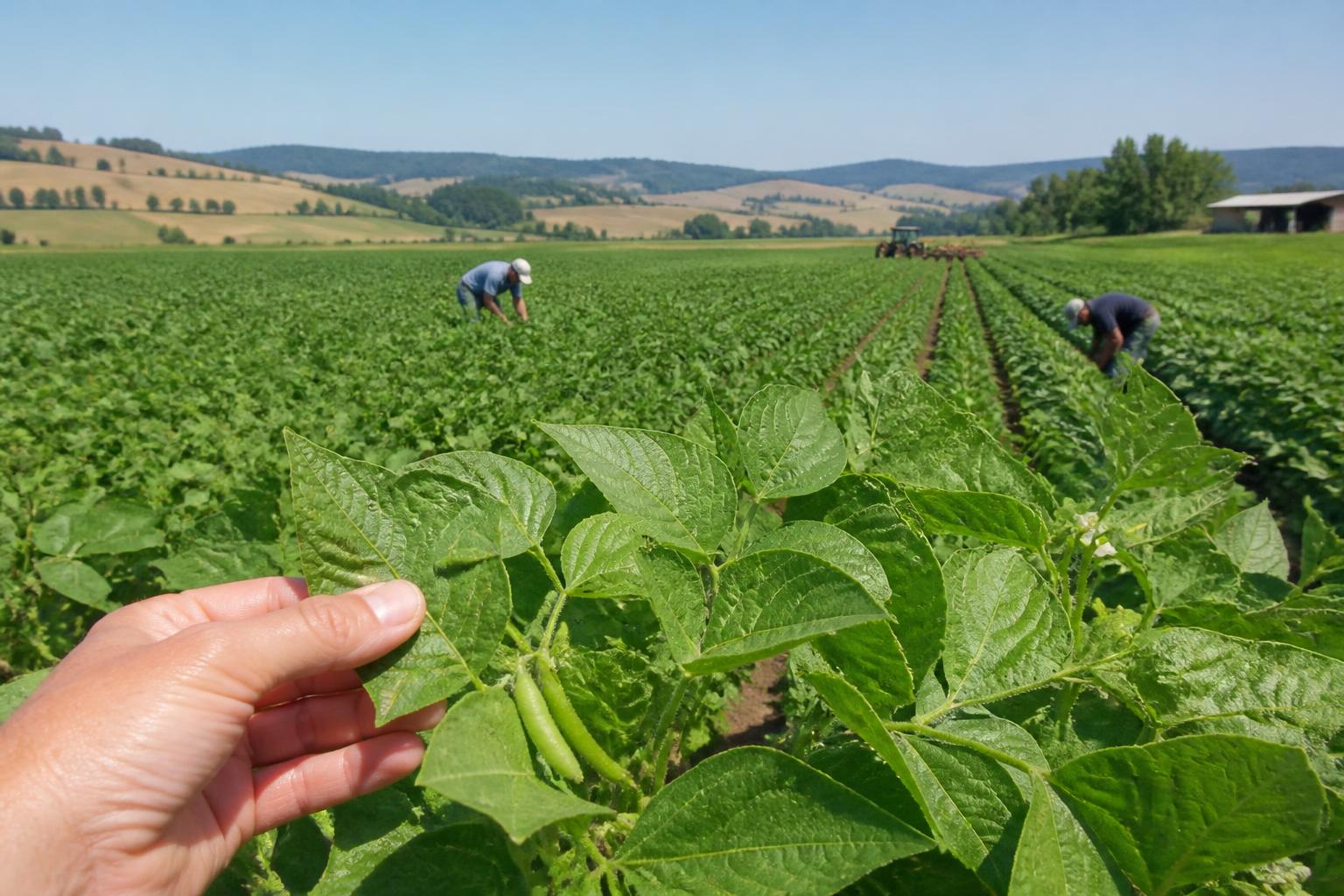
Oregon agricultural producers are navigating a period of increased scrutiny and strategic shifts regarding crop health and regional biosecurity. With the recent appointment of a new director for the Oregon Integrated Pest Management Center, the state is signaling a renewed emphasis on science-based, sustainable solutions to combat persistent agricultural threats.
Integrated pest management remains a critical pillar for operations looking to manage production costs while complying with evolving environmental standards. As Oregon producers face rising input costs, the ability to effectively target pests without over-reliance on broad-spectrum applications is becoming both an economic and a regulatory necessity. Growers are encouraged to stay connected with local extension services to utilize the latest research-backed strategies for localized crop protection.
Vigilance Against Invasive Threats
Biosecurity measures at the farm level are receiving additional attention following recent regional alerts regarding potential invasive species, including reports of unidentified pests and the arrival of unconfirmed pathogens. These threats have heightened the focus on the safe handling of imported materials. Producers are reminded that the introduction of unsolicited or unverified seeds and plant matter poses a significant risk to the state's diverse agricultural landscape, including the Willamette Valley's specialty crop sectors.
Regulatory and Operational Alignment
Beyond pest management, the broader regulatory climate continues to shape how Oregon agribusinesses operate. From ongoing discussions surrounding land use and potential cropping restrictions to strict enforcement of environmental compliance at the facility level, producers are finding that proactive management is key to navigating the season. For those operating near sensitive riparian zones or high-value gardening corridors, maintaining rigorous internal oversight is essential to avoid costly setbacks.
What it means for the market
The convergence of professionalized pest management leadership and heightened biosecurity awareness suggests a shift toward more specialized, precision-based agricultural practices in Oregon. For grain handlers, input buyers, and field managers, this means prioritizing vetted, high-quality supplies and maintaining strict adherence to state monitoring guidelines. Investing in these practices today helps shield operations from the risk of sudden, restrictive mandates, ultimately fostering a more resilient market environment for regional growers.
Comments
No comments yet - be the first to share your take.