
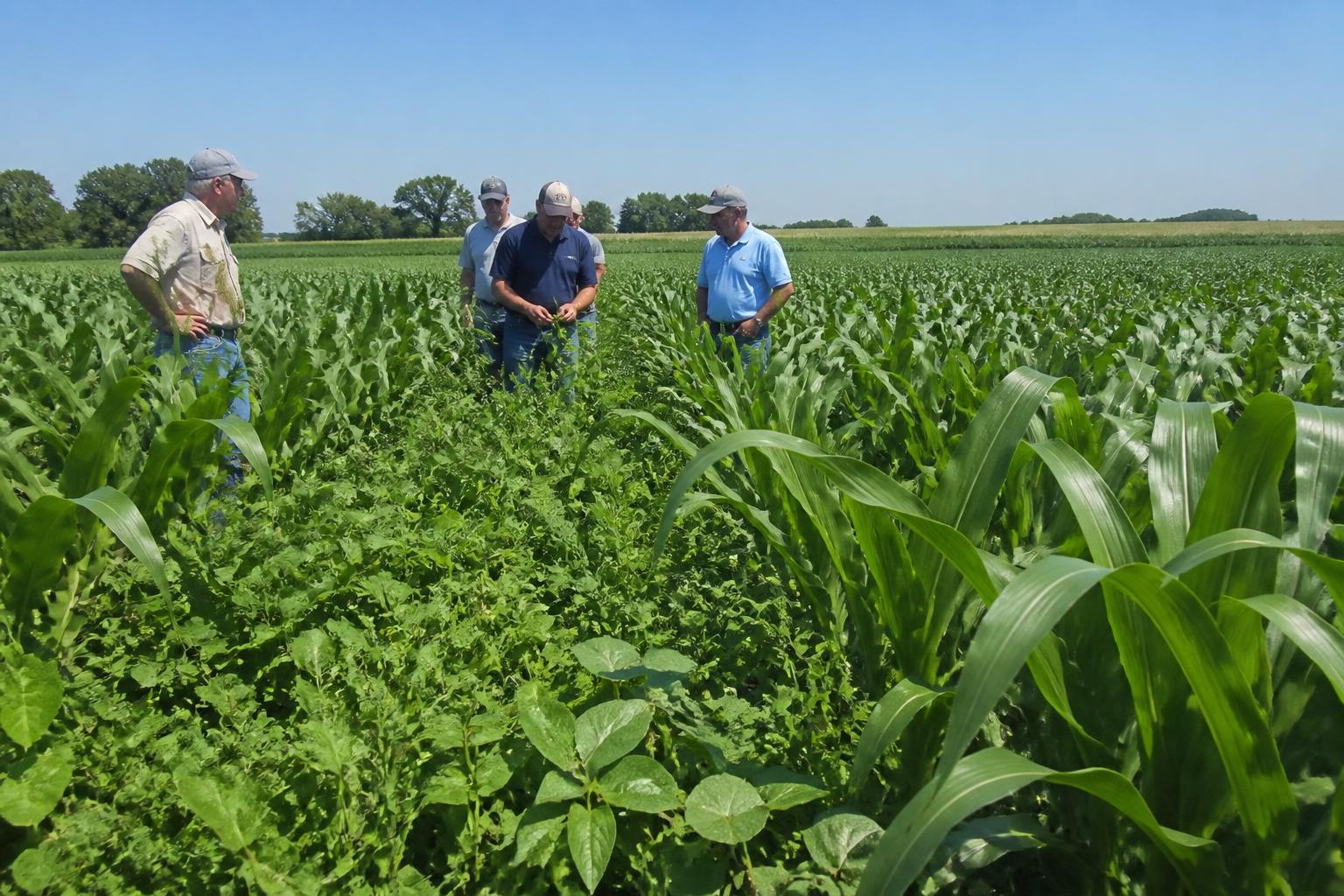
Mid-summer in Ohio brings a critical period for field maintenance, where the focus shifts toward maintaining crop health and maximizing yield potential. For many producers, this includes vigilant monitoring of encroaching weeds like foxtail and refining nitrogen management strategies to support consistent crop development.
Effective weed suppression remains a priority as the season heats up. With consistent field scouting, farmers are navigating how to address resistant species without overextending resources. For those practicing no-till, integrating cover crops as a sustainable nitrogen source is becoming a standard conversation in optimizing overall field inputs. Optimizing your field efficiency during these peak growth weeks can pay dividends as we move toward the final stretch of the season.
Refining Input and Operational Decisions
As the agricultural landscape in Ohio evolves, many operations are reassessing their planting compositions. Reports suggest shifts in intended corn acreage and wheat production, prompting growers to stay lean and responsive to market signals. This recalibration requires a firm grasp on both agronomic inputs and the logistical challenges that define harvest preparation.
Recent developments in regulatory environments, such as updates regarding chemical labeling, underscore the importance of staying informed on the legal framework impacting your daily operations. Whether you are adjusting your application schedule or enrolling in government programs, staying proactive helps mitigate the risks of a compressed harvest window. Managing your infrastructure ahead of the late-season rush remains essential for maintaining margins.
What it means for the market
For Ohio agribusinesses and independent growers, the combination of cautious planting trends and the need for rigorous crop protection means that early planning is more valuable than ever. By focusing on efficient nutrient application and staying ahead of weed pressures now, farmers can better position their operations to handle the operational bottlenecks that frequently emerge in the late summer and early fall.
Comments
No comments yet - be the first to share your take.