
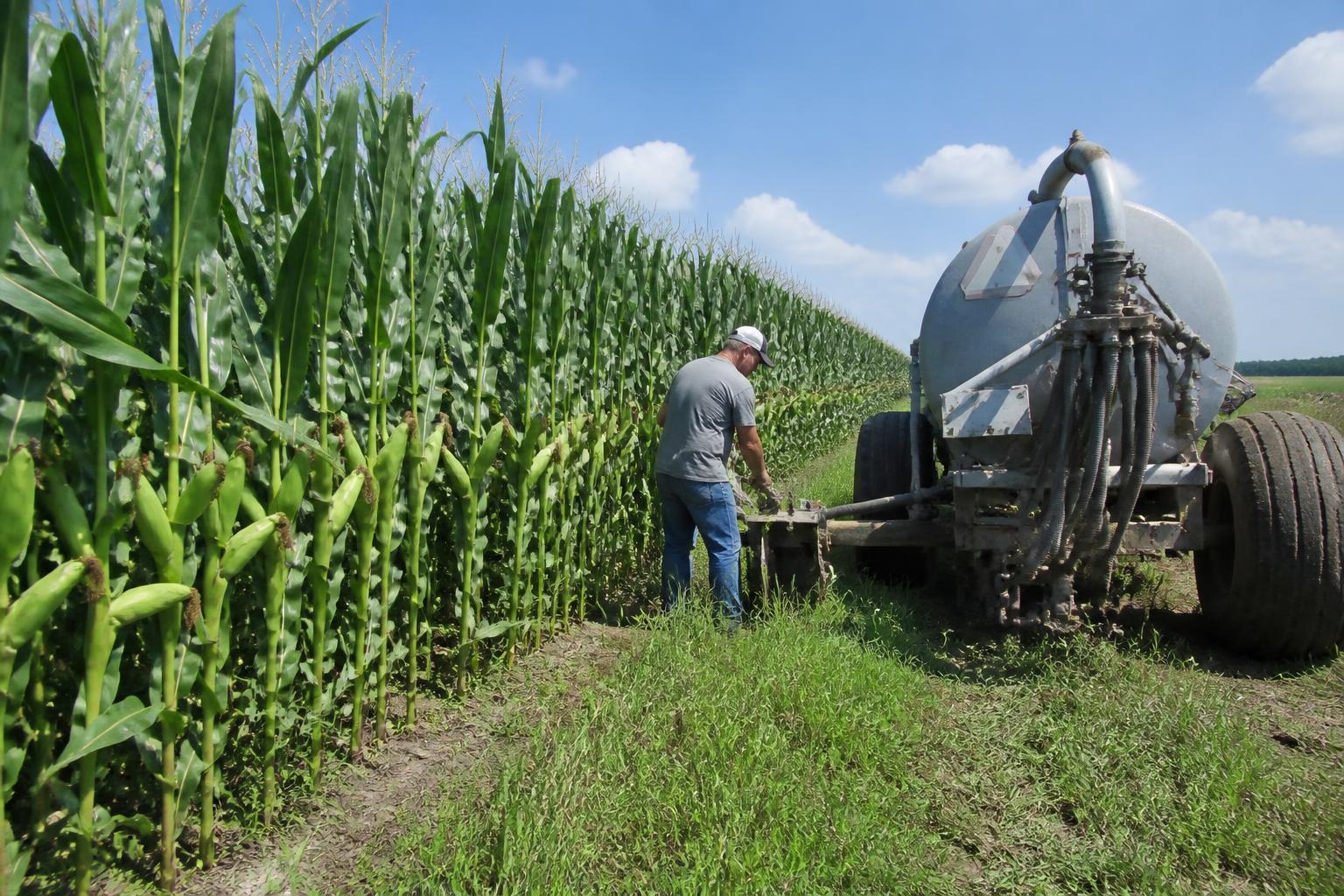
As the mid-summer sun beats down on the fields, Ohio growers are shifting their attention from the challenges of earlier planting seasons to the logistical realities of crop development and input efficiency. For many, this time of year often involves navigating tight windows for field maintenance and preparing for the eventual transition into the fall harvest period.
With logistical hurdles still impacting grain movement across the state, producers are increasingly looking at ways to streamline operations. Efficient management of crop residue and strategic nutrient application, including innovative manure sidedress methods, has shown promise in helping to reduce overall fertilizer costs while potentially improving yield outcomes in various regions across the Buckeye State.
Refining Input Strategies
The economic landscape for Ohio agribusinesses remains dynamic. As producers evaluate their current fertilizer and nutrient plans, the focus is shifting toward precision applications that account for variable soil conditions. These practices are not only critical for bottom-line margins but are increasingly relevant as growers work to balance environmental stewardship with high-yield targets.
Adapting to Seasonal Logistics
Logistics remain a cornerstone of profitability for regional elevators and haulers. Following a period where wet conditions and heavy residue complicated early-season fieldwork, the industry is now preparing for the demands of the upcoming storage and transport season. Monitoring localized road restrictions and anticipating bottlenecks near major shipping corridors remains a priority for those moving grain to terminal markets.
For growers and handlers alike, staying informed about mid-summer market pressures is essential. Keeping a close watch on regional grain storage availability and carrier capacity can help mitigate the risk of delivery delays once the harvest season reaches its peak intensity.
What it means for the market
The current environment highlights the need for adaptability. By integrating more efficient nutrient management practices and maintaining a proactive stance on logistics planning, Ohio farmers and ag-service providers can better position themselves to navigate the volatility of the mid-summer market and prepare for a successful harvest.
Comments
No comments yet - be the first to share your take.