
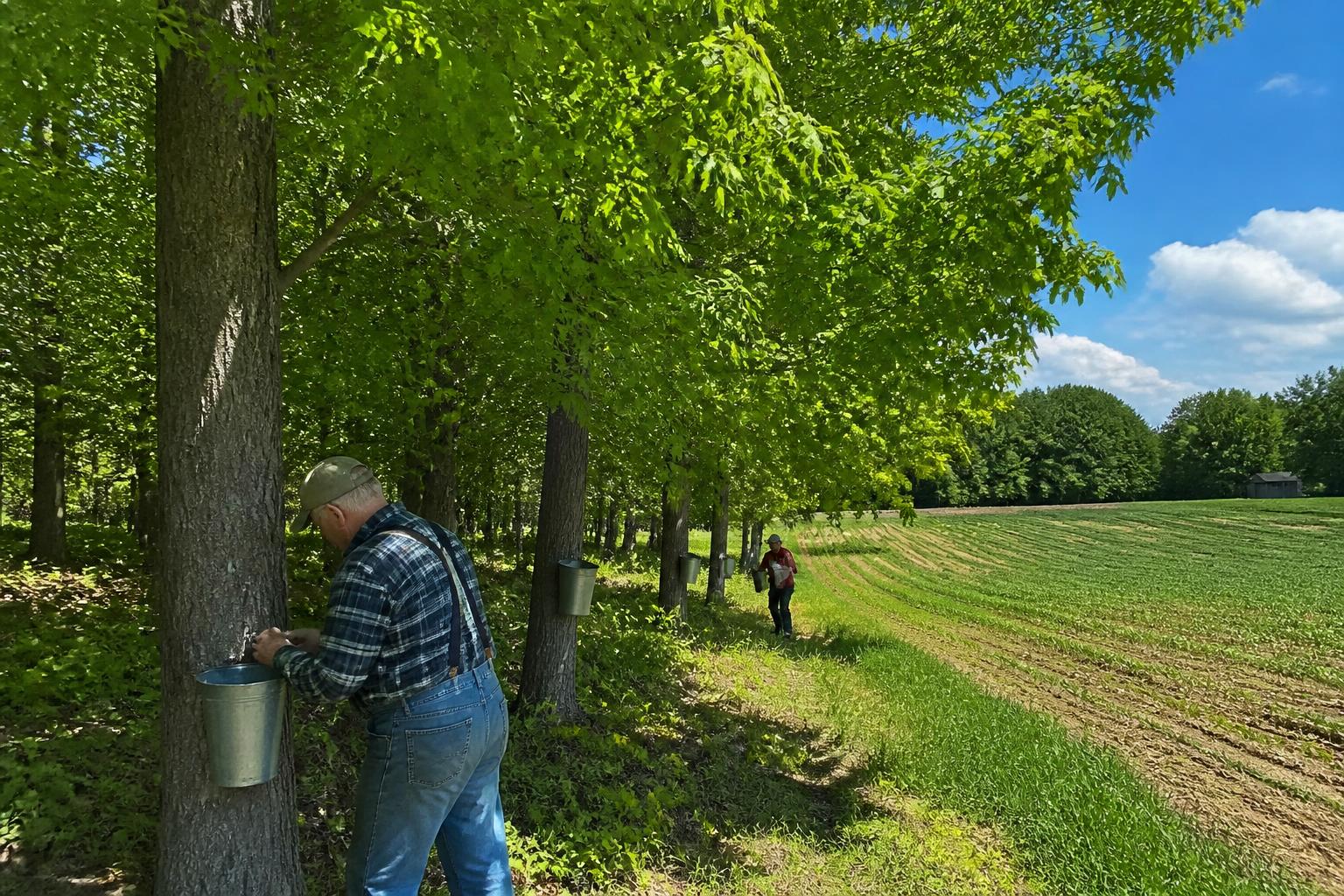
As the summer season reaches its peak in New Hampshire, growers across the state are navigating the complexities of modern agricultural management. From the southern valleys to the northern reaches, field operations remain focused on maximizing efficiency while addressing the diverse challenges of the current growing environment. For many, this involves a renewed emphasis on balancing traditional practices with emerging scientific approaches to weed and pest control.
Research initiatives led by regional institutions continue to explore how biodiversity within the field can serve as a primary line of defense. Recent studies indicate that integrating specific flowering plants can effectively attract hover flies, which are known to aid in natural pest suppression. Adopting such strategies for crop diversification is becoming a critical tool for producers aiming to maintain yield quality without increasing reliance on synthetic interventions.
Building Resilience in Local Food Systems
Sustainability is not merely limited to agronomic practices but also extends to the structural health of New Hampshire's agricultural community. Efforts to streamline local food systems are helping producers move products from field to consumer more effectively. This shift often involves scaling protected agriculture and adopting automation to help farms remain competitive in a changing market landscape.
Furthermore, the focus on sustainable land management remains a priority, particularly as farmers balance the need for nutrient application with concerns over environmental contaminants like PFAS. Maintaining soil health while ensuring safe fertilization practices is a primary concern for long-term land viability in the state.
Operational Planning for the Season Ahead
As we look toward the late-summer harvest, the importance of operational planning cannot be overstated. Farmers who have integrated diversified revenue streams, such as those seen in various summer grain and produce markets, are typically better positioned to absorb fluctuations in input costs and labor availability. Consistent monitoring of local market trends will be essential as the harvest window draws closer.
What it means for the market
The current landscape in New Hampshire reflects a broader shift toward high-efficiency, lower-impact farming. By utilizing locally-researched pest control methods and focusing on regional food supply stability, growers are creating a more resilient market foundation. For stakeholders, this suggests that prioritizing sustainable, data-backed management strategies will likely provide the best long-term outlook for navigating the remaining summer months and beyond.
Comments
No comments yet - be the first to share your take.