
Navigating Seasonal Production Hurdles
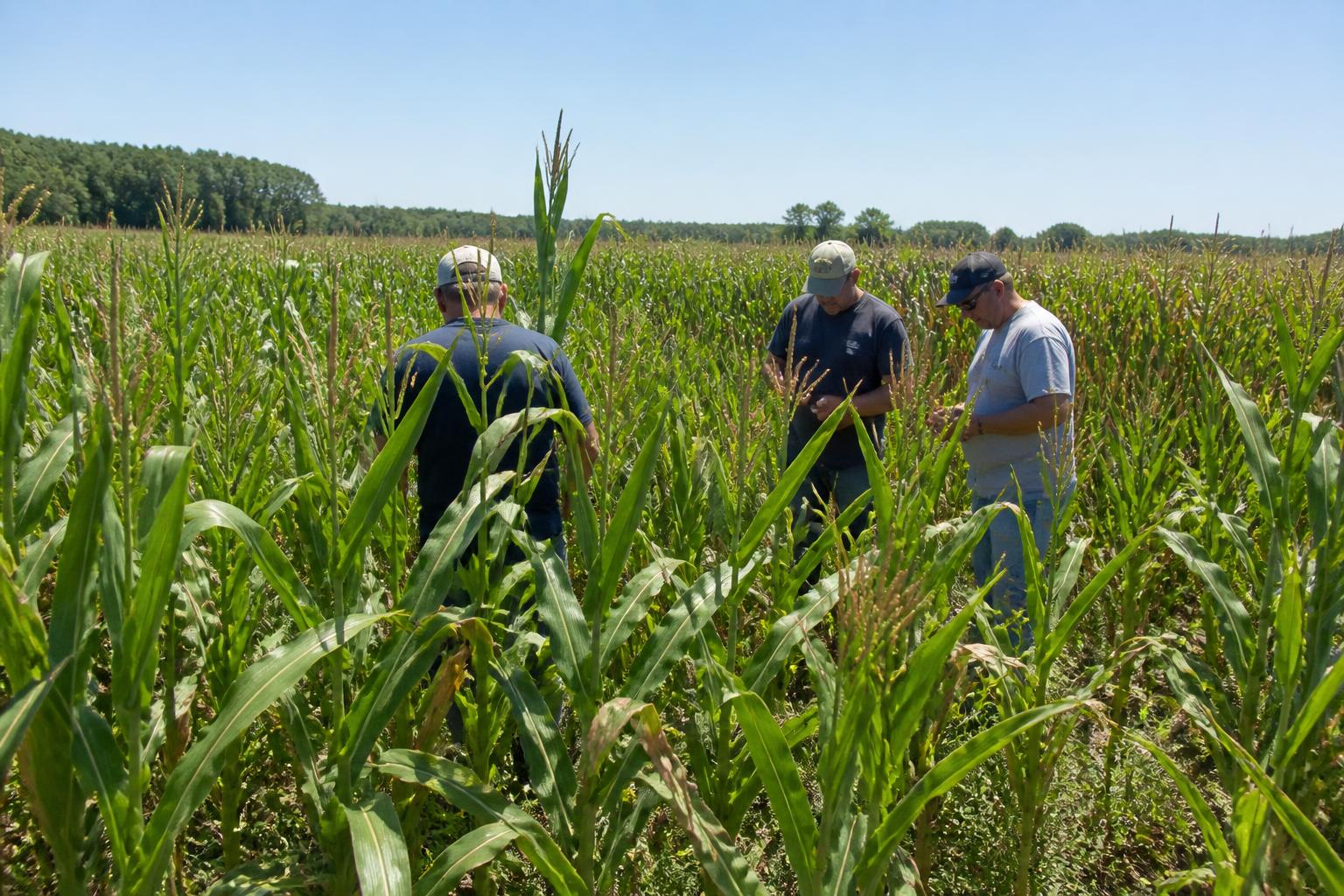
For growers across the Commonwealth, the mid-summer period is often defined by a delicate balance of moisture management and field operations. With recent reports highlighting the strain of severe summer drought conditions, many agricultural operations are finding it difficult to maintain crop consistency. This environmental pressure often compounds the existing strain on regional logistics and supply chain networks, which are essential for moving fresh goods from rural fields to local markets.
Input Stability and Market Realities
The broader agricultural market remains sensitive to external shifts, from global investment trends to localized input costs. As producers look to manage their bottom line, fluctuations in nutrient availability and pricing remain a primary concern. The ability to source inputs efficiently is tied directly to the health of broader infrastructure, as regional growers continue to adapt to changing labor and land-use demands that define the Massachusetts farming landscape.
Strategic Planning Amidst Land-Use Shifts
Maintaining long-term viability requires a proactive approach to both field resilience and resource allocation. As land use evolves, it is increasingly important for agribusinesses to stay informed about regional agricultural policies. Strengthening the connection between producers and reliable transportation networks is critical to minimizing losses during the height of the summer harvest, especially as growers face added pressure from regional environmental goals and shifting policy frameworks.
What it means for the market
For Massachusetts farmers and ag-logistics operators, the current climate necessitates a focus on efficiency. By prioritizing stable input channels and monitoring the impact of seasonal weather on regional transport corridors, businesses can better navigate the complexities of this year's harvest season while positioning themselves for more predictable operations in the months ahead.
Comments
No comments yet - be the first to share your take.