
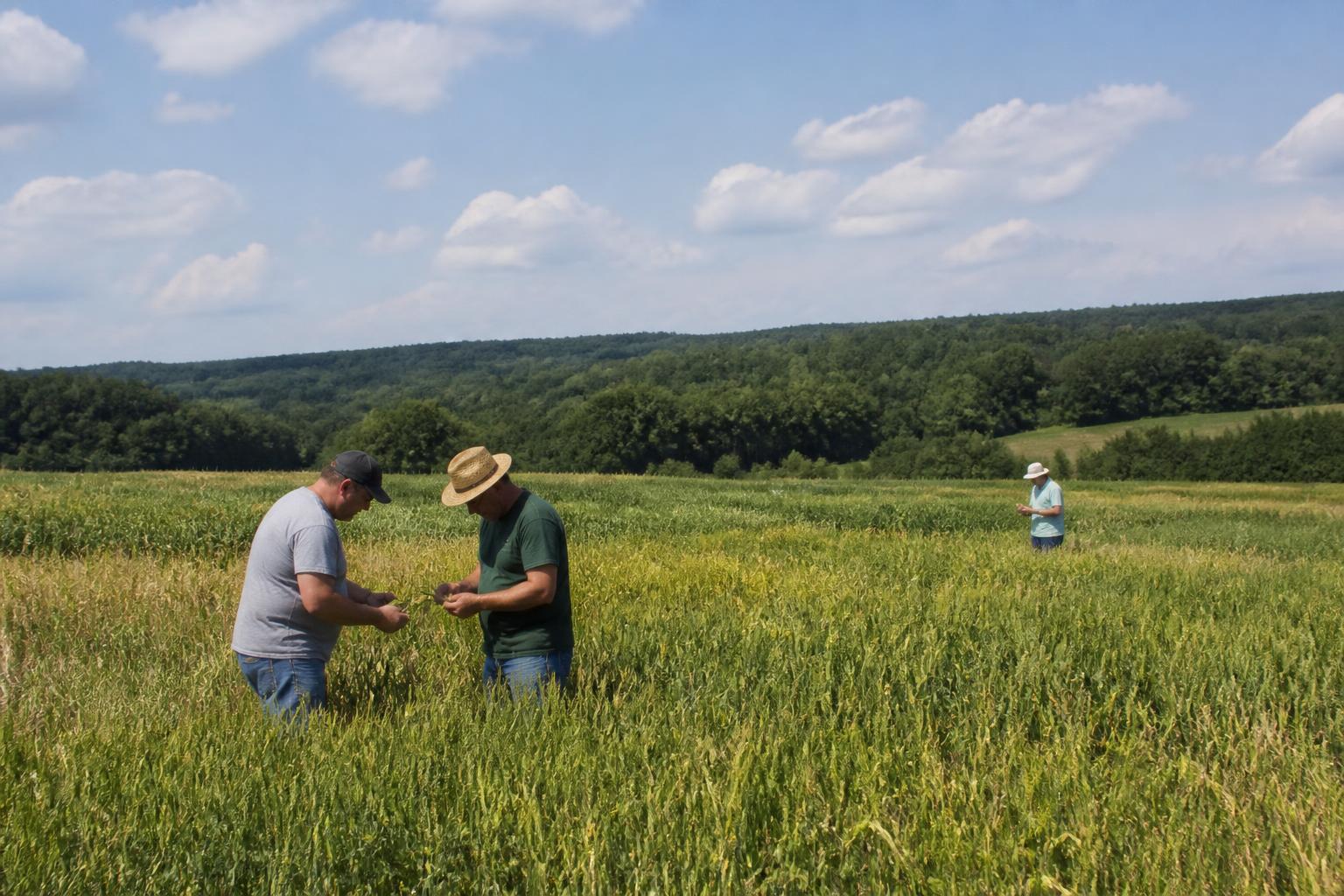
Mid-summer brings a distinct set of operational hurdles for Connecticut agricultural producers. As the state experiences the height of the growing season, farmers are contending with shifting climatic patterns that complicate traditional planning. These environmental pressures often necessitate a flexible approach to navigating summer pressures and regulatory shifts in the field.
Nationally, grain markets have recently struggled to find consistent upward momentum, closing on a mediocre note. For Connecticut producers, this stagnation in global commodity pricing underscores the importance of local supply chain efficiency. When margin compression occurs, regional handlers often focus on optimizing storage and transportation to maintain competitiveness in a challenging environment.
Climate Resilience and Strategic Planning
Adapting to the unique weather landscape in New England remains a top priority. Producers are increasingly investing in soil management and irrigation strategies to offset the impact of unpredictable precipitation levels. Implementing robust field management techniques is essential to protecting yields as the state moves deeper into the summer months, particularly when grain output is sensitive to heat stress.
Logistics and Market Outlook
Logistics in Connecticut continue to be shaped by the state's geography, with efficient transit between rural production hubs and market centers remaining a critical component of the bottom line. As operators monitor recent market volatility, many are looking for ways to streamline their seasonal operations and reduce overhead during the primary growing cycle.
What it means for the market: The convergence of lukewarm national grain performance and localized climatic challenges suggests that Connecticut agribusinesses should prioritize operational lean-ness. By focusing on site-specific resource management and maintaining close ties to local distribution networks, producers can better buffer themselves against the broader market trends that currently define the sector.
Comments
No comments yet - be the first to share your take.