
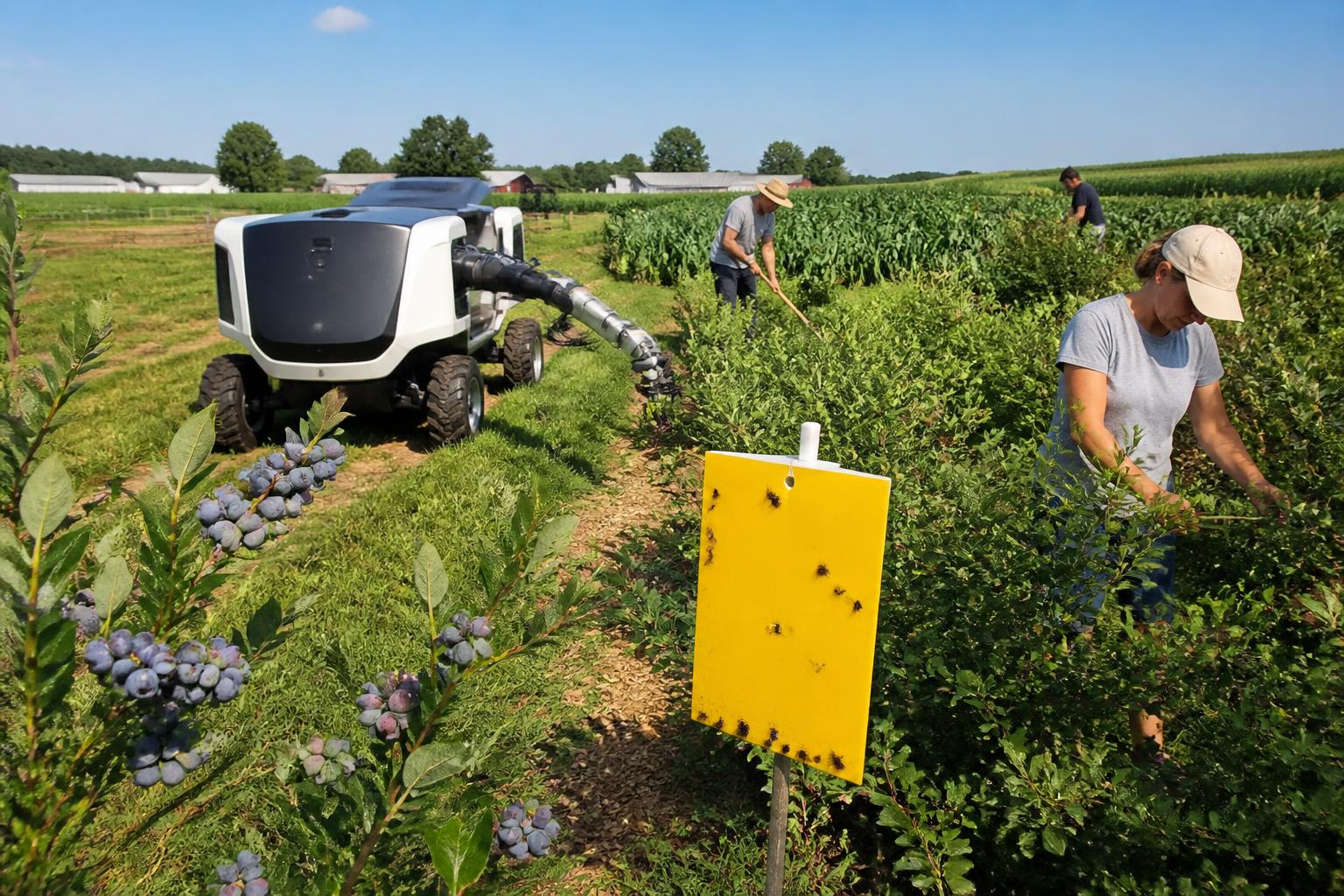
As we move through the heat of the summer season, New Hampshire producers are finding that vigilance in the field is essential for maintaining crop quality. With increased humidity and rising temperatures, the potential for pest outbreaks becomes a primary concern for those managing sustainable pest management strategies across the Seacoast and inland valleys. Growers are being urged to utilize monitoring tools and traps to track potentially destructive invasive species, such as the ash borer, which can threaten local landscapes and orchard health.
Beyond structural pests, fruit producers are closely managing the presence of the Spotted Wing Drosophila. This pest remains a consistent challenge for berry crops, often requiring immediate attention to avoid significant yield losses. Effective mitigation often involves a combination of consistent harvesting practices and localized biological controls. For farmers looking to optimize their protected agriculture efforts, integrating these field monitoring techniques with modern automation tools can help reduce the labor burden during peak summer harvest windows.
Adapting to Seasonal Logistics
The mid-summer window brings its own set of logistical constraints. While some regional farms may be scaling back certain operations, the focus remains on the movement of early harvest goods to local markets. Maintaining equipment and ensuring that input applications are timely is critical, especially when weather conditions fluctuate. As transport networks face typical summer pressures, keeping a close eye on regional supply chains ensures that perishable goods reach their destination while maintaining quality standards.
What it means for the market
For New Hampshire agribusinesses, the current market environment rewards those who prioritize preventative care and data-driven crop protection. By staying ahead of pest cycles and managing resource inputs efficiently, growers can better mitigate the risks of spoilage and maximize the shelf life of their produce. Maintaining a focus on regional sustainability and resilience, even when scaling operations, remains the most viable path for long-term growth in the state's diverse agricultural sector.
Comments
No comments yet - be the first to share your take.