
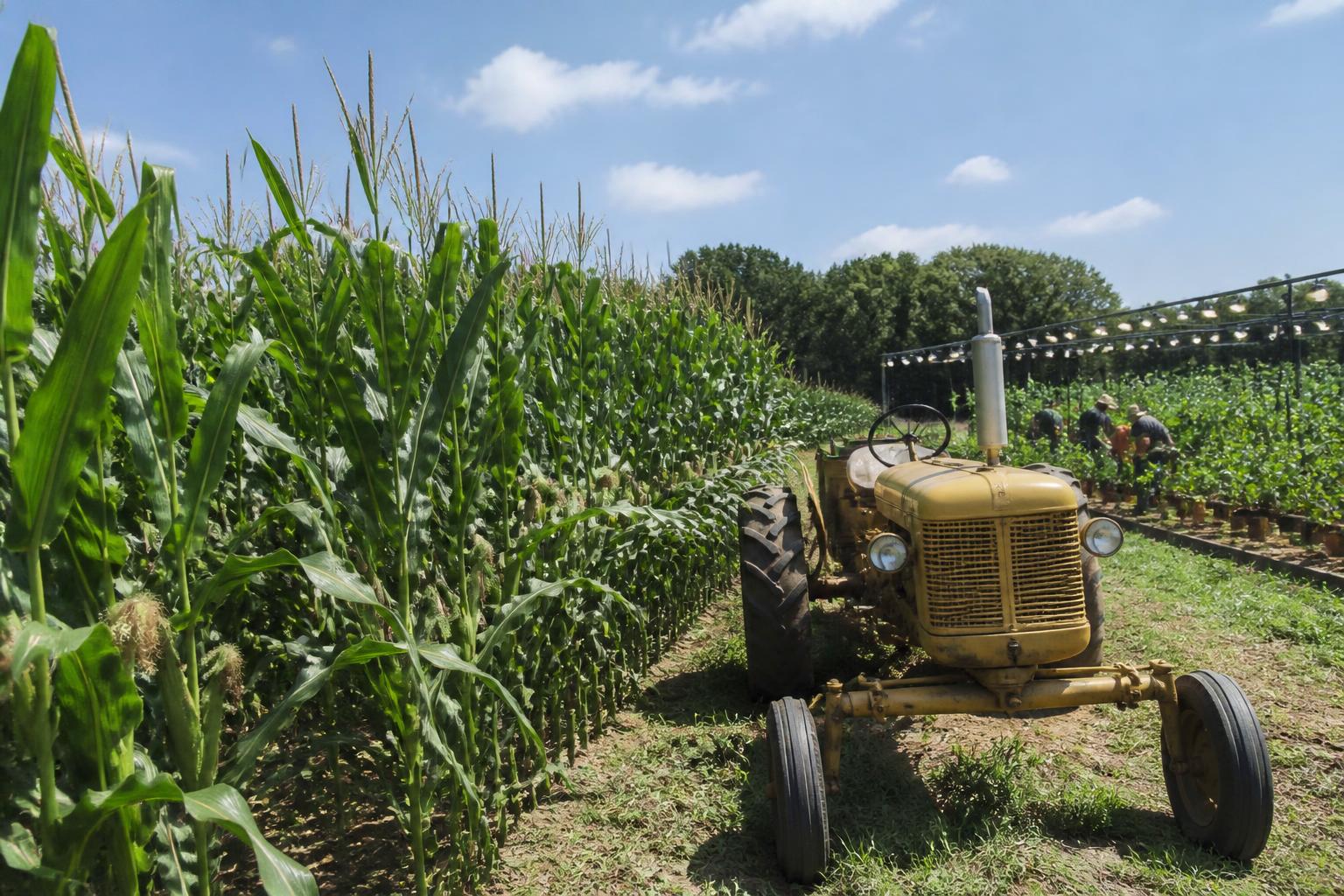
In the heart of the New Jersey growing season, producers across the state are increasingly integrating high-tech solutions to address persistent agronomic challenges. As the summer sun keeps fields active, the focus has shifted toward refining input efficiency and enhancing crop quality through both precision technology and regenerative soil management.
Advancing Weed Control Through Precision Tech
Managing weed pressure without heavy reliance on traditional herbicides is becoming a priority for many regional growers. Recent initiatives, including experimental work out of Rutgers, highlight the potential of laser-powered weed control. By leveraging AI-driven precision, these systems aim to target weeds with high accuracy, potentially reducing chemical input needs while maintaining clean fields. For farmers balancing tight margins in a demanding market, this represents a significant step toward more sustainable and cost-effective management.
Building Sustainability into Specialty Crops
Beyond mechanical innovation, New Jersey producers are exploring diverse strategies to bolster their bottom lines. From the adoption of specialized LED lighting systems for greenhouse operations to ongoing research into silicon-based soil amendments, growers are finding new ways to protect yields against environmental stressors. These methods are essential for navigating shifting agribusiness trends, where consumers and buyers alike are increasingly prioritizing quality and eco-conscious production methods.
Market Outlook and Operational Logistics
As we move through the busiest weeks of the season, logistics remain a critical piece of the puzzle. Whether it is ensuring the timely transport of premium harvest or managing high-value equipment assets, maintaining a secure and efficient supply chain is paramount. Farmers are reminded to keep a close watch on local infrastructure, especially as seasonal logistical hurdles continue to test regional transit routes throughout the summer months.
What it means for the market
For New Jersey agribusinesses, the current trend toward technological adoption is more than just an operational upgrade; it is a long-term strategy for resilience. By investing in tools that reduce chemical dependency and optimize environmental conditions, producers can better position themselves to meet the demands of a diverse and discerning market, ultimately stabilizing their competitive edge as the harvest season progresses.
Comments
No comments yet - be the first to share your take.